

Health care coverage: mental illness: pervasive developmental disorder or autism: public health.
Summary
Existing law provides for the licensure and regulation of health care service plans by the Department of Managed Health Care. A willful violation of these provisions is a crime. Existing law provides for the regulation of health insurers by the Department of Insurance. Existing law requires health care service plan contracts and health insurance policies to provide benefits for specified conditions, including certain mental health conditions. This bill, effective July 1, 2012, would require those health care service plan contracts and health insurance policies, except as specified, to provide coverage for behavioral health treatment, as defined, for pervasive developmental disorder or autism. The bill would provide, however, that no benefits are required to be provided that exceed the essential health benefits that will be required under specified federal law. Because a violation of these provisions with respect to health care service plans would be a crime, the bill would impose a state-mandated local program. These provisions would be inoperative July 1, 2014, and repealed on January 1, 2015. The bill would require the Department of Managed Health Care, in conjunction with the Department of Insurance, to convene an Autism Advisory Task Force by February 1, 2012, to provide assistance to the department on topics related to behavioral health treatment and to develop recommendations relating to the education, training, and experience requirements to secure licensure from the state. The bill would require the department to submit a report of the Task Force to the Governor and specified members of the Legislature by December 31, 2012. Existing law establishes various communicable disease prevention and control programs. Existing law requires the State Department of Public Health to establish a list of reportable diseases and conditions and requires health care providers and laboratories to report cases of HIV infection to the local health officer using patient names and sets guidelines regarding these reports. Existing law requires the local health officers to report unduplicated HIV cases by name to the department. This bill would authorize the department to revise the HIV reporting form without the adoption of a regulation, as specified. Under the Bronzan-McCorquodale Act, the State Department of Mental Health administers the provision of funds to counties for community mental health services programs. Existing law also permits counties to receive, under certain circumstances, Medi-Cal reimbursement for mental health services. Under existing law, negotiated net amounts or rates are used as the cost of services in contracts between the state and the county and between the county and a subprovider of services. Existing law establishes the method for computing negotiated rates. Existing law prohibits the charges for the care and treatment of each patient receiving service from a county mental health program from exceeding the actual or negotiated cost of the services. This bill would only allow the use of negotiated net amounts as the cost of services in a contract between the state and a county and the county and a subprovider of services, and would eliminate the use of negotiated rates. The bill would also specify that the charges for the care and treatment of each patient receiving a service from a county mental health program shall not exceed the actual cost of the service. Existing law establishes the Medi-Cal program, administered by the State Department of Health Care Services, under which basic health care services are provided to qualified low-income persons. The Medi-Cal program is, in part, governed and funded by federal Medicaid provisions. Under existing law, the State Department of Health Care Services promulgates regulations for determining reimbursement of Short-Doyle mental health services allowable under the Medi-Cal program. Existing law requires the State Department of Mental Health and the State Department of Health Care Services to jointly develop a ratesetting methodology for use in the Short-Doyle Medi-Cal system that maximizes federal funding and utilizes, as much as practicable, federal Medicare reimbursement principles. Existing law requires that this ratesetting methodology contain incentives relating to economy and efficiency. The bill would delete the requirement that the ratesetting methodology in the Short-Doyle Medi-Cal system include incentives relating to economy and efficiency. The California Constitution requires the state to reimburse local agencies and school districts for certain costs mandated by the state. Statutory provisions establish procedures for making that reimbursement. This bill would provide that no reimbursement is required by this act for a specified reason.
Bill status
signed
all 5 stages cleared
Introduction
Mar 2011
Committee Review
Sep 2011
Senate Passage
Aug 2011
Assembly Passage
Sep 2011
Signed into Law
Oct 2011
Introduced Mar 31, 2011
Signed Oct 9, 2011
Floor votes · Senate Sep 10, 2011 · Assembly Sep 9, 2011
How they voted
22–4
Passed · 9 other
Total votes 35
Sep 10, 2011
D
Democratic23
95% Yea
R
Republican12
33% Nay
Vote distribution
All Yea
All Nay
Mixed
No data
Full legislative history
Actions timeline
Total actions
44
Key actions
10
Committee
11
Amendments
3
Oct 9, 2011
Signed into law
Approved by the Governor.
legislature
Sep 10, 2011
Senate · Passed
Senate Vote: pass (22-4-9)
senate
Sep 9, 2011
Assembly · Passed
Assembly Vote: pass (45-20-7)
assembly
Sep 9, 2011
Upper · Passed
Assembly amendments concurred in. (Ayes 25. Noes 4. Page 2480.) Ordered to engrossing and enrolling.
upper
Sep 9, 2011
Upper · Passed
From committee: That the Assembly amendments be concurred in. (Ayes 6. Noes 1. Page 2498.)
upper
Sep 9, 2011
Committee
From committee: Be re-referred to Com. on APPR. pursuant to Senate Rule 29.10. (Ayes 4. Noes 0. Page 2457.) Re-referred to Com. on APPR.
upper
Sep 9, 2011
Committee
Re-referred to Com. on RLS. pursuant to Senate Rule 29.10.
upper
Sep 9, 2011
Introduced
In Senate. Concurrence in Assembly amendments pending.
upper
Sep 8, 2011
Lower · Passed
From committee: Do pass as amended. (Ayes 12. Noes 5.) (September 8).
lower
Sep 7, 2011
Committee
From committee: Do pass and re-refer to Com. on APPR. (Ayes 13. Noes 5.) (September 7). Re-referred to Com. on APPR.
lower
Sep 6, 2011
Committee
Re-referred to Coms. on HEALTH and APPR. pursuant to Assembly Rule 77.2.
lower
Aug 31, 2011
Upper · Passed
Action rescinded whereby the bill was read a third time, passed, and ordered to Senate.
upper
Aug 18, 2011
Lower · Passed
From committee: Do pass. Ordered to consent calendar. (Ayes 17. Noes 0.) (August 17).
lower
Jul 6, 2011
Committee
From committee: Do pass and re-refer to Com. on APPR. with recommendation: To consent calendar. (Ayes 18. Noes 0.) (July 5). Re-referred to Com. on APPR.
lower
Jun 13, 2011
Committee
Referred to Com. on HEALTH.
lower
May 23, 2011
Upper · Passed
From committee: Be placed on second reading file pursuant to Senate Rule 28.8.
upper
May 9, 2011
Upper · Passed
From committee: Do pass as amended and re-refer to Com. on APPR. (Ayes 9. Noes 0. Page 886.) (May 4).
upper
Apr 7, 2011
Committee
Referred to Com. on HEALTH.
upper
Mar 31, 2011
Introduced
Introduced. Read first time. To Com. on RLS. for assignment. To print.
upper
1 primary · 17 co-sponsors
Sponsors
Role
Legislator
Party
State
District
P
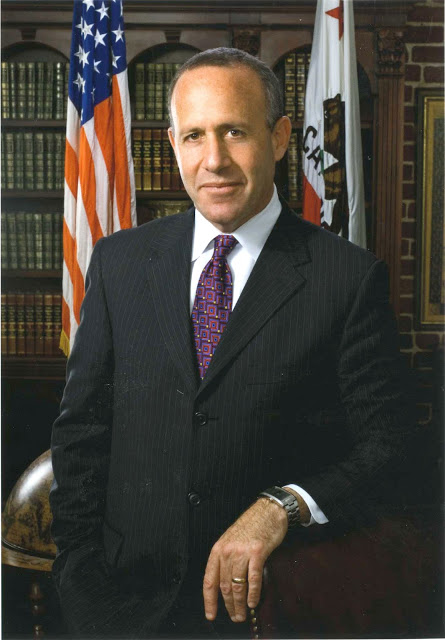
Darrell Steinberg
DDemocratic
Co
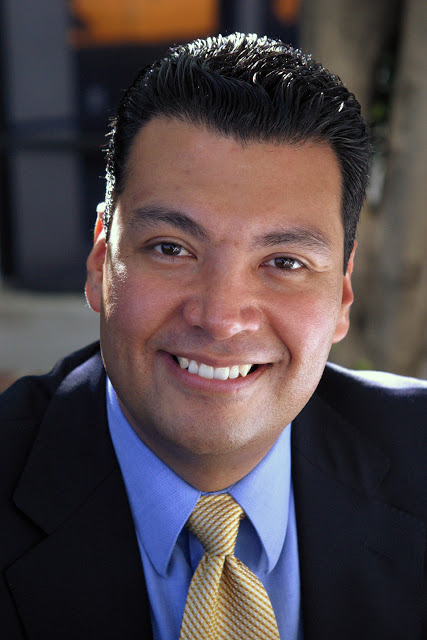
Alex Padilla
DDemocratic
Co
BB
Betsy Butler
DDemocratic
Co
CL
Carol Liu
DDemocratic
Co
DW
Das Williams
DDemocratic
Co
EA
Elaine Alquist
DDemocratic
Co

Ellen Corbett
DDemocratic
Co

Fran Pavley
DDemocratic
Co

Jim Beall
DDemocratic
Co

Lois Wolk
DDemocratic
Co
MY
Mariko Yamada
DDemocratic
Ask Maddy
·
AI policy assistant
Ask Maddy about SB 946
Scope: CA
Hi! I can help you understand SB 946. What would you like to know?
Try one of these
i
Maddy answers using official bill text and legislative records. Always verify before sharing.
Sources cited inline