

Energy: Clean Energy Innovation Program: natural gas surcharge.
Summary
(1) Under the Public Utilities Act, the Public Utilities Commission (PUC) has regulatory authority over public utilities, including electrical corporations. The act requires the PUC to require, until January 1, 2012, an electrical corporation to identify a separate electrical rate component to fund energy efficiency, renewable energy, and research, development, and demonstration programs that enhance system reliability and provide in-state benefits. Existing law requires the rate component collected for the purposes of funding the research, development, and demonstration programs be transferred to the Public Interest Research, Development, and Demonstration Fund. Existing law requires that the moneys collected between January 1, 2007, and January 1, 2012, from the electrical corporations for public interest research, development, and demonstration projects be transferred to the Public Interest Research, Development, and Demonstration Fund and be used for the purposes of the Public Interest Research, Demonstration, and Development Program. This bill would expressly provide that expenditure of moneys collected for public interest research, development, and demonstration before January 1, 2012, would be expended for the Public Interest Research, Demonstration, and Development Program. The bill would require the Energy Commission to establish and administer the California Energy Innovation Program (CEIP) to fund research, development, and demonstration projects that may lead to technological advancement and breakthroughs to overcome those barriers that prevent the achievement of the state's energy policy goals. The bill would require the Energy Commission to convene, no less than twice a year, meetings of the CEIP Coordinating Council consisting of members representing specified entities and would require the council to identify the technological challenges that most warrant funding under the CEIP and opportunities to leverage funding of projects and to make recommendations to avoid funding duplicative projects. The bill would require the Energy Commission to adopt regulations or modify existing regulations to implement the CEIP. The bill would require the Energy Commission to consult with the CEIP Coordinating Council to establish a process for tracking the progress and outcome of funded projects. The bill would require the Energy Commission to consult with the CEIP Coordinating Council and the Treasurer to establish terms that may be imposed as conditions for the receipt of CEIP funding. The bill would require the Energy Commission, no later than March 31 of each year, to prepare and submit to the Legislature an annual report regarding projects funded by the CEIP. The bill would require the PUC to fund mechanisms to finance comprehensive energy efficiency retrofits of specified building sectors. This bill would declare the intent of the Legislature in enacting this act that the public goods charge collected on or before December 31, 2011, to fund research, development, and demonstration shall be expended pursuant to the law in effect January 1, 2012 and the public goods charge collected for this purpose on and after January 1, 2012, shall be expended pursuant to the law in effect on and after the effective date of this act. (2) Existing law requires the Public Utilities Commission to require, until January 1, 2012, an electrical corporation to identify a separate electrical rate component (public goods charge) to fund energy efficiency, renewable energy, and research, development, and demonstration programs that enhance system reliability and provide in-state benefits. Existing law requires that the moneys collected between January 1, 2007, and January 1, 2012, from the electrical corporations for public interest research, development, and demonstration projects be deposited in the Public Interest Research, Development, and Demonstration Fund and be used for the purposes of the Public Interest Research, Development, and Demonstration Program. This bill would expressly provide that public goods charge for public interest research, development, and demonstration projects collected before January 1, 2012, be deposited into the Public Interest Research, Development, and Demonstration Fund and expended for the purposes of the Public Interest Research, Development, and Demonstration Program. The bill would establish the Clean Energy Innovation Program Fund (CEIP Fund) in the State Treasury and would require public goods charge collected on and after January 1, 2012, be deposited into the CEIP Fund and expended by the State Energy Resources Conservation and Development Commission (Energy Commission) , upon appropriation, for specified purposes. The bill would require the Energy Commission, in making awards from the CEIP Fund to minimize overhead expenditures on the award recipients' contracts. The bill would prohibit the Energy Commission from using sole source method or interagency agreement in making awards unless specified conditions are met. (3) Existing law requires the Public Utilities Commission to establish a surcharge on all natural gas consumed in the state to fund certain low-income assistance programs, cost-effective energy efficiency and conservation activities, and public interest research and development. Existing law requires a public utility gas corporation, as defined, to collect the surcharge from natural gas consumers, as specified, and to remit the moneys collected to the State Board of Equalization (state board) on a quarterly basis. Existing law requires persons consuming natural gas delivered by an interstate pipeline to pay the surcharge to the state board. Existing law requires every public utility gas corporation and every person consuming natural gas transported by a provider other than the public utility gas corporation to file a quarterly return with the state board in the form prescribed by the state board. The money from the surcharge is transmitted by the state board to the Treasurer for deposit in the Gas Consumption Surcharge Fund and is continuously appropriated to specified entities, including to the commission, or to an entity designated by the commission, to fund low-income assistance programs, cost-effective energy efficiency and conservation activities, and public interest research and development not adequately provided by the competitive and regulated markets. This bill would require the commission to establish rates that are sufficient to fund the specified low-income assistance programs, cost-effective energy efficiency and conservation activities, and public interest research and development, and would require the surcharges imposed on natural gas customers of an interstate gas pipeline to be equal to the rate component imposed upon the customers of a public utility gas corporation to fund those programs. The bill would require only persons consuming natural gas delivered by an interstate pipeline to pay the surcharge quarterly to the state board and require only those persons consuming natural gas transported by a provider other than the public utility gas corporation to file a quarterly return with the state board. A public utility gas corporation would continue to collect the surcharge to fund the specified programs, but would not remit the moneys collected to the state board. The bill would repeal existing provisions relieving public utility gas corporations from liability to collect the surcharges for specified uncollected and worthless accounts. The bill would make other conforming changes. (4) This bill would not become operative unless AB 724 of the 2011–12 Regular Session of the Legislature is enacted on or before January 1, 2012.
Bill status
passed both
4 of 5 stages cleared
Introduction
Feb 2011
Committee Review
Sep 2011
Senate Passage
May 2011
Assembly Passage
Sep 2011
Governor
Introduced Feb 18, 2011
Last action Aug 24, 2012
Floor votes · Senate May 23, 2011 · Assembly Sep 10, 2011
How they voted
34–0
Passed · 1 other
Total votes 35
May 23, 2011
D
Democratic23
100% Yea
R
Republican12
91% Yea
Vote distribution
All Yea
All Nay
Mixed
No data
Full legislative history
Actions timeline
Total actions
42
Key actions
7
Committee
11
Amendments
3
Sep 10, 2011
Assembly · Passed
Assembly Vote: pass (43-17-12)
assembly
Sep 10, 2011
Introduced
In Senate. Concurrence in Assembly amendments pending.
upper
Sep 9, 2011
Lower · Passed
From committee: Do pass as amended. (Ayes 5. Noes 4.) (September 9).
lower
Sep 9, 2011
Committee
Re-referred to Com. on NAT. RES. pursuant to Assembly Rule 77.2.
lower
Sep 7, 2011
Lower · Passed
From committee: Do pass. (Ayes 6. Noes 3.) (September 7).
lower
Sep 6, 2011
Committee
Re-referred to Com. on NAT. RES. pursuant to Assembly Rule 77.2.
lower
Sep 6, 2011
Committee
Action rescinded whereby the bill was re-referred to Com. on RLS. pursuant to Assembly Rule 77.2.
upper
Aug 29, 2011
Committee
Re-referred to Com. on RLS. pursuant to Assembly Rule 77.2.
lower
Aug 18, 2011
Lower · Passed
From committee: Do pass. Ordered to consent calendar. (Ayes 17. Noes 0.) (August 17).
lower
Jul 11, 2011
Lower · Passed
From committee: Do pass as amended and re-refer to Com. on APPR. (Ayes 13. Noes 0.) (July 5).
lower
Jun 28, 2011
Committee
From committee: Do pass and re-refer to Com. on U. & C. (Ayes 9. Noes 0.) (June 27). Re-referred to Com. on U. & C.
lower
Jun 13, 2011
Committee
Referred to Coms. on NAT. RES. and U. & C.
lower
May 23, 2011
Senate · Passed
Senate Vote: pass (34-0-1)
senate
May 17, 2011
Upper · Passed
From committee: Be placed on second reading file pursuant to Senate Rule 28.8 and ordered to consent calendar.
upper
May 4, 2011
Committee
From committee: Do pass and re-refer to Com. on APPR. with recommendation: To consent calendar. (Ayes 11. Noes 0. Page 858.) (May 3). Re-referred to Com. on APPR.
upper
Mar 10, 2011
Committee
Referred to Com. on E., U., & C.
upper
Feb 18, 2011
Introduced
Introduced. Read first time. To Com. on RLS. for assignment. To print.
upper
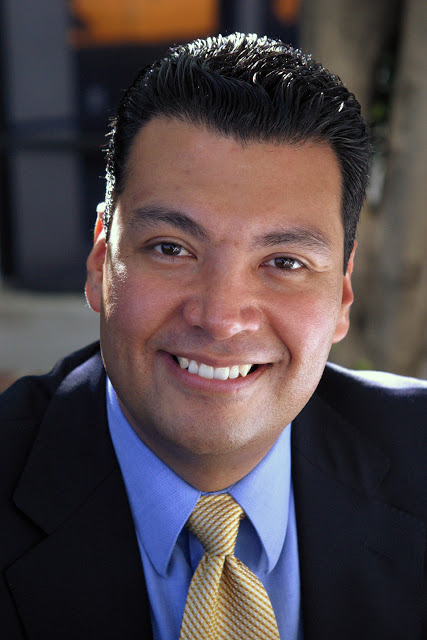
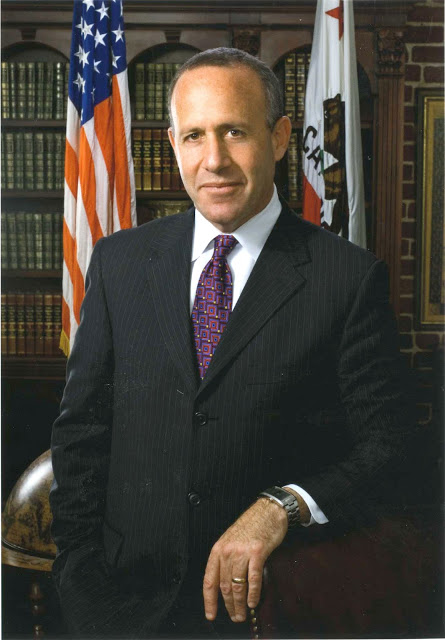
1 primary · 1 co-sponsor
Sponsors
Ask Maddy
·
AI policy assistant
Ask Maddy about SB 870
Scope: CA
Hi! I can help you understand SB 870. What would you like to know?
Try one of these
i
Maddy answers using official bill text and legislative records. Always verify before sharing.
Sources cited inline