

Singleâ€'payer health care coverage.
Summary
Existing law provides for the creation of various programs to provide health care services to persons who have limited incomes and meet various eligibility requirements. These programs include the Healthy Families Program administered by the Managed Risk Medical Insurance Board, and the Medi‑Cal program administered by the State Department of Health Care Services. Existing law provides for the regulation of health care service plans by the Department of Managed Health Care and health insurers by the Department of Insurance. Commencing January 1, 2014, the federal Patient Protection and Affordable Care Act requires every individual to be covered under minimum essential coverage, as specified, and requires every health insurance issuer issuing individual or group health insurance coverage to accept every employer and individual who applies for coverage. Existing law establishes the California Health Benefit Exchange to facilitate the purchase of qualified health plans through the Exchange by qualified individuals and small employers by January 1, 2014. This bill would establish the California Healthcare System to be administered by the newly created California Healthcare Agency under the control of a Healthcare Commissioner appointed by the Governor and subject to confirmation by the Senate. The bill would make all California residents eligible for specified health care benefits under the California Healthcare System, which would, on a single-payer basis, negotiate for or set fees for health care services provided through the system and pay claims for those services. The bill would require the commissioner to seek all necessary waivers, exemptions, agreements, or legislation to allow various existing federal, state, and local health care payments to be paid to the California Healthcare System, which would then assume responsibility for all benefits and services previously paid for with those funds. The bill would create the Healthcare Policy Board to establish policy on medical issues and various other matters relating to the system. The bill would create the Office of Patient Advocacy within the agency to represent the interests of health care consumers relative to the system. The bill would create within the agency the Office of Health Planning to plan for the health care needs of the population, and the Office of Health Care Quality, headed by a chief medical officer, to support the delivery of high-quality care and promote provider and patient satisfaction. The bill would create the Office of Inspector General for the California Healthcare System within the Attorney General's office, which would have various oversight powers. The bill would prohibit health care service plan contracts or health insurance policies from being issued for services covered by the California Healthcare System, subject to appropriation by the Legislature, and would authorize the collection of penalty moneys for deposit into the Healthcare Fund, which the bill would create. The bill would create the Payments Board to administer the finances of the California Healthcare System. The bill would create the California Healthcare Premium Commission (Premium Commission) to determine the cost of the California Healthcare System and to develop a premium structure for the system that complies with specified standards. The bill would require the Premium Commission to recommend a premium structure to the Governor and the Legislature on or before January 1, 2014, and to make a draft recommendation to the Governor, the Legislature, and the public 90 days before submitting its final premium structure recommendation. The bill would specify that only its provisions relating to the Premium Commission would become operative on January 1, 2013, with its remaining provisions becoming operative on the earlier of the date the Secretary of California Health and Human Services notifies the Legislature, as specified, that sufficient funding exists to implement the California Healthcare System and the date the secretary receives the necessary federal waiver under the federal Patient Protection and Affordable Care Act. The bill would extend the application of certain insurance fraud laws to providers of services and products under the system, thereby imposing a state-mandated local program by revising the definition of a crime. The bill would enact other related provisions relative to budgeting, regional entities, federal preemption, subrogation, collective bargaining agreements, compensation of health care providers, conflict of interest, patient grievances, and independent medical review. The California Constitution requires the state to reimburse local agencies and school districts for certain costs mandated by the state. Statutory provisions establish procedures for making that reimbursement. This bill would provide that no reimbursement is required by this act for a specified reason.
Bill status
died
3 of 5 stages cleared
Introduction
Feb 2011
Committee Review
May 2011
Senate Passage
Jan 2012
Assembly Passage
Governor
Introduced Feb 18, 2011
Last action Feb 1, 2012
Floor votes · Senate Jan 26, 2012
How they voted
30–0
Passed · 1 other
Total votes 31
Jan 26, 2012
D
Democratic20
100% Yea
R
Republican11
90% Yea
Vote distribution
All Yea
All Nay
Mixed
No data
Full legislative history
Actions timeline
Total actions
23
Key actions
3
Committee
3
Amendments
2
Jan 26, 2012
Senate · Passed
Senate Vote: pass (30-0-1)
senate
Jan 19, 2012
Upper · Passed
From committee: Do pass as amended. (Ayes 6. Noes 2. Page 2686.) (January 19).
upper
May 19, 2011
Committee
Re-referred to Com. on APPR.
upper
May 11, 2011
Committee
Re-referred to Com. on RLS.
upper
May 9, 2011
Upper · Passed
From committee: Do pass as amended and re-refer to Com. on APPR. (Ayes 5. Noes 3. Page 886.) (May 4).
upper
Mar 10, 2011
Committee
Referred to Coms. on HEALTH and RLS.
upper
Feb 18, 2011
Introduced
Introduced. Read first time. To Com. on RLS. for assignment. To print.
upper
1 primary · 30 co-sponsors
Sponsors
Role
Legislator
Party
State
District
P
ML
Mark Leno
DDemocratic
Co

Bill Monning
DDemocratic
Co
BB
Bob Blumenfield
DDemocratic
Co
BL
Bonnie Lowenthal
DDemocratic
Co
CL
Carol Liu
DDemocratic
Co
CD
Curren D Price
DDemocratic
Co
DW
Das Williams
DDemocratic
Co
EA
Elaine Alquist
DDemocratic
Co
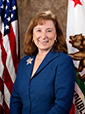
Ellen Corbett
DDemocratic
Co
FM
Fiona Ma
DDemocratic
Co

Fran Pavley
DDemocratic



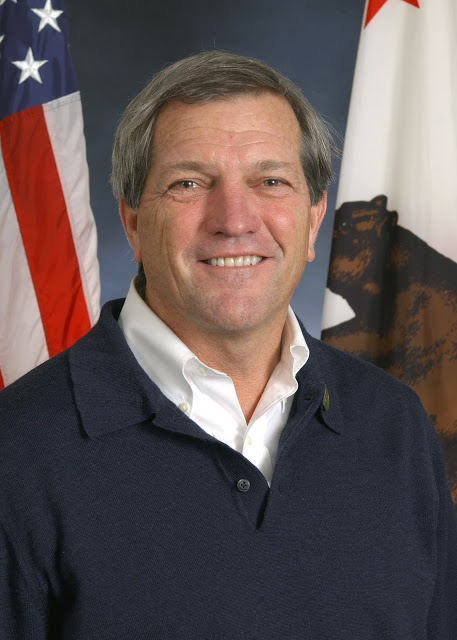
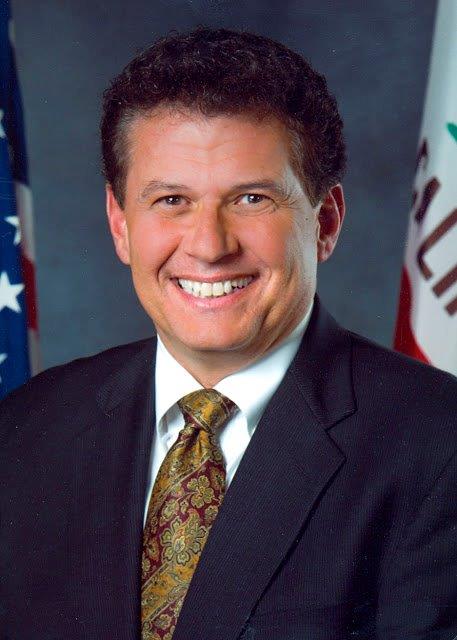

Ask Maddy
·
AI policy assistant
Ask Maddy about SB 810
Scope: CA
Hi! I can help you understand SB 810. What would you like to know?
Try one of these
i
Maddy answers using official bill text and legislative records. Always verify before sharing.
Sources cited inline