

State and local workforce investment boards: funding.
Summary
The federal Workforce Investment Act of 1998 provides for workforce investment activities, including activities in which states may participate. Existing law establishes the California Workforce Investment Board (CWIB) , and specifies that the CWIB is responsible for assisting the Governor in the development, oversight, and continuous improvement of California's workforce investment system. Existing law contains various programs for job training and employment investment, including work incentive programs, as specified, and establishes local workforce investment boards to perform various duties related to the implementation and coordination of local workforce investment activities. This bill would require local workforce investment boards to spend a certain percentage of available federal funds for adults and dislocated workers on workforce training programs in a manner consistent with federal law, as prescribed. Existing law prescribes the duties of the CWIB with regard to the development and implementation of local workforce investment plans, as specified. This bill would authorize the CWIB to raise specified minimum expenditures. This bill would require a local workforce investment board that does not meet the expenditure requirements described above to provide the Employment Development Department with a corrective action plan regarding those expenditures, and would also make that local workforce investment board ineligible to receive certain discretionary funding. Because the bill imposes new duties on local government workforce investment boards, it would impose a state-mandated local program. The California Constitution requires the state to reimburse local agencies and school districts for certain costs mandated by the state. Statutory provisions establish procedures for making that reimbursement. This bill would provide that no reimbursement shall be made pursuant to these statutory provisions for costs mandated by the state pursuant to this act, but would recognize that local agencies and school districts may pursue any available remedies to seek reimbursement for these costs.
Bill status
failed
3 of 5 stages cleared
Introduction
Feb 2011
Committee Review
Aug 2011
Senate Passage
Jun 2011
Assembly Passage
Governor
Introduced Feb 18, 2011
Last action Jun 15, 2012
Floor votes · Senate Jun 1, 2011
How they voted
34–3
Passed · 2 other
Total votes 39
Jun 1, 2011
D
Democratic24
83% Yea
R
Republican15
93% Yea
Vote distribution
All Yea
All Nay
Mixed
No data
Full legislative history
Actions timeline
Total actions
21
Key actions
2
Committee
7
Aug 25, 2011
Committee
Set, second hearing. Failed passage in committee.
lower
Aug 17, 2011
Committee
Set, first hearing. Referred to APPR. suspense file.
lower
Jun 23, 2011
Committee
From committee: Do pass and re-refer to Com. on APPR. (Ayes 5. Noes 1.) (June 22). Re-referred to Com. on APPR.
lower
Jun 9, 2011
Committee
Referred to Com. on L. & E.
lower
Jun 1, 2011
Senate · Passed
Senate Vote: pass (34-3-2)
senate
May 26, 2011
Upper · Passed
From committee: Do pass. (Ayes 9. Noes 0. Page 1122.) (May 26).
upper
Apr 27, 2011
Committee
From committee: Do pass and re-refer to Com. on APPR. (Ayes 6. Noes 0. Page 766.) (April 27). Re-referred to Com. on APPR.
upper
Mar 10, 2011
Committee
Referred to Com. on L. & I.R.
upper
Feb 18, 2011
Introduced
Introduced. Read first time. To Com. on RLS. for assignment. To print.
upper
1 primary · 0 co-sponsors
Sponsors
Role
Legislator
Party
State
District
P
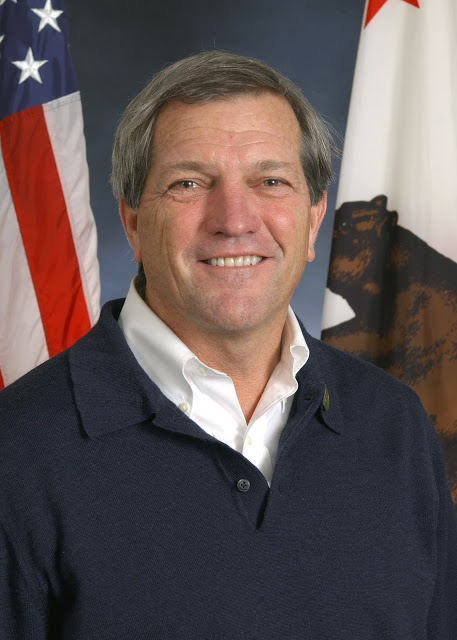
Mark DeSaulnier
DDemocratic
Ask Maddy
·
AI policy assistant
Ask Maddy about SB 776
Scope: CA
Hi! I can help you understand SB 776. What would you like to know?
Try one of these
i
Maddy answers using official bill text and legislative records. Always verify before sharing.
Sources cited inline