

Postgovernment employment: restrictions.
Summary
The Political Reform Act of 1974 prohibits, for a period of one year after the official leaves his or her position, elected and other specified local officials who held positions with a local government agency, as defined, from acting as agents or attorneys for, or otherwise representing, for compensation, any other person, by appearing before, or communicating with, that local government agency, or any committee, subcommittee, or present member of that local government agency, or any officer or employee of the local government agency, if the appearance or communication is made for the purpose of influencing administrative or legislative action, as specified, or influencing any action or proceeding involving the issuance, amendment, awarding, or revocation of a permit, license, grant, or contract, or the sale or purchase of goods or property. This bill, in addition, would apply this prohibition to other public officials serving as members of local governing boards or commissions with decisionmaking authority. Existing law makes a knowing or willful violation of the Political Reform Act of 1974 a misdemeanor and subjects offenders to criminal penalties. This bill would impose a state-mandated local program by creating an additional crime. The California Constitution requires the state to reimburse local agencies and school districts for certain costs mandated by the state. Statutory provisions establish procedures for making that reimbursement. This bill would provide that no reimbursement is required by this act for a specified reason. The Political Reform Act of 1974, an initiative measure, provides that the Legislature may amend the act to further the act's purposes upon a 23 vote of each house and compliance with specified procedural requirements. This bill would declare that it furthers the purposes of the act.
Bill status
passed
3 of 5 stages cleared
Introduction
Dec 2010
Committee Review
Aug 2012
Senate Passage
Jan 2012
Assembly Passage
Governor
Introduced Dec 6, 2010
Last action Aug 16, 2012
Floor votes · Senate Jan 26, 2012
How they voted
33–0
Passed · 2 other
Total votes 35
Jan 26, 2012
D
Democratic23
100% Yea
R
Republican12
83% Yea
Vote distribution
All Yea
All Nay
Mixed
No data
Full legislative history
Actions timeline
Total actions
22
Key actions
5
Committee
6
Amendments
2
Aug 16, 2012
Lower · Passed
Set, second hearing. Held in committee and under submission.
lower
Aug 8, 2012
Committee
Set, first hearing. Referred to APPR. suspense file.
lower
Jun 26, 2012
Lower · Passed
From committee: Do pass as amended and re-refer to Com. on APPR. with recommendation: To consent calendar. (Ayes 7. Noes 0.) (June 19).
lower
Apr 12, 2012
Committee
Referred to Com. on E. & R.
lower
Jan 26, 2012
Senate · Passed
Senate Vote: pass (33-0-2)
senate
Jan 19, 2012
Upper · Passed
From committee: Do pass. (Ayes 8. Noes 0. Page 2685.) (January 19).
upper
Jan 10, 2012
Upper · Passed
From committee: Do pass as amended and re-refer to Com. on APPR. (Ayes 5. Noes 0. Page 2622.) (January 10).
upper
Mar 31, 2011
Committee
Re-referred to Com. on E. & C.A.
upper
Jan 20, 2011
Committee
Referred to Com. on RLS.
upper
Dec 6, 2010
Introduced
Introduced. Read first time. To Com. on RLS. for assignment. To print.
upper
1 primary · 0 co-sponsors
Sponsors
Role
Legislator
Party
State
District
P
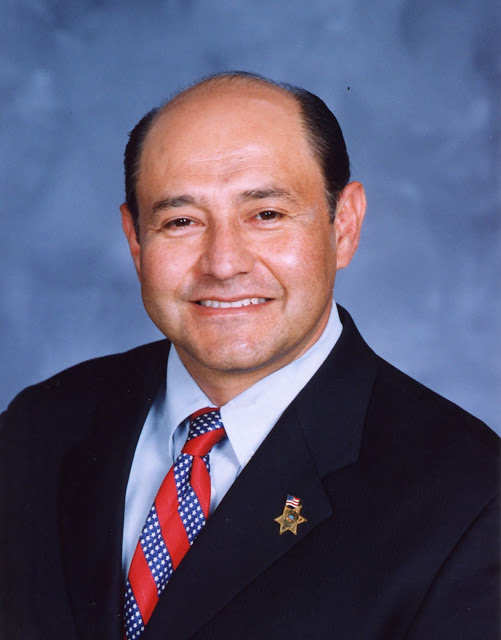
Lou Correa
DDemocratic
Ask Maddy
·
AI policy assistant
Ask Maddy about SB 31
Scope: CA
Hi! I can help you understand SB 31. What would you like to know?
Try one of these
i
Maddy answers using official bill text and legislative records. Always verify before sharing.
Sources cited inline