

Political Reform Act of 1974: advertisements: disclosure.
Summary
The Political Reform Act of 1974 regulates mass mailings, known as slate mailers, that support or oppose multiple candidates or ballot measures for an election. The act requires that each slate mailer identify the slate mailer organization or committee primarily formed to support or oppose one or more ballot measures that is sending the slate mailer, and to contain other specified information in specified formatting. The act requires that each candidate and each ballot measure that has paid to appear in the slate mailer be designated by an asterisk. This bill would instead require that a candidate or ballot measure appearing in the slate mailer be designated by an asterisk if the slate mailer organization or committee primarily formed to support or oppose one or more ballot measures that is sending the slate mailer has received payment to include the candidate or ballot measure in the slate mailer. The bill would also recast the language of the prescribed notice to voters that must be included on a slate mailer. The act also regulates advertisements, which are defined as any general or public advertisement that is authorized and paid for by a person or committee for the purpose supporting or opposing a candidate for elective office or a ballot measure or ballot measures. The act places certain disclosure requirements on advertisements for or against any ballot measure, including that the advertisement disclose any person who has made cumulative contributions of $50,000 or more, as prescribed. The act places more specific disclosure requirements on broadcast or mass mailing advertisements that are paid for by independent expenditures that support or oppose a candidate or ballot measure. This bill would repeal provisions relating to disclosures for advertisements paid for by an independent expenditure and required disclosures of persons who have made cumulative contributions of $50,000 or more. This bill would, instead, impose specified disclosure requirements on radio, television, and video advertisements, and certain mass mailing and print advertisements that support or oppose a candidate or ballot measure or solicit contributions in support of those purposes. The bill would require advertisements that are authorized by a candidate or agent of the candidate to include a statement in which the candidate identifies himself or herself and states that he or she approves the message. The bill would require advertisements that are not authorized by a candidate or an agent of the candidate to disclose, in a prescribed format, the 3 largest identifiable contributors, as defined, of the committee that paid for the advertisement. The bill would require mass mailings or print advertisements that are paid for by certain persons who are not committees to disclose the name of that person as the funder of the mass mailing or print advertisement. The bill would also require that certain committees establish and maintain a committee disclosure Internet Web site, as defined, which discloses the top 5 identifiable contributors and provides a link to the Internet Web site maintained by the Secretary of State for campaign finance disclosures of the committee. The bill would require these advertisements to identify the address for the committee disclosure Internet Web site. Existing law makes a knowing or willful violation of the Political Reform Act of 1974 a misdemeanor and subjects offenders to criminal penalties. This bill would impose a state-mandated local program by creating additional crimes. The California Constitution requires the state to reimburse local agencies and school districts for certain costs mandated by the state. Statutory provisions establish procedures for making that reimbursement. This bill would provide that no reimbursement is required by this act for a specified reason. The Political Reform Act of 1974, an initiative measure, provides that the Legislature may amend the act to further the act's purposes upon a 23 vote of each house and compliance with specified procedural requirements. This bill would declare that it furthers the purposes of the act.
Bill status
failed
2 of 4 stages cleared
Introduction
Feb 2011
Committee Review
Jan 2012
Assembly Failed
Jan 2012
Governor
Introduced Feb 18, 2011
Last action Jan 31, 2012
Floor votes · Assembly Jan 31, 2012
How they voted
45–25
Failed · 2 other
Total votes 72
Jan 31, 2012
D
Democratic45
97% Yea
I
Independent1
100% Yea
R
Republican26
92% Nay
Vote distribution
All Yea
All Nay
Mixed
No data
Full legislative history
Actions timeline
Total actions
18
Key actions
3
Committee
10
Jan 31, 2012
Vote failed
Assembly Vote: fail (45-25-2)
assembly
Jan 19, 2012
Lower · Passed
From committee: Do pass. (Ayes 12. Noes 5.) (January 19).
lower
Jan 19, 2012
Committee
In committee: Set, first hearing. Referred to APPR. suspense file.
lower
Jan 19, 2012
Committee
Re-referred to Com. on APPR.
lower
Jan 17, 2012
Committee
Re-referred to Com. on APPR.
lower
Jan 10, 2012
Committee
From committee: Do pass and re-refer to Com. on APPR. (Ayes 5. Noes 0.) (January 9). Re-referred to Com. on APPR.
lower
Jan 4, 2012
Committee
Re-referred to Com. on E. & R.
lower
May 3, 2011
Lower · Passed
In committee: Set, first hearing. Hearing canceled at the request of author.
lower
Apr 27, 2011
Committee
Re-referred to Com. on E. & R.
lower
Mar 17, 2011
Committee
Referred to Com. on E. & R.
lower
Feb 20, 2011
Lower · Passed
From printer. May be heard in committee March 22.
lower
1 primary · 23 co-sponsors
Sponsors
Role
Legislator
Party
State
District
P
JB
Julia Brownley
DDemocratic
Co
BB
Betsy Butler
DDemocratic
Co

Bill Monning
DDemocratic
Co

Bob Wieckowski
DDemocratic
Co
FM
Fiona Ma
DDemocratic
Co

Fran Pavley
DDemocratic
Co
JW
Jared William Huffman
DDemocratic
Co
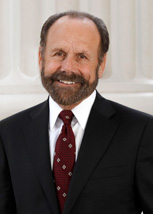
Jerry Hill
DDemocratic
Co

Jim Beall
DDemocratic
Co
JB
Joan Buchanan
DDemocratic
Co

Leland Yee
DDemocratic




Ask Maddy
·
AI policy assistant
Ask Maddy about AB 1148
Scope: CA
Hi! I can help you understand AB 1148. What would you like to know?
Try one of these
i
Maddy answers using official bill text and legislative records. Always verify before sharing.
Sources cited inline