

Utilities: renewable energy resources.
Summary
(1) Under existing law, the Public Utilities Commission (PUC) has regulatory authority over public utilities, including electrical corporations, as defined. Existing law requires the PUC to require the state's 3 largest electrical corporations, Pacific Gas and Electric Company, San Diego Gas and Electric, and Southern California Edison, to identify a separate electrical rate component to fund programs that enhance system reliability and provide in-state benefits. This rate component is a nonbypassable element of local distribution and collected on the basis of usage. Existing PUC resolutions refer to the nonbypassable rate component as a "public goods charge." The public goods charge moneys are collected to support cost-effective energy efficiency and conservation activities, public interest research and development not adequately provided by competitive and regulated markets, and renewable energy resources. The existing Warren-Alquist State Energy Resources Conservation and Development Act establishes the State Energy Resources Conservation and Development Commission (Energy Commission) . Existing law establishes the Renewable Resource Trust Fund as a fund that is continuously appropriated, with certain exceptions for administrative expenses, in the State Treasury and requires that certain moneys collected to support renewable energy resources through the public goods charge are deposited into the fund and authorizes the Energy Commission to expend the moneys pursuant to the Renewable Energy Resources Program. The program states the intent of the Legislature to increase the amount of electricity generated from eligible renewable energy resources per year so that amount equals at least 20% of total retail sales of electricity in California per year by December 31, 2010. This bill would revise the Renewable Energy Resources Program to state the intent of the Legislature to increase the amount of electricity generated from eligible renewable energy resources per year, so that amount equals at least 33% of total retail sales of electricity in California per year by December 31, 2020. The bill would revise certain terms used in the program and revise certain eligibility criteria for a renewable electrical generation facility, as defined, pursuant to the program. The bill would require the Energy Commission, by May 31, 2010, to report to the Legislature whether out-of-state, run-of-river hydroelectric generating facilities should be considered renewable electric generating facilities, as defined. (2) Existing law expresses the intent of the Legislature, in establishing the California Renewables Portfolio Standard Program (RPS program) , to increase the amount of electricity generated per year from eligible renewable energy resources, as defined, to an amount that equals at least 20% of the total electricity sold to retail customers in California per year by December 31, 2010. This bill would express the intent that the amount of electricity generated per year from eligible renewable energy resources be increased to an amount that equals at least 20% of the total electricity sold to retail customers in California per year by December 31, 2013, and 33% by December 31, 2020. (3) The Public Utilities Act imposes various duties and responsibilities on the PUC with respect to the purchase of electricity and requires the PUC to review and adopt a procurement plan and a renewable energy procurement plan for each electrical corporation, as defined, pursuant to the RPS program. The RPS program requires that a retail seller of electricity, including electrical corporations, community choice aggregators, and electric service providers, but not including local publicly owned electric utilities, purchase a specified minimum percentage of electricity generated by eligible renewable energy resources in any given year as a specified percentage of total kilowatthours sold to retail end-use customers each calendar year. The RPS program requires the PUC to implement annual procurement targets for each retail seller to increase its total procurement of electricity generated by eligible renewable energy resources by at least an additional 1% of retail sales per year so that 20% of its retail sales of electricity are procured from eligible renewable energy resources no later than December 31, 2010. Existing law requires the PUC to make a determination of the existing market cost for electricity, which PUC decisions call the market price referent, and to limit an electrical corporation's obligation to procure electricity from eligible renewable energy resources, that exceeds the market price referent, to an amount collected through the renewable energy public goods charge. This bill would instead require the PUC to require that a retail seller procure the following percentages of electricity from eligible renewable energy resources by the following dates: (A) Until December 31, 2012, the same percentage as actually achieved by the retail seller during 2009; (B) 20% by December 31, 2013; (C) 25% by December 31, 2016; and (D) 33% by December 31, 2020. The bill would authorize the PUC to permit a retail seller to delay compliance with (B) or (C) procurement levels when specified circumstances are present, but would not authorize the PUC to permit a retail seller to delay compliance with the (D) procurement level. The bill would delete the existing market price referent provisions and instead require the PUC to establish a methodology to determine the market price of electricity for terms corresponding to the length of contracts with eligible renewable energy resources, in consideration of, and reflecting, certain matters. The bill would require the PUC to establish a limitation on the annual expenditures made above the market price, by an electrical corporation, in order to achieve the procurement levels established by the PUC. The bill would require the PUC to permit an electrical corporation to limit its procurement of electricity from eligible renewable energy resources to that quantity that can be procured at or below the market prices established by the PUC, up to the limitation. The bill would delete an existing requirement that the PUC adopt flexible rules for compliance for retail sellers. Under existing law, a violation of the Public Utilities Act or any order, decision, rule, direction, demand, or requirement of the PUC is a crime. Because the provisions of this bill are within the act and require action by the PUC to implement its requirements, a violation of these provisions would impose a state-mandated local program by expanding the definition of a crime. (4) Under existing law, the governing board of a local publicly owned electric utility is responsible for implementing and enforcing a renewables portfolio standard for the utility that recognizes the intent of the Legislature to encourage renewable resources, while taking into consideration the effect of the standard on rates, reliability, and financial resources and the goal of environmental improvement. This bill would repeal this provision and instead make certain of the requirements of the RPS program, as discussed below, applicable to local publicly owned electric utilities. By placing additional requirements upon local publicly owned electric utilities, the bill would impose a state-mandated local program. (5) Existing law requires the Energy Commission to certify eligible renewable energy resources, to design and implement an accounting system to verify compliance with the RPS requirements by retail sellers, and to develop tracking, accounting, verification, and enforcement mechanisms for renewable energy credits, as defined. This bill would require the Energy Commission to design and implement an accounting system to verify compliance with the RPS requirements by retail sellers and local publicly owned electric utilities. The bill would require the Energy Commission, among other things, to adopt regulations specifying procedures for enforcement of the RPS requirements that include a public process under which the Energy Commission is authorized to issue a notice of violation and correction with respect to a local publicly owned electric utility and for referral to the State Air Resources Board for penalties imposed pursuant to the California Global Warming Solutions Act of 2006. The bill would require that the RPS established for a local publicly owned electric utility require it to procure the following percentages of electricity from eligible renewable energy resources by the following dates: (A) Until December 31, 2012, the same percentage as actually achieved by the utility during 2009; (B) 20% by December 31, 2013; (C) 25% by December 31, 2016; and (D) 33% by December 31, 2020. The bill would provide that the local publicly owned electric utility retains discretion with respect to certain matters in complying with the RPS, would require that certain notices be given by the utility when adopting and periodically revising its procurement plan, and would require the utility to report certain information relative to RPS compliance to the Energy Commission and its customers. (6) Existing law requires the PUC to prepare and submit to the Governor and the Legislature a written report annually before February 1 of each year on the costs of programs and activities conducted by an electrical corporation or gas corporation that have more than a specified number of customers in California. The bill would require the PUC to prepare and submit to the policy and fiscal committees of the Legislature, annually before February 1 of each year, a report on (A) all electrical corporation revenue requirement increases associated with meeting the renewables portfolio standard, (B) all cost savings experienced, or costs avoided, by electrical corporations as a result of meeting the renewables portfolio standard, (C) all costs incurred by electrical corporations for incentives for distributed and renewable generation, (D) all cost savings experienced, or costs avoided, by electrical corporations as a result of incentives for distributed generation and renewable generation, (E) specified costs for which an electrical corporation is seeking recovery in rates that are pending determination or approval by the PUC, (F) the decision number of each PUC decision in the prior year authorizing an electrical corporation to recover costs incurred in rates, and (G) any changes in the prior year in load serviced by an electrical corporation. (7) This bill would appropriate $322,000 from the Public Utilities Commission Utilities Reimbursement Account to the PUC for additional staffing to identify, review, and approve transmission lines reasonably necessary or appropriate to facilitate achievement of the renewables portfolio standard. (8) The California Constitution requires the state to reimburse local agencies and school districts for certain costs mandated by the state. Statutory provisions establish procedures for making that reimbursement. This bill would provide that no reimbursement is required by this act for specified reasons.
Bill status
vetoed
4 of 5 stages cleared
Introduction
Dec 2008
Committee Review
Sep 2009
Senate Passage
Mar 2009
Assembly Passage
Sep 2009
Vetoed
Oct 2009
Introduced Dec 1, 2008
Vetoed Oct 11, 2009
Floor votes · Assembly Sep 12, 2009
How they voted
37–23
Passed · 1 other
Total votes 61
Sep 12, 2009
D
Democratic38
97% Yea
R
Republican23
100% Nay
Vote distribution
All Yea
All Nay
Mixed
No data
Full legislative history
Actions timeline
Total actions
52
Key actions
11
Committee
13
Amendments
4
Oct 11, 2009
Vetoed
In Senate. To unfinished business. (Veto)
upper
Oct 11, 2009
Vetoed
Vetoed by Governor.
upper
Sep 12, 2009
Assembly · Passed
Assembly Vote: pass (37-23-1)
assembly
Sep 12, 2009
Introduced
Senate concurs in Assembly amendments. (Ayes 22. Noes 13. Page 2440.) To enrollment.
upper
Sep 10, 2009
Lower · Passed
(Heard in committee on September 9.)
lower
Sep 10, 2009
Lower · Passed
From committee: Do pass as amended. (Ayes 10. Noes 5.)
lower
Sep 4, 2009
Committee
Re-referred to Com. On U. & C. pursuant to Assembly Rule 77.2.
lower
Aug 31, 2009
Lower · Passed
(Heard in committee on August 27.)
lower
Aug 31, 2009
Lower · Passed
From committee: Do pass. (Ayes 12. Noes 5.)
lower
Aug 19, 2009
Committee
Set, first hearing. Referred to APPR. suspense file.
lower
Jul 14, 2009
Committee
Read second time. Amended. Re-referred to Com. on APPR.
lower
Jul 13, 2009
Lower · Passed
(Heard in committee on July 8.)
lower
Jul 13, 2009
Lower · Passed
From committee: Do pass as amended, but first amend, and re-refer to Com. on APPR. (Ayes 5. Noes 3.)
lower
Jul 6, 2009
Lower · Passed
(Heard in committee on July 6.)
lower
Jul 6, 2009
Committee
From committee: Do pass, but first be re-referred to Com. on NAT. RES. (Ayes 10. Noes 5.) Re-referred to Com. on NAT. RES.
lower
Mar 23, 2009
Upper · Passed
From committee: Do pass as amended. (Ayes 7. Noes 5. Page 332.)
upper
Mar 12, 2009
Committee
Re-referred to Com. on APPR.
upper
Mar 3, 2009
Committee
From committee: Do pass, but first be re-referred to Com. on RLS. (Ayes 6. Noes 3. Page 250.) Re-referred to Com. on RLS.
upper
Feb 23, 2009
Upper · Passed
Hearing postponed by committee.
upper
Feb 10, 2009
Upper · Passed
Testimony taken. Hearing postponed by committee.
upper
Dec 1, 2008
Introduced
Introduced. Read first time. To Com. on RLS. for assignment. To print.
upper
1 primary · 10 co-sponsors
Sponsors
Role
Legislator
Party
State
District
P

Joseph Simitian
DDemocratic
Co

Alex Padilla
DDemocratic
Co
CK
Christine Kehoe
DDemocratic
Co
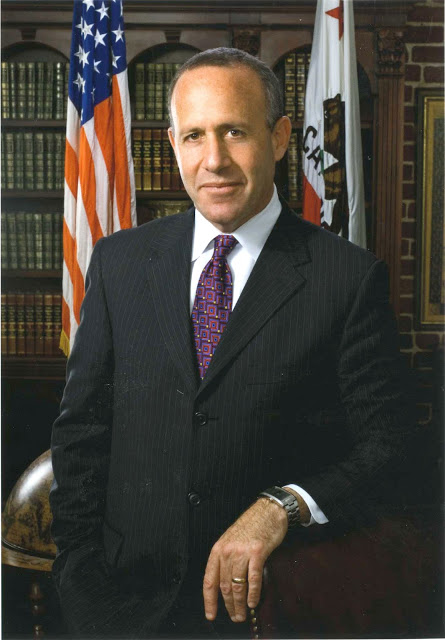
Darrell Steinberg
DDemocratic
Co
EA
Elaine Alquist
DDemocratic
Co
GR
Gloria Romero
DDemocratic
Co

Mark DeSaulnier
DDemocratic
Co
ML
Mark Leno
DDemocratic
Co

Nancy Skinner
DDemocratic
Co
PW
Patricia Wiggins
DDemocratic
Co
PK
Paul Krekorian
DDemocratic
Ask Maddy
·
AI policy assistant
Ask Maddy about SB 14
Scope: CA
Hi! I can help you understand SB 14. What would you like to know?
Try one of these
i
Maddy answers using official bill text and legislative records. Always verify before sharing.
Sources cited inline