

Judges: employment benefits.
Summary
The California Constitution requires the Legislature to prescribe compensation for judges of courts of record. Existing law authorizes a county to deem judges and court employees as county employees for purposes of providing employment benefits. These provisions were held unconstitutional as an impermissible delegation of the obligation of the Legislature to prescribe the compensation of judges of courts of record. This bill would provide that judges who received supplemental judicial benefits provided by a county or court, or both, as of July 1, 2008, shall continue to receive supplemental benefits from the county or court then paying the benefits on the same terms and conditions as were in effect on that date. The bill would authorize a county to terminate its obligation to provide benefits upon providing 180 days' written notice to the Administrative Director of the Courts and the impacted judges, but that termination would not be effective as to any judge during his or her current term while that judge continues to serve as a judge in that court or, at the election of the county, when that judge leaves office. The bill also would authorize the county to elect to provide benefits for all judges in that county. The bill would require the Judicial Council to report to the Senate Committee on Budget and Fiscal Review, the Assembly Committee on Budget, and both the Senate and Assembly Committees on Judiciary on or before December 31, 2009, analyzing the statewide benefits inconsistencies. This bill would provide that no governmental entity, or officer or employee of a governmental entity, shall incur any liability or be subject to prosecution or disciplinary action because of benefits provided to a judge under the official action of a governmental entity prior to the effective date of the bill on the ground that those benefits were not authorized under law. This bill would provide that nothing in its provisions shall require the Judicial Council to increase funding to a court for the purpose of paying judicial benefits or obligate the state or the Judicial Council to pay for benefits previously provided by the county, city and county, or the court.
Bill status
signed
all 5 stages cleared
Introduction
Feb 2009
Committee Review
Feb 2009
Senate Passage
Feb 2009
Assembly Passage
Feb 2009
Signed into Law
Feb 2009
Introduced Feb 11, 2009
Signed Feb 20, 2009
Floor votes · Senate Feb 14, 2009 · Assembly Feb 15, 2009
How they voted
29–6
Passed
Total votes 35
Feb 14, 2009
D
Democratic22
86% Yea
R
Republican13
76% Yea
Vote distribution
All Yea
All Nay
Mixed
No data
Full legislative history
Actions timeline
Total actions
22
Key actions
4
Committee
1
Amendments
1
Feb 20, 2009
Signed into law
Approved by Governor.
legislature
Feb 15, 2009
Assembly · Passed
Assembly Vote: pass (53-2-7)
assembly
Feb 14, 2009
Senate · Passed
Senate Vote: pass (29-6)
senate
Feb 14, 2009
Upper · Passed
From committee: Do pass as amended. (Ayes 22. Noes 13. Page 42.)
upper
Feb 14, 2009
Committee
Re-referred to Com. on B. & F.R.
upper
Feb 11, 2009
Introduced
Introduced. Read first time. To Com. on RLS.
upper
1 primary · 0 co-sponsors
Sponsors
Role
Legislator
Party
State
District
P
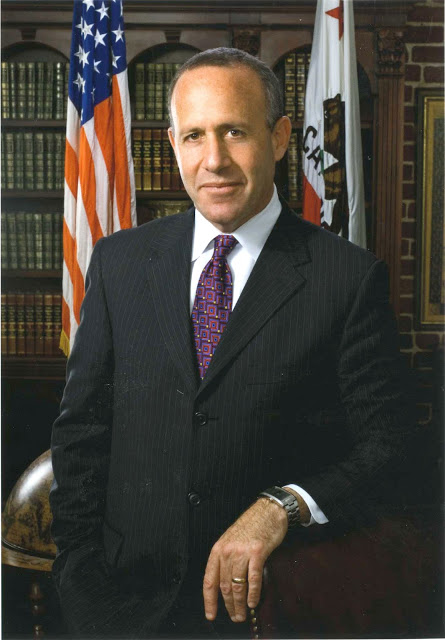
Darrell Steinberg
DDemocratic
Ask Maddy
·
AI policy assistant
Ask Maddy about SB 11
Scope: CA
Hi! I can help you understand SB 11. What would you like to know?
Try one of these
i
Maddy answers using official bill text and legislative records. Always verify before sharing.
Sources cited inline