Issue · Immigration

Immigration

Every immigration bill, vote, and legislator stance in Arkansas, automatically classified by Maddy, our AI policy reader.

Total bills
5
119th Congress
Top supporter
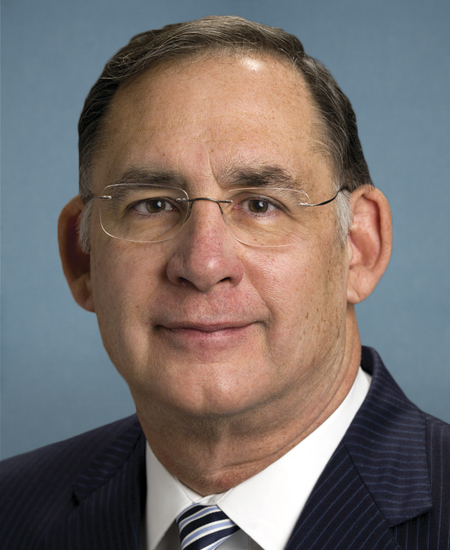
John Boozman
70% support rate
Top opponent
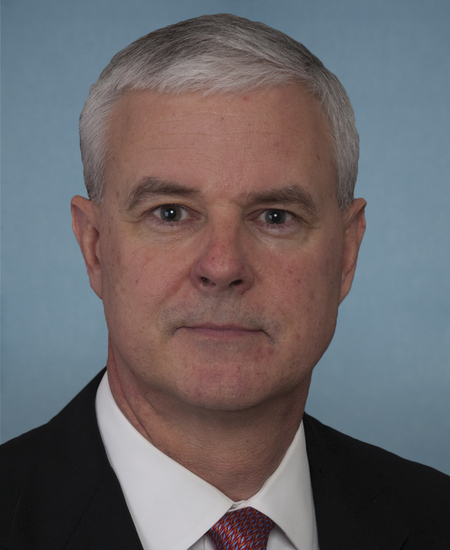
Steve Womack
19% support rate
Ranked legislators
6
2 support · 4 oppose
Key legislators

Who's moving immigration in Arkansas

Legislators moving immigration in Arkansas
Legislator Party Stance Support rate Votes
John Boozman
John Boozman Senate
R
Support
70% 179
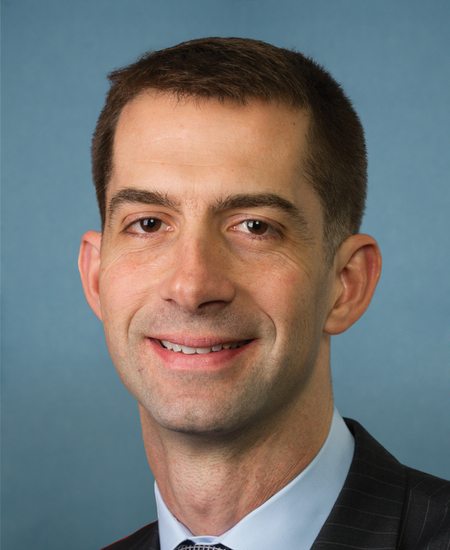
Tom Cotton
Tom Cotton Senate
R
Support
70% 179
Steve Womack
Steve Womack House · District 3
R
Strong −
19% 139
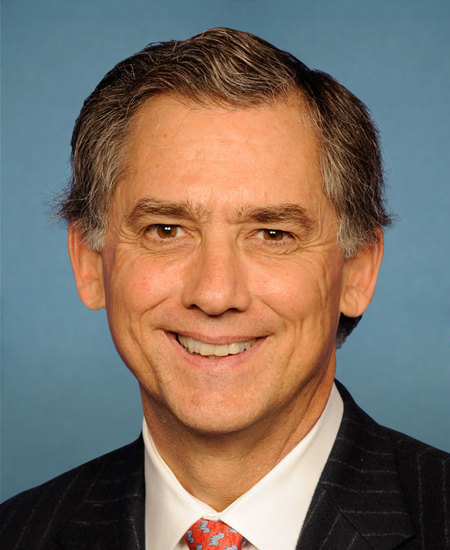
J. French Hill
J. French Hill House · District 2
R
Strong −
19% 150
Bruce Westerman
Bruce Westerman House · District 4
R
Strong −
19% 148
Eric A. "Rick" Crawford
Eric A. "Rick" Crawford House · District 1
R
Strong −
19% 150
Showing 5 of 5 bills

All immigration bills

in committee · United States · Senate Mar 27, 2025

SRES 145: A resolution protecting the Iranian political refugees, including female former political prisoners, in Ashraf-3 in Albania.

SRES 145 is a non-binding Senate resolution expressing support for Iranian political refugees residing in Ashraf-3, Albania. It calls on the U.S. government to condemn Iran’s threats (including cyberattacks and sham legal proceedings) against these refugees and to urge Albania to uphold their rights under international law, including freedom of expression and protection from extradition. The resolution specifically highlights the community’s status as former political prisoners and witnesses to Iran’s human rights abuses, such as the 1988 massacre. It does not create new laws but formally advocates for diplomatic action to safeguard this group.
in committee · United States · Senate May 5, 2025

S 1589: Immigration Parole Reform Act of 2025

S 1589, the Immigration Parole Reform Act of 2025, updates U.S. immigration parole rules to allow temporary entry for specific groups under strict criteria. It permits parole for urgent humanitarian reasons (like life-threatening medical emergencies or family reunification) or significant public benefit (such as assisting law enforcement), but only on a case-by-case basis - not for entire groups. The bill specifically expands eligibility for military family members, Cuban nationals under historical migration agreements, and those needing urgent medical care or organ transplants. Parole lasts up to one year (with possible one-year extensions) and does not grant work authorization except for military families and Cuban nationals, while requiring detailed annual reporting to Congress.
in committee · United States · House Mar 18, 2026

HR 5688: Non-Domiciled CDL Integrity Act

HR 5688, the Non-Domiciled CDL Integrity Act, changes rules for issuing commercial driver's licenses (CDLs) to people who don't live in the state where the license is issued. It allows states to issue CDLs to foreign nationals with lawful U.S. immigration status and work-related visas (valid for up to one year or until their stay ends), requiring states to verify status before issuing and keep records for two years. For residents of U.S. territories like Puerto Rico, it requires proof of U.S. citizenship or permanent residency before issuing CDLs, with similar verification and record-keeping rules. The bill directly affects commercial drivers from foreign countries and U.S. territories seeking CDLs in states where they are not residents.
in committee · United States · Senate Feb 25, 2025

S 709: Conrad State 30 and Physician Access Reauthorization Act

The Conrad State 30 and Physician Access Reauthorization Act extends the Conrad State 30 program, which allows foreign physicians to work in U.S. areas with doctor shortages for up to three years in exchange for a waiver of the two-year foreign residency requirement. The bill creates clearer pathways for physicians to adjust their immigration status to permanent residency after completing service requirements in medically underserved areas, while adding protections like banning non-compete clauses in employment agreements. It also establishes annual reporting requirements to track how many physicians are placed in underserved communities. The bill primarily affects foreign physicians seeking to work in the U.S. and health facilities in medically underserved communities.
in committee · United States · Senate Sep 10, 2025

S 2759: Healthcare Workforce Resilience Act

The Healthcare Workforce Resilience Act creates 40,000 new immigrant visas for nurses and physicians by recapturing unused employment-based visas from fiscal years 1992 through 2024. It reserves 25,000 visas specifically for nurses and 15,000 for physicians, available to applicants who file petitions within three years of the bill's enactment. These visas are exempt from country-based limits, processed more quickly without additional fees, and require employers to attest that hiring foreign workers won’t displace U.S. healthcare workers.