Issue · Healthcare

Healthcare

Every healthcare bill, vote, and legislator stance in Arkansas, automatically classified by Maddy, our AI policy reader.

Total bills
17
119th Congress
Top supporter
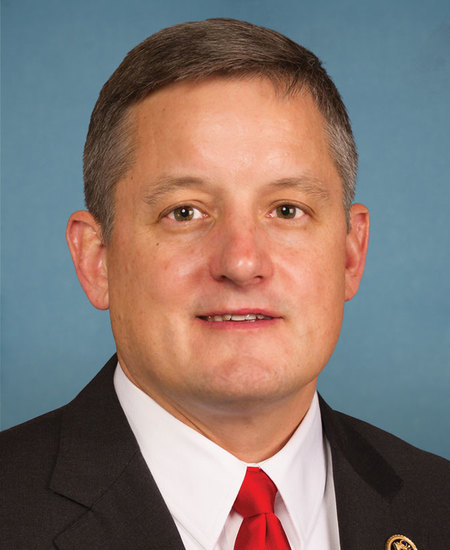
Bruce Westerman
50% support rate
Top opponent
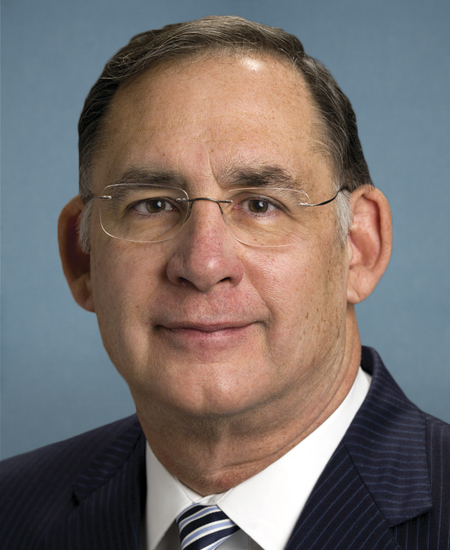
John Boozman
24% support rate
Ranked legislators
6
1 support · 5 oppose
Key legislators

Who's moving healthcare in Arkansas

Legislators moving healthcare in Arkansas
Legislator Party Stance Support rate Votes
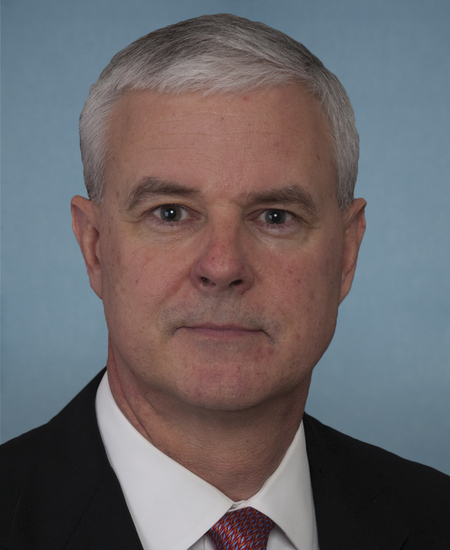
Bruce Westerman
Bruce Westerman House · District 4
R
Mixed
50% 209
John Boozman
John Boozman Senate
R
Oppose
24% 222
Tom Cotton
Tom Cotton Senate
R
Oppose
24% 221
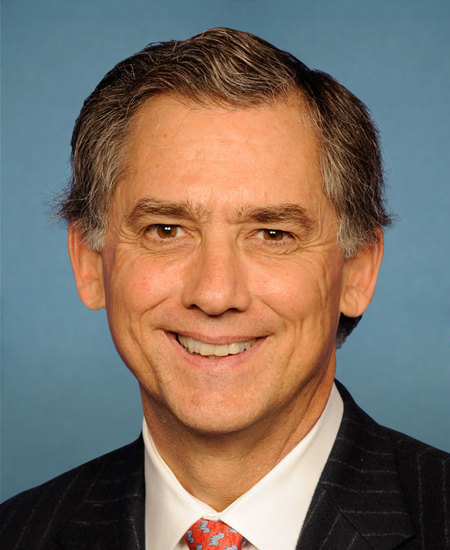
J. French Hill
J. French Hill House · District 2
R
Oppose
39% 211
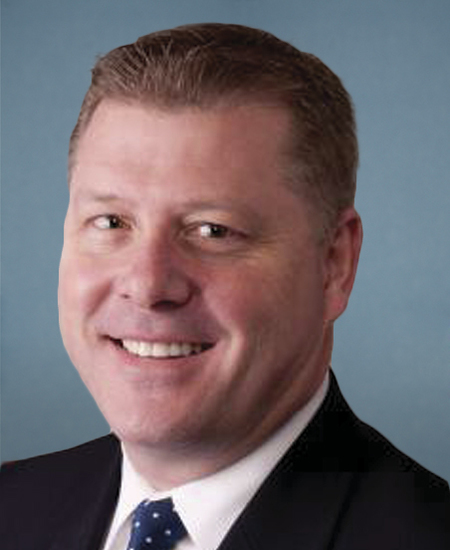
Eric A. "Rick" Crawford
Eric A. "Rick" Crawford House · District 1
R
Oppose
39% 208
Steve Womack
Steve Womack House · District 3
R
Oppose
40% 192
Showing 1–10 of 17 bills

All healthcare bills

in committee · United States · Senate Apr 16, 2026

S 4327: Securing America’s Drug Supply from Communist China Act

This bill requires the U.S. Food and Drug Administration to review new drug applications from companies based in China to determine if they are affiliated with the Chinese government, Communist Party, or military. If an application comes from such an affiliated entity, the FDA will deny approval for the drug, and U.S. Customs and Border Protection will refuse entry and destroy any imported drugs from these sponsors. The law also allows for a process where affected companies can prove they are no longer affiliated or sell their drug rights to a non-affiliated company within 180 days to avoid having their products blocked. Additionally, the bill authorizes $5 million in funding to carry out these review and enforcement activities.
in committee · United States · Senate Jan 15, 2026

S 3667: Life at Conception Act of 2026

This bill declares that the constitutional right to life applies to all human beings from the moment of conception, including fertilization. It states that Congress intends to implement this right under its powers in Article I and the 14th Amendment. The bill explicitly clarifies it does not require prosecuting women for pregnancy outcomes, ban in vitro fertilization, or restrict birth control methods. It defines "human person" to include individuals at all life stages starting at conception.
in committee · United States · House Jan 22, 2026

HR 7196: To amend the District of Columbia Home Rule Act to prohibit the Council of the District of Columbia from enacting any law to permit euthanasia and assisted suicide in the District of Columbia, and for other purposes.

HR 7196 prohibits the District of Columbia Council from passing any law permitting euthanasia or assisted suicide. It directly affects DC residents and the Council by blocking the legalization of these practices within the District. The bill amends the Home Rule Act to add a new prohibition against enacting any law related to euthanasia or assisted suicide, and it repeals DC's existing 2016 Death With Dignity Act. These changes prevent the District from implementing such policies through legislation, regulations, or other legal mechanisms.
in committee · United States · Senate Jan 23, 2025

S 205: Protecting Individuals with Down Syndrome Act

Protecting Individuals with Down Syndrome Act This bill creates new federal crimes related to the performance of an abortion on an unborn child who has Down syndrome. It subjects a violator to criminal penalties—a fine, a prison term of up to five years, or both. It also authorizes civil remedies, including damages and injunctive relief. A woman who undergoes such an abortion may not be prosecuted or held civilly liable.
Sub-Topics Women's Health
in committee · United States · House Jan 13, 2025

HR 343: Title X Abortion Provider Prohibition Act

This bill prohibits federal funding under Title X (which supports family planning services) for clinics or organizations that perform or fund abortions, except in cases of rape, incest, or when a physician certifies a life-threatening condition. It requires grantees to certify compliance annually and mandates detailed annual reports to Congress on exceptions, including abortion counts by circumstance. The law directly affects Title X-funded providers who currently offer abortion services, potentially forcing them to stop providing abortions or lose federal funding. Key mechanisms include the certification requirement, exception criteria, and the new reporting obligations for the Secretary of Health and Human Services.
in committee · United States · House Jun 3, 2025

HR 3688: Protecting Children from Experimentation Act of 2025

HR 3688, the Protecting Children from Experimentation Act of 2025, prohibits healthcare professionals from performing or aiding gender transition procedures on minors (under age 18) when the procedure involves interstate commerce (e.g., travel, payments, or communications across state lines). The bill defines "gender transition procedures" broadly to include hormonal treatments and surgeries like puberty blockers, hormone therapy, and genital reconstruction, but excludes medically necessary care for disorders of sex development, precocious puberty, or life-threatening conditions. Healthcare providers violating this prohibition face criminal penalties of up to five years in prison or fines, while minors cannot be prosecuted for receiving such procedures. The law explicitly targets providers, not parents or minors, and includes specific medical exceptions to avoid restricting standard care for qualifying health conditions.
in committee · United States · Senate Sep 3, 2025

S 2702: Empower Parents to Protect their Kids Act of 2025

S 2702 requires K-12 schools receiving federal funds to obtain parental consent before accommodating students' gender identity expressions that differ from their biological sex. It prohibits schools from hiding such information from parents, encouraging students to conceal gender identity concerns, or facilitating referrals for gender transition procedures without consent. Schools must publicly post compliance policies and provide written policies to families, with violations allowing parents to sue for injunctive relief, attorney fees, and compensation for "harm" from gender transition treatments. The bill directly affects school districts, staff, and families of students under 18, mandating parental involvement in decisions about gender identity accommodations.
in committee · United States · House Jul 21, 2026

HR 6213: Heat Workforce Standards Act of 2025

HR 6213, the Heat Workforce Standards Act of 2025, prohibits the U.S. Department of Labor from finalizing, implementing, or enforcing OSHA's proposed "Heat Injury and Illness Prevention" standard (published August 30, 2024). This bill directly blocks the specific regulatory proposal targeting heat safety in both outdoor and indoor work settings. It does not create new requirements or affect workers; it solely prevents the implementation of the existing OSHA proposal. The bill is procedural, focusing on halting a regulatory action rather than establishing new policy.
in committee · United States · House Jan 23, 2025

HR 685: SAVE Moms and Babies Act of 2025

HR 685, the SAVE Moms and Babies Act of 2025, prohibits the FDA from approving new abortion drugs or allowing investigational use of existing ones. It restricts existing abortion drugs to in-person administration by certified healthcare providers in clinics or hospitals (not pharmacies), limits use to pregnancies under 70 days gestation, and requires providers to certify they can handle complications like severe bleeding or ectopic pregnancies. The bill mandates reporting of adverse events (such as hospitalizations or infections) to the FDA without patient identifiers and defines "abortion drug" broadly as any drug intended to terminate pregnancy, excluding specific medical exceptions. This directly affects FDA approval processes, healthcare providers prescribing these drugs, and drug manufacturers.
Sub-Topics Women's Health
in committee · United States · House Jan 9, 2025

HR 271: Defund Planned Parenthood Act of 2025

This bill blocks federal funding for Planned Parenthood Federation of America and its clinics for one year unless they certify they won't perform abortions. Exceptions apply for pregnancies resulting from rape or incest, or when a woman's life is in danger due to a medical condition. The bill redirects the redirected funds to community health centers and other providers serving women's health needs, authorizing $235 million for this purpose. It explicitly states this will not reduce overall federal funding for women's health services. The policy change directly affects Planned Parenthood clinics receiving federal funds, requiring them to certify abortion restrictions or lose funding.
Sub-Topics Women's Health
Showing 1 to 10 of 17 bills
1 2 Next