Issue · Technology

Technology

Every technology bill, vote, and legislator stance in Arizona, automatically classified by Maddy, our AI policy reader.

Total bills
2
57th Legislature - Second Regular Session
Top supporter
Kevin Payne
83% support rate
Top opponent
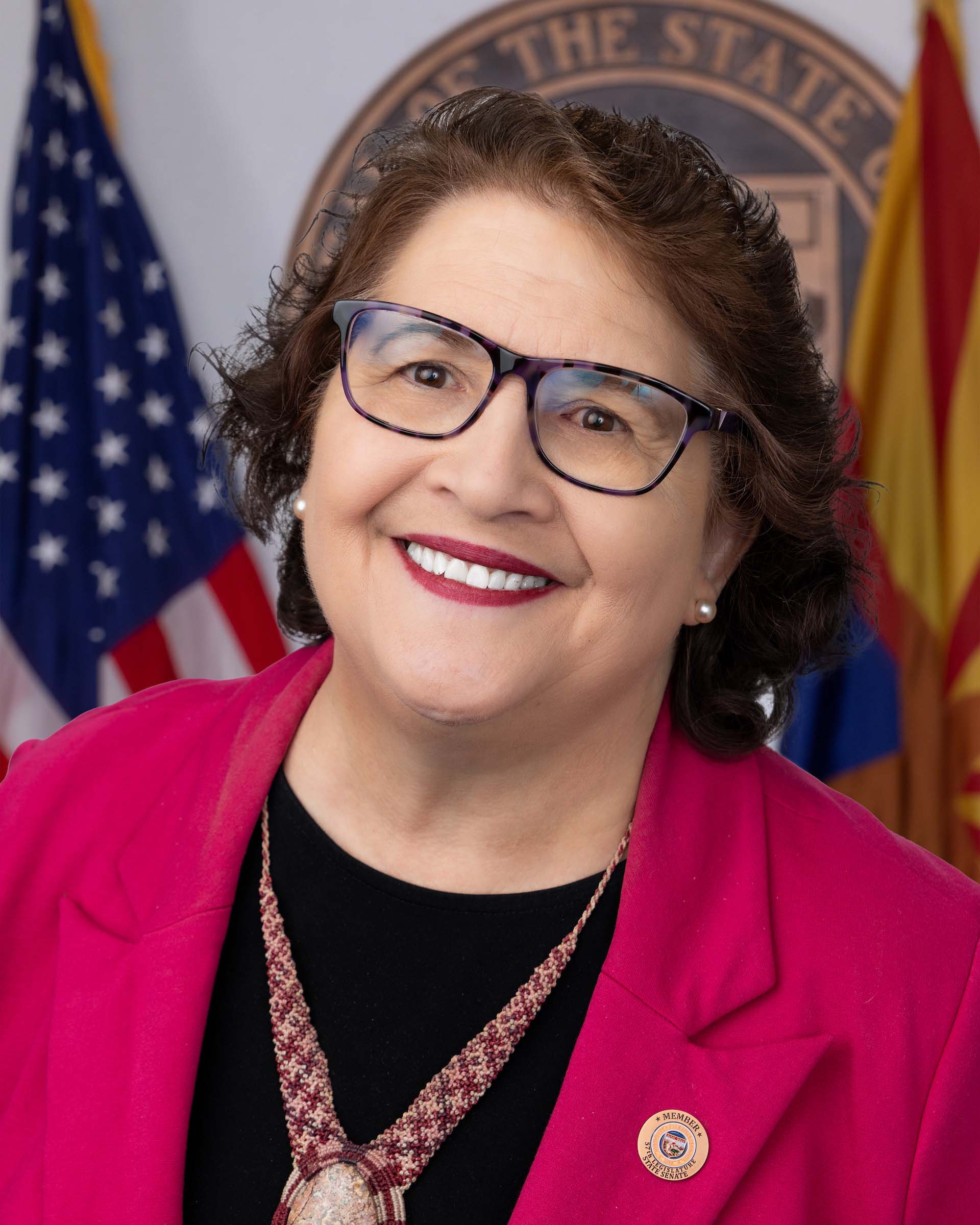
Catherine Miranda
19% support rate
Ranked legislators
10
5 support · 5 oppose
Key legislators

Who's moving technology in Arizona

Legislators moving technology in Arizona
Legislator Party Stance Support rate Votes
Kevin Payne
Kevin Payne Senate · District 27
R
Strong +
83% 148
David Gowan
David Gowan Senate · District 19
R
Strong +
82% 159
Tim Dunn
Tim Dunn Senate · District 25
R
Strong +
82% 159
J.D. Mesnard
J.D. Mesnard Senate · District 13
R
Strong +
82% 158
John Kavanagh
John Kavanagh Senate · District 3
R
Strong +
82% 158
Catherine Miranda
Catherine Miranda Senate · District 11
D
Strong −
19% 143
Eva Diaz
Eva Diaz Senate · District 22
D
Strong −
20% 120
Sally Gonzales
Sally Gonzales Senate · District 20
D
Oppose
21% 157
Mitzi Epstein
Mitzi Epstein Senate · District 12
D
Oppose
22% 150
Analise Ortiz
Analise Ortiz Senate · District 24
D
Oppose
24% 143
Showing 2 of 2 bills

All technology bills

passed · Arizona · House Mar 9, 2026

HB 2451: Arizona space commission; strategic plan

Arizona's HB 2451 establishes the Arizona Space Commission to advance the state's space industry. The commission's board of directors - appointed by the governor, senate president, and house speaker - must include members with aerospace experience, advanced degrees in space-related fields, or startup backgrounds. The board is required to create an annual strategic plan detailing specific projects, their estimated costs, and available funding sources to strengthen Arizona's civil, commercial, and military space sectors. This plan must be updated yearly and submitted to state leaders by December 31 of even-numbered years, starting in 2026.
passed · Arizona · House Feb 26, 2026

HB 2410: artificial intelligence; privileged communications

HB 2410 would make communications with artificial intelligence protected (privileged) if those same communications would have been protected had they been made to a human professional, such as a lawyer or doctor. It directly affects people seeking advice from AI tools in contexts where human professional advice would normally be confidential. The bill establishes that AI interactions would be treated identically to human professional communications under existing privilege rules. This bill is currently pending in Arizona's legislature after its first two readings and has not yet become law.