Issue · Healthcare

Healthcare (Medicaid)

Every healthcare bill, vote, and legislator stance in Arizona, automatically classified by Maddy, our AI policy reader.

Total bills
26
57th Legislature - Second Regular Session
Top supporter
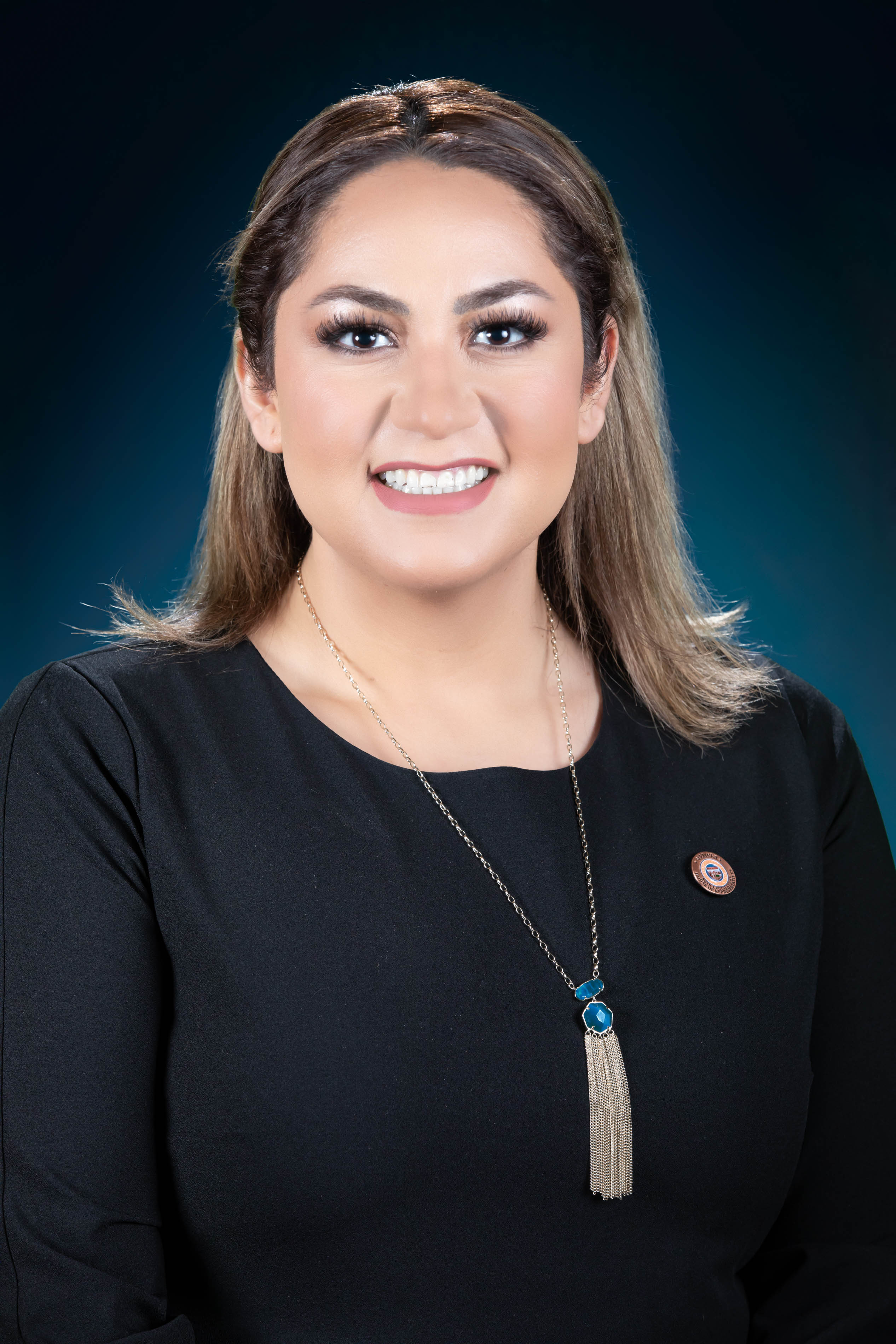
Elda Luna-Nájera
100% support rate
Top opponent
Neal Carter
0% support rate
Ranked legislators
10
5 support · 5 oppose
Key legislators

Who's moving medicaid in Arizona

Legislators moving medicaid in Arizona
Legislator Party Stance Support rate Votes
EL
Elda Luna-Nájera House · District 22
D
Strong +
100% 9
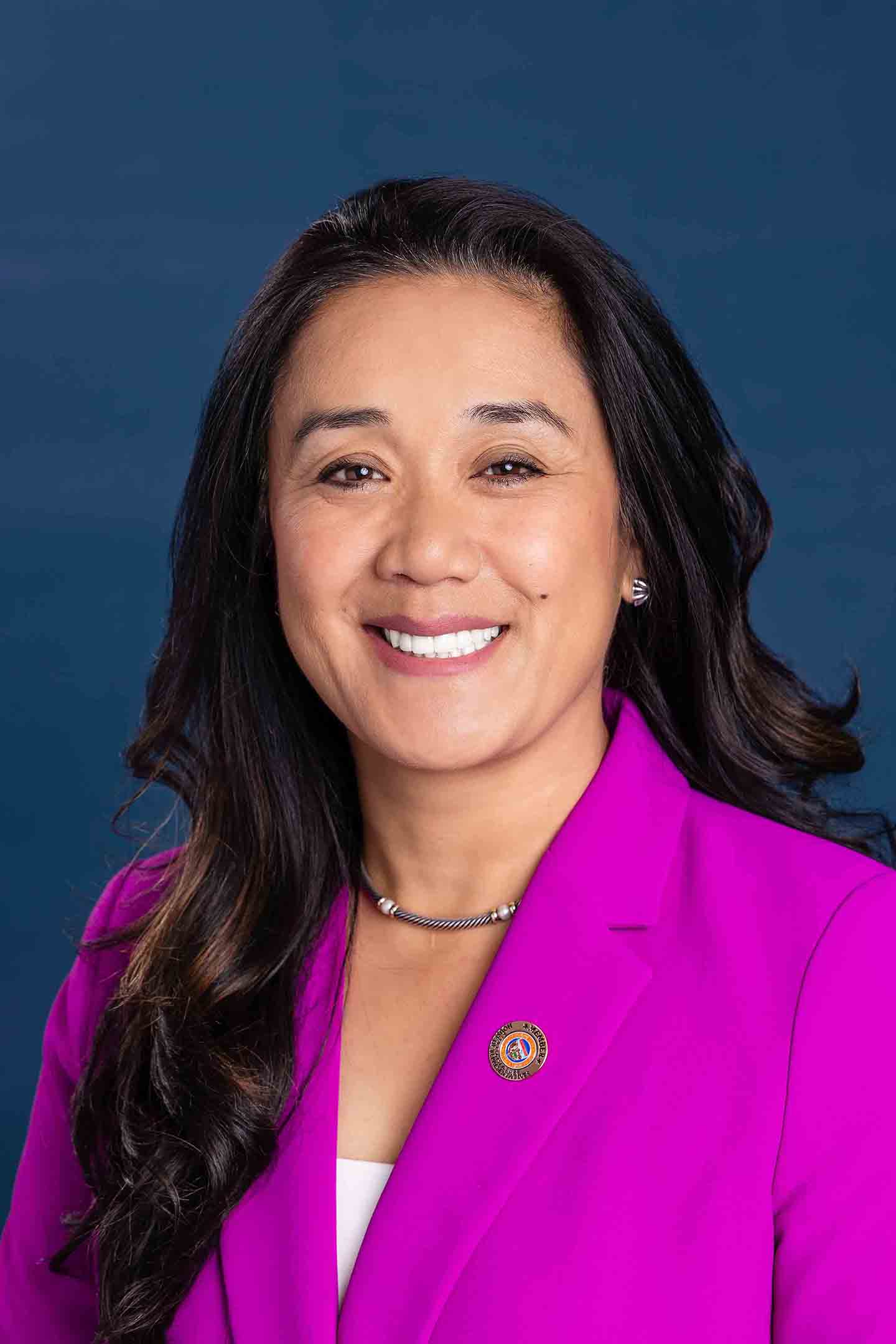
Lydia Hernandez
Lydia Hernandez House · District 24
D
Strong +
100% 9
AH
Alma Hernández House · District 20
D
Strong +
100% 8
Consuelo Hernandez
Consuelo Hernandez House · District 21
D
Strong +
100% 8
Junelle Cavero
Junelle Cavero House · District 11
D
Strong +
100% 7
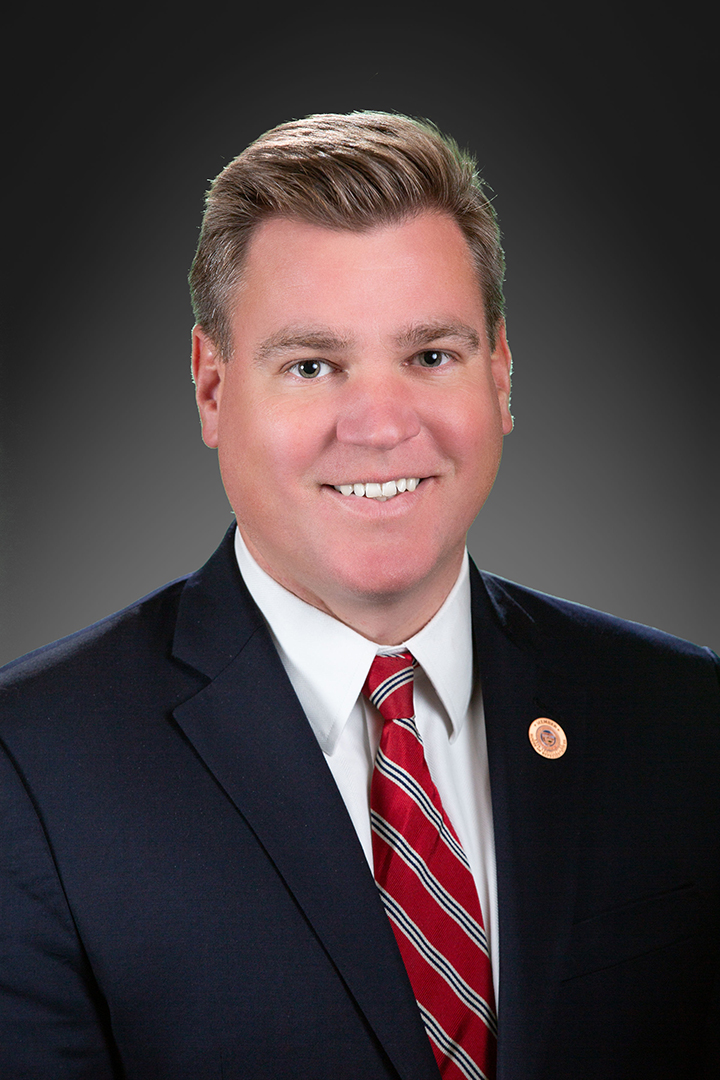
Neal Carter
Neal Carter House · District 15
R
Strong −
0% 9
Rachel Keshel
Rachel Keshel House · District 17
R
Strong −
0% 8
Justin Olson
Justin Olson House · District 10
R
Strong −
11% 9
Khyl Powell
Khyl Powell House · District 14
R
Strong −
11% 9
Michael Way
Michael Way House · District 15
R
Strong −
11% 9
Showing 11–20 of 26 bills

All healthcare bills

introduced · Arizona · House Jan 21, 2026

HB 2585: AHCCCS; reimbursement; noncontracting providers

HB 2585 requires Arizona's Medicaid managed care plans (contractors) to reimburse noncontracting healthcare providers for laboratory services when a member is referred by a contracted provider. It also prohibits contractors from requiring prior authorization for diagnostic services and bans retaliatory actions against contracted providers who refer members to noncontracted providers. The bill directly affects Medicaid enrollees, noncontracting healthcare providers (like independent labs), and managed care contractors. These changes aim to improve access to lab and diagnostic services while protecting provider referral choices.
Sub-Topics Medicaid
signed · Arizona · House Apr 13, 2026

HB 2177: AHCCCS; waivers; American Indians; services

HB 2177 requires Arizona's health director to annually seek federal Medicaid waivers to restore coverage for specific health services provided to American Indian and Alaska Native members at tribal or Indian health facilities. The bill specifically aims to cover services eliminated, reduced, or limited in Arizona's Medicaid plan after September 2010, including medically necessary dental care. It directly affects tribal health facilities and enrolled members who receive care through these providers under federal law. The key mechanism is mandating annual waiver applications to authorize state payments for these previously excluded services, ensuring tribal facilities can bill Medicaid for covered care.
Sub-Topics Medicaid Tags Tribal Nations
in committee · Arizona · Senate Feb 11, 2026

SB 1451: appropriation; behavioral health provider rates

SB 1451 allocates $60 million in the 2026-2027 fiscal year to increase Medicaid reimbursement rates by 10% for inpatient and outpatient behavioral health services provided to low-income Arizonans. This directly benefits behavioral health providers (like clinics and therapists) who serve Medicaid patients by ensuring they receive higher payments for their services. The bill requires that health plans pass the full rate increase to providers and prohibits them from offsetting it using existing higher rates. Funds can only be used for these specific behavioral health provider rate increases and cannot be redirected to administrative costs or other programs.
passed · Arizona · Senate Mar 16, 2026

SB 1116: AHCCCS; claims review; behavioral health

SB 1116 requires that appeals for behavioral health claims under Arizona's Medicaid program (AHCCCS) subject to a capped fee-for-service payment schedule must be reviewed by an individual with relevant clinical experience. This applies specifically to disputes over payments for behavioral health services where providers are paid under a fixed, capped rate system. The bill directly affects behavioral health providers and patients involved in payment appeals within AHCCCS. It mandates clinical expertise in the review process rather than non-clinical review, aiming to improve the accuracy of payment decisions for these services.
Sub-Topics Medicaid Mental Health
introduced · Arizona · House Jan 21, 2026

HB 2521: eligibility; children's health insurance program

HB 2521 amends Arizona's children's health insurance program (CHIP) eligibility rules by adjusting income thresholds for children under 19. It increases the income limit from 200% of the federal poverty level (FPL) to 225% for fiscal years 2024-2026, then to 300% for all subsequent years. This change directly affects low-income families whose children qualify for CHIP coverage based on household income. The bill updates the legal definition of "member" in the program without altering its structure or administration.
failed · Arizona · House Mar 10, 2026

HB 2726: AHCCCS; mild obstructive sleep apnea

HB 2726 adds coverage for the diagnosis and treatment of mild obstructive sleep apnea under Arizona's Medicaid program (AHCCCS). This specifically includes patient screening and the use of FDA-approved prescription devices delivered through the durable medical equipment benefit. The bill directly affects AHCCCS enrollees with mild sleep apnea, ensuring this treatment is covered as a medically necessary service. It does not change eligibility or funding but explicitly lists this condition as a covered service under the program's health care benefits.
Sub-Topics Medicaid
signed · Arizona · Senate Jun 19, 2026

SB 1164: ALTCS; providers; change of ownership

SB 1164 modifies Arizona's long-term care system rules to streamline ownership transitions for facilities serving Medicaid beneficiaries. It allows new owners of skilled nursing or assisted living facilities (that continue providing ALTCS services) to have claims for member care processed and paid under the previous owner's contract until the new owner completes their enrollment and contracting process. This prevents payment delays during ownership changes, ensuring uninterrupted care for members. The provision applies only when the new owner requests continuation and the facility maintains service under the ALTCS program.
introduced · Arizona · House Jan 21, 2026

HB 2542: AHCCCS; preventive dental care

HB 2542 adds "preventive dental care" to the list of covered services under Arizona's AHCCCS (Medicaid) program for enrollees aged 21 and older. The bill explicitly includes routine preventive dental services alongside existing emergency dental care and extractions, which remain capped at $1,000 annually per member. This change directly affects AHCCCS recipients aged 21+ by expanding their covered dental benefits to include preventive care like cleanings and check-ups. The bill does not alter existing coverage limits for other services or create new funding requirements.
Sub-Topics Medicaid Primary Care
failed · Arizona · House Feb 19, 2026

HB 2725: AHCCCS; prescription drug coverage

HB 2725 prevents AHCCCS (Arizona's Medicaid program) from requiring patients to switch from non-opioid pain medications to opioids when a doctor prescribes a non-opioid for chronic or acute pain. It also prohibits stricter coverage rules - like more difficult prior authorization or step therapy - for non-opioid pain drugs compared to opioid alternatives. The bill directly affects AHCCCS members prescribed pain medication and their healthcare providers. Key provisions mandate equal treatment in coverage policies for clinically appropriate non-opioid and opioid pain drugs. This bill is pending in the Arizona legislature after its first reading in January 2026.
passed · Arizona · House Mar 31, 2026

HB 2403: appropriation; AHCCCS; provider increase

HB 2403 allocates $7.5 million annually from Arizona's state general fund for four fiscal years (2026-2027 through 2029-2030) to increase payments to home and community-based service providers under Arizona's Medicaid program (AHCCCS). This funding directly supports providers who serve elderly Arizonans and individuals with physical disabilities, enabling them to offer services like in-home care and support. The bill specifically targets higher reimbursement rates for these providers, ensuring they receive additional state funding for eligible services. It is a budgetary measure with no policy changes beyond the specified funding allocation.
Showing 11 to 20 of 26 bills