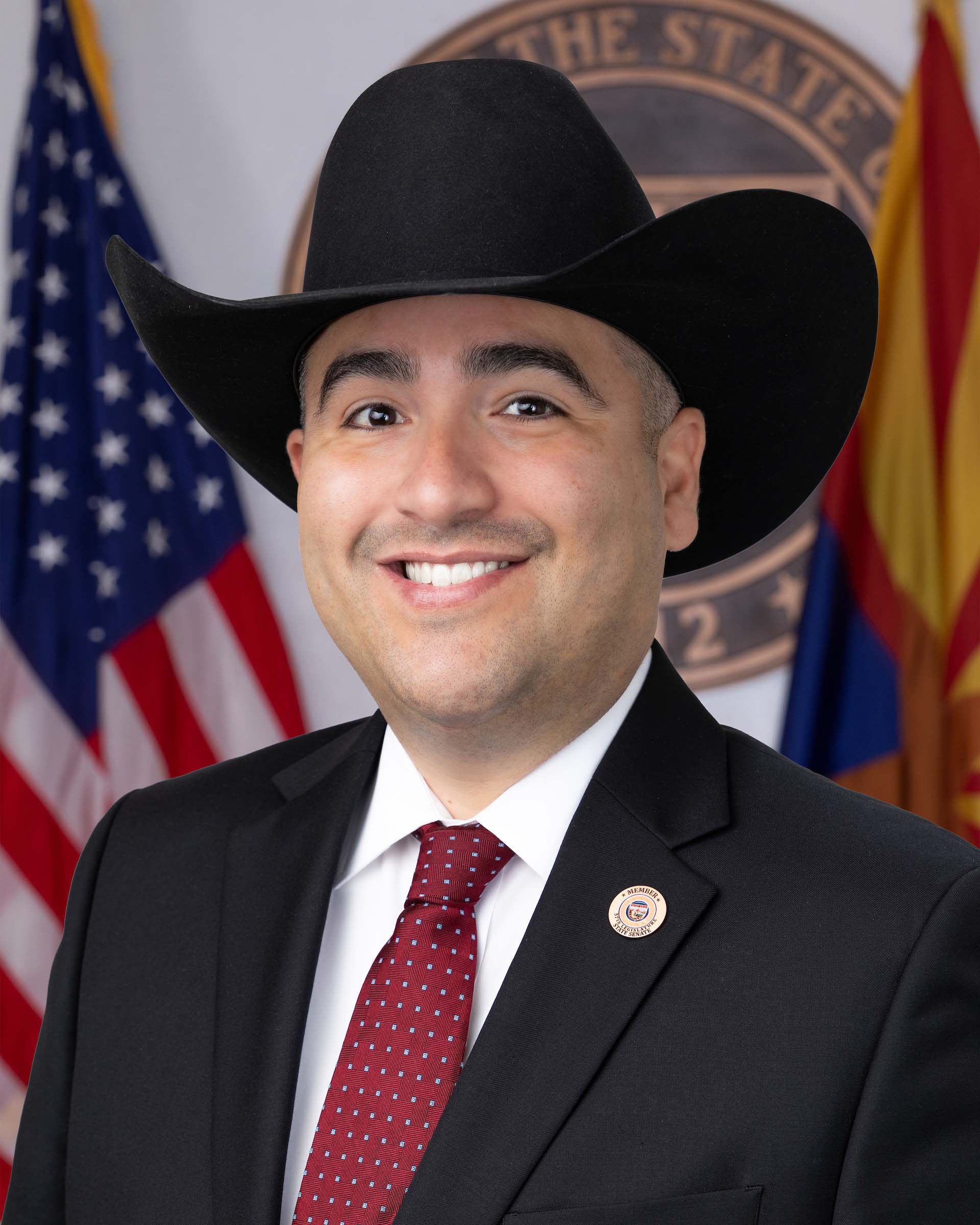
SB 1179 extends Arizona’s developmental disabilities group home monitoring program to continue monitoring group homes serving residents with complex needs (defined as those with dual psychiatric and developmental disabilities causing disruptive or harmful behaviors). Starting January 2026, a designated advocacy entity will conduct in-person checks to verify residents receive their care plans, including medication, behavioral support, and dietary needs, while ensuring staff competency and family involvement. The program requires monthly reports to the state department, quarterly department responses, and annual reviews by legislators to assess quality of care and determine future funding. This directly affects group homes, residents with complex needs, and the designated advocacy entity conducting the monitoring.
Arizona Senate Bill 1244 amends mental health statutes to streamline court-ordered treatment continuity for individuals with serious mental health conditions. It requires mental health agencies to conduct annual reviews 90 days before treatment expiration to assess whether continued court-ordered treatment is appropriate (Section 36-543). The bill creates a new "conversion" process (Section 36-543.01) allowing patients to transition to ongoing court-ordered treatment without a full new petition, while strengthening notification requirements for guardians and patients about treatment renewals or discharges (Sections 36-504.01, 36-542). These changes directly affect patients under court-ordered mental health treatment, their guardians, and mental health treatment agencies.
SB 1629 requires Arizona managed care organizations (MCOs) to submit a detailed network adequacy study to the administration before terminating contracts with "high-volume" behavioral health service providers (those delivering ≥10% of a specific service or employing >10% of licensed providers) without cause. The study must analyze service provider-to-enrollee ratios, appointment wait times, patient volume, impacts on disabled members, and cumulative termination effects, with MCOs providing 90 days' written notice. The administration reviews these studies within 10 business days and must confirm network adequacy standards will be maintained before allowing termination. This bill directly affects MCOs and high-volume behavioral health providers by creating a review process to prevent disruptions in mental health services.
SB 1368 requests a federal waiver to restrict Arizona SNAP recipients from using benefits to purchase sugary drinks, candy, and low-nutrition snacks. If approved, it would allow the state to define "non-eligible foods" (like soda and candy) while keeping all standard SNAP-eligible foods (fresh produce, dairy, lean meats, etc.) accessible. The bill explicitly states this change would not reduce benefit amounts or limit access to nutritious foods. It requires the state to provide clear guidance to recipients and retailers during implementation. The bill is currently pending federal approval and in early legislative stages.