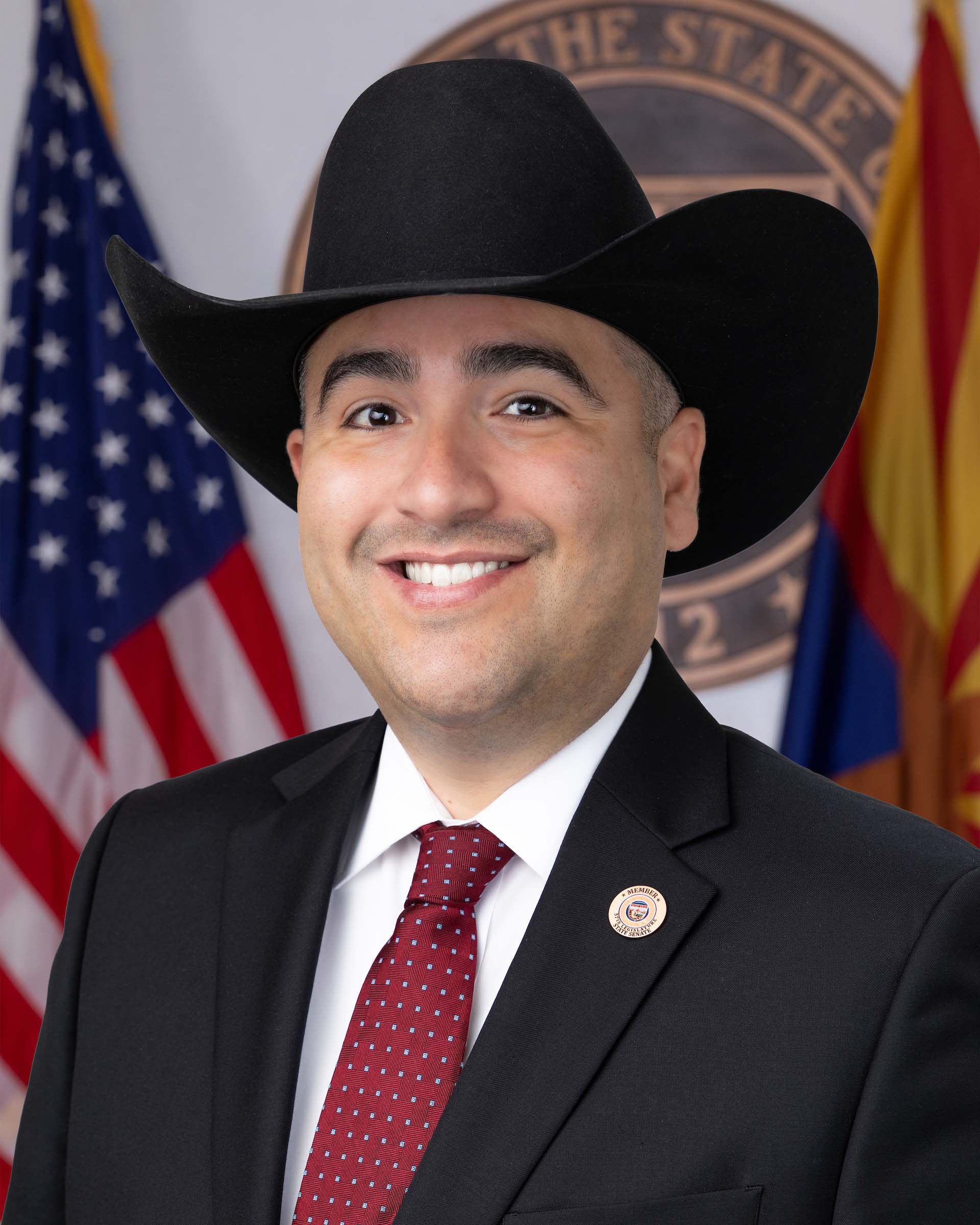
HB 2923 amends Arizona law to establish clearer court oversight for inpatient mental health treatment of incapacitated persons under guardianship. It requires courts to authorize guardians to consent to such treatment only after clear evidence (supported by a mental health expert) that the person is likely to need inpatient care, and mandates that courts limit treatment to the least restrictive option for the shortest necessary duration. Key provisions include requiring facilities to assess placement every 30 days, notifying the ward’s attorney within 48 hours of admission, and allowing the attorney to request a court hearing within 3 days if placement seems inappropriate. The bill also ensures the ward’s attorney can access all treatment records and must review reports if guardians seek continued authority to consent to inpatient care.
SB 1099 requires health professionals to obtain written informed consent before prescribing or performing gender transition procedures, such as puberty-suppressing medications, cross-sex hormones, or surgeries. It mandates disclosure of specific risks - including uncertain long-term effects, potential infertility, bone density issues, surgical complications, and alternatives like therapy - before any procedure. Consent forms must be documented per state guidelines and retained for 15 years. The bill directly affects transgender patients seeking medical transition care and the healthcare providers who administer it, with civil liability for failing to meet these disclosure requirements.
SB 1021 updates Arizona's chiropractic regulations to strengthen patient record-keeping and transparency. It requires chiropractors to maintain detailed patient records - including health history, treatment plans, and visit notes - for at least six years, and prohibits failing to disclose financial interests when referring patients to other providers. The bill also mandates written notice to the board about record storage locations when a practice closes. These changes directly affect licensed chiropractors and chiropractic assistants by setting clear standards for documentation and accountability.
This Arizona constitutional amendment (HCR 2056) would recognize and protect an individual's fundamental right to refuse any medical treatment, product, or mandate - including those tied to employment, education, or public access - without government coercion. It prohibits government entities from forcing medical interventions (like vaccinations or implants) as a condition for benefits, rights, or services, but includes key exceptions: court-ordered treatment for mental health risks, law enforcement custody, parental decisions for minors, emergency life-saving care, and federal or existing state requirements. The bill defines "coerce or compel" as imposing penalties or denying benefits for noncompliance. If approved by voters, it would amend Arizona's constitution, making this right enforceable.
HB 2833 requires certain professionals - including doctors, teachers, social workers, and child welfare staff - to report suspected abuse, violent threats, or neglect involving minors to child safety authorities or law enforcement. It expands mandatory reporting to cover threats of death or serious injury, physical injury not explained by medical history, and denial of necessary medical care, while exempting clergy from reporting confessions (but not personal observations of harm). Reports must be made immediately with details like the minor’s identity and incident specifics, and the law includes limited exemptions for consensual minor-on-minor interactions and accidental playground injuries. This bill directly affects minors at risk of harm and the professionals legally obligated to report such incidents.