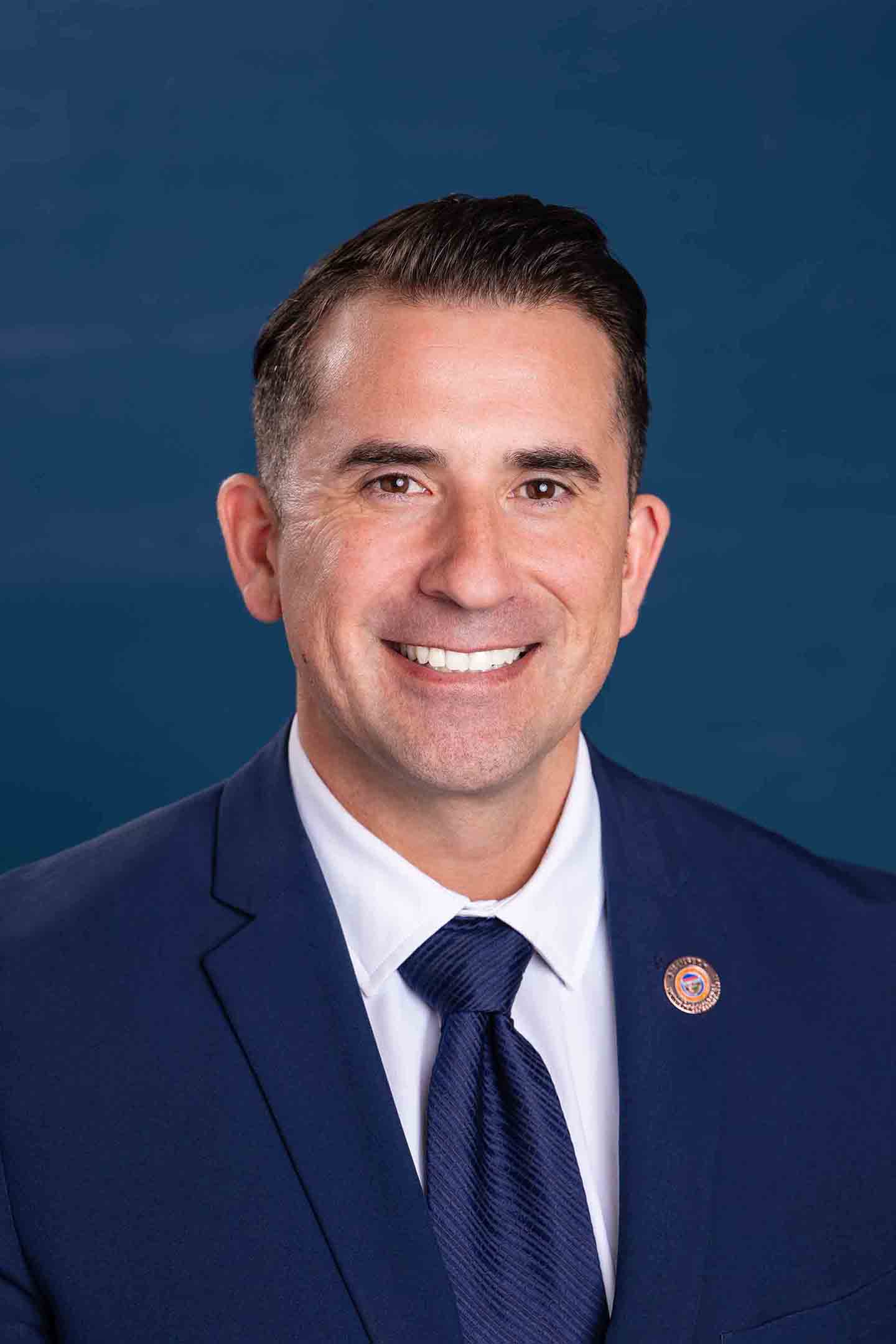
SB 1335 requires Arizona's water banking commission to submit an annual report by July 1st each year, detailing all transactions and activities related to the state's water banking fund. The report must include specific financial accounting (monies expended and remaining), water storage volumes, long-term credit distributions, and a 10-year plan for future water banking services - including protecting against Colorado River shortages and supporting tribal water rights settlements. The commission must also post this report on its public website. This bill focuses solely on transparency and reporting requirements for the existing water banking program.
HB 2986 amends Arizona law to regulate lead acid battery disposal and open burning. It prohibits landfill disposal and incineration of lead acid batteries, requiring retailers and others to recycle them through permitted smelters, manufacturers, or EPA/DEQ-authorized facilities. For open burning, the bill establishes new permit requirements for agricultural burning on farms over 40 acres, including registration, smoke dispersion limits, and conditions to prevent public nuisance. These changes directly affect battery retailers, recyclers, farmers, and local fire authorities managing burning permits. The law also creates registration fees for recycling facilities and clarifies county-level authority over burning permits.
SB 1445 modifies Arizona's water quality regulations to allow small municipalities (with populations between 1,000 and 10,000) to use EPA-approved on-site equipment for bacteriological testing of wastewater. It updates permit requirements for facilities discharging pollutants, including specifying that small towns may conduct this testing on-site instead of sending samples to external labs. The bill directly affects local governments and wastewater facilities in smaller communities by streamlining testing procedures while maintaining EPA standards. It also clarifies permit processes for aquifer protection and aligns with federal Clean Water Act requirements.
This bill updates how money from Arizona's state lottery is distributed and clarifies rules for examining insurance companies. It ensures that funds are first used to pay off lottery-related bond debts, then allocates specific amounts to various programs including wildlife conservation, child safety, health education, and homeless shelters. The legislation also establishes a minimum deposit requirement for the state general fund before certain heritage funds can receive money and sets a schedule for quarterly transfers. Additionally, it mandates that the insurance director examine domestic insurers at least once every five years and allows for accepting reports from other states to avoid duplicate reviews.
This bill establishes annual groundwater withdrawal fees for users in Arizona's Prescott, Santa Cruz, Tucson, Phoenix, and Pinal active management areas, with a maximum rate of $5 per acre-foot. The collected funds are allocated to cover administrative costs, water supply augmentation, conservation assistance, water banking, and the purchase of older water rights, while also exempting small-scale irrigation operations. Additionally, the legislation creates a dedicated fund to finance the construction and rehabilitation of wells and infrastructure for irrigation districts in specific regions.
HB 2494 creates special zoning districts for aggregate mining operations in Arizona counties. It requires county boards to establish these districts based on petitions from residents near existing operations and form committees with equal representation from mining operators and community members to set local rules. The bill exempts aggregate mining from standard zoning restrictions within designated districts while requiring operators to follow specific environmental and operational standards for dust, noise, and site reclamation. This directly affects counties establishing zoning districts and aggregate mining operators seeking to expand or operate within these areas.
HB 2641 prohibits local governments, fire departments, and state agencies from using class B firefighting foam containing intentionally added PFAS chemicals during training or testing, effective January 1, 2020. Exceptions allow emergency firefighting, fire prevention, and testing at facilities with proper containment, treatment, and disposal measures. The law specifically targets foam for flammable liquid fires (class B) but does not restrict manufacturing, sale, or emergency use of the foam. It defines PFAS chemicals as fluorinated substances used in firefighting formulations and clarifies that the prohibition applies only to non-emergency purposes.
HB 2078 updates Arizona's requirements for reclamation plans at aggregate mining sites. It requires mining operators to notify residential property owners within a half-mile of the operation about proposed reclamation plans, using prior public notices (like zoning applications) if published within that radius. The bill specifies that reclamation plans must include detailed measures for erosion control, revegetation, safety for hazardous areas, and post-mining land use. These changes apply to new reclamation plans submitted on or after September 15, 2024.
HB 2096 creates a program for Arizona counties to receive **forgivable financial assistance** from the Water Infrastructure Finance Authority to remediate cesspools posing risks to water quality, groundwater, or public health. It directly affects counties with high-risk cesspools, prioritizing projects in groundwater vulnerability zones, near surface waters, or in low-to-moderate income communities. Key provisions include: forgivable principal (no repayment required) for replacing cesspools with approved on-site systems or sewer connections, no voter approval needed for this assistance (unlike standard loans), and mandatory coordination with the Department of Environmental Quality. Counties must use funds exclusively for eliminating existing cesspools and cannot apply income-based eligibility to abandoned properties. The bill is proposed legislation (prefiled in 2025) and not yet enacted.
This bill outlines how specific environmental funds in Arizona can be used during the 2026-2027 fiscal year. It allows money from the underground storage tank fund to cover administrative costs and address sewage discharge problems in border areas like Naco. The legislation also permits the use of water banking and water protection funds to pay legal fees and cover departmental administrative expenses. Additionally, it sets a $15 million spending cap for the water quality assurance revolving fund and keeps vehicle emissions testing fees at their 2025 levels. Although the bill passed the legislature, it was vetoed by the Governor.