





Issue · Environment

Environment

Every environment bill, vote, and legislator stance in Arizona, automatically classified by Maddy, our AI policy reader.

Total bills
1
57th Legislature - Second Regular Session
Top supporter
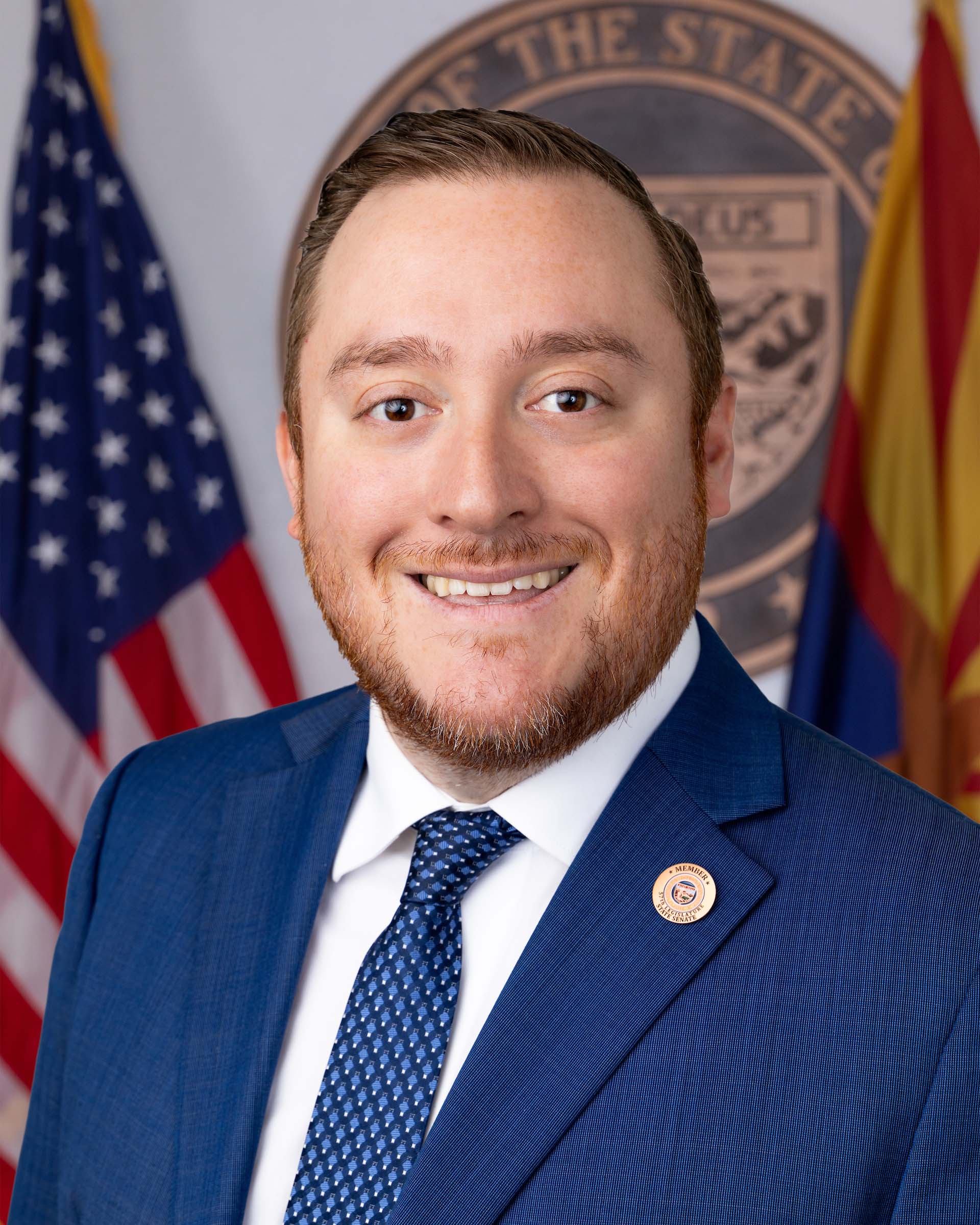
Flavio Bravo
68% support rate
Top opponent
Anna Abeytia
40% support rate
Ranked legislators
10
5 support · 5 oppose
Key legislators

Who's moving environment in Arizona

Legislators moving environment in Arizona
Legislator Party Stance Support rate Votes
Flavio Bravo
Flavio Bravo Senate · District 26
D
Support
68% 69
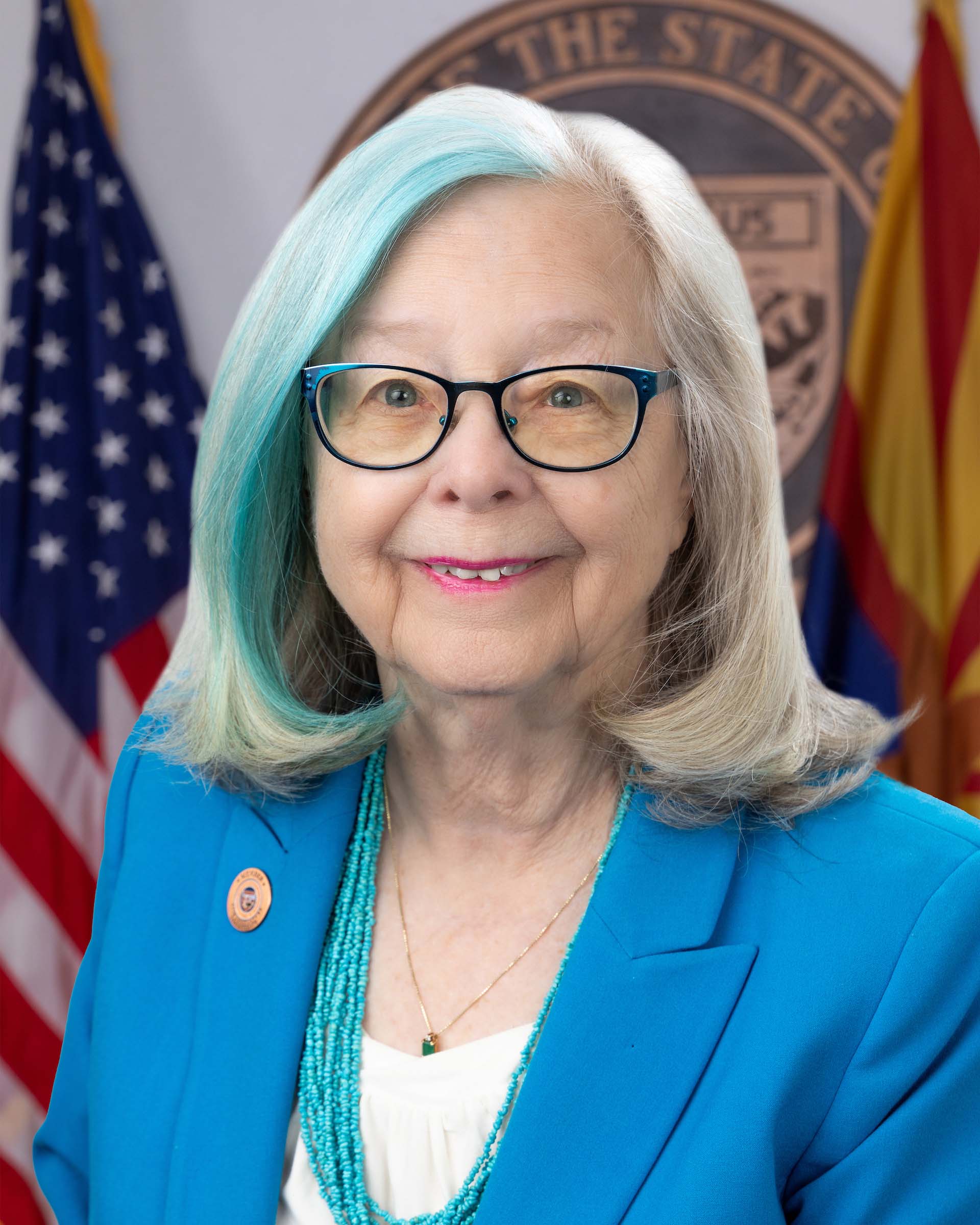
Lela Alston
Lela Alston Senate · District 5
D
Support
64% 84
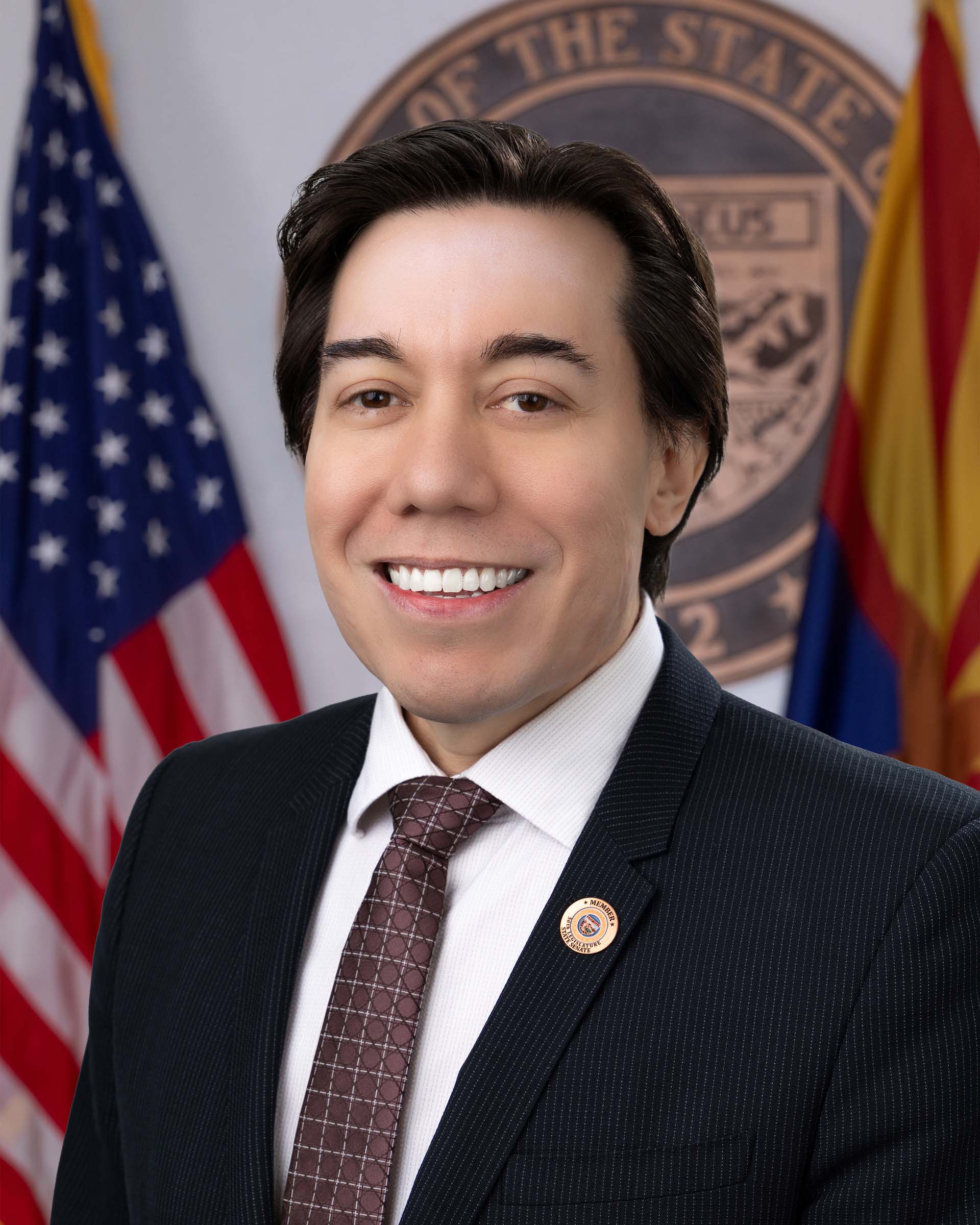
Brian Fernandez
Brian Fernandez Senate · District 23
D
Support
64% 72
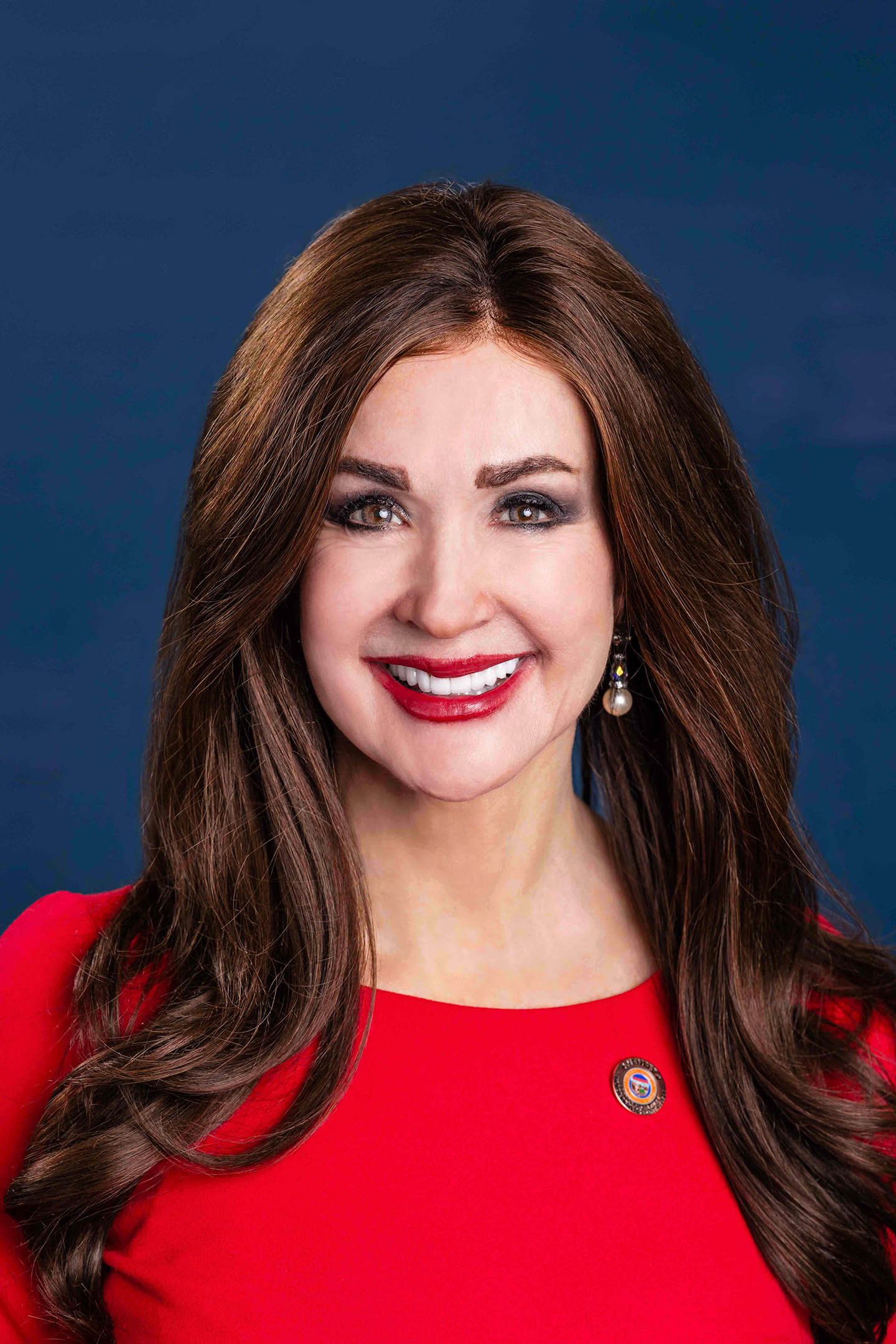
Pamela Carter
Pamela Carter House · District 4
R
Support
63% 141
Kiana Sears
Kiana Sears Senate · District 9
D
Support
63% 81
Anna Abeytia
Anna Abeytia House · District 24
D
Oppose
40% 117
Stacey Travers
Stacey Travers House · District 12
D
Mixed −
40% 123
Nancy Gutierrez
Nancy Gutierrez House · District 18
D
Mixed −
42% 122
Mariana Sandoval
Mariana Sandoval House · District 23
D
Mixed −
42% 139
Aaron Marquez
Aaron Marquez House · District 5
D
Mixed −
42% 141
Showing 1 of 1 bills

All environment bills

signed · Arizona · House Jun 4, 2026

HB 2096: forgivable financial assistance; cesspool remediation

HB 2096 creates a program for Arizona counties to receive **forgivable financial assistance** from the Water Infrastructure Finance Authority to remediate cesspools posing risks to water quality, groundwater, or public health. It directly affects counties with high-risk cesspools, prioritizing projects in groundwater vulnerability zones, near surface waters, or in low-to-moderate income communities. Key provisions include: forgivable principal (no repayment required) for replacing cesspools with approved on-site systems or sewer connections, no voter approval needed for this assistance (unlike standard loans), and mandatory coordination with the Department of Environmental Quality. Counties must use funds exclusively for eliminating existing cesspools and cannot apply income-based eligibility to abandoned properties. The bill is proposed legislation (prefiled in 2025) and not yet enacted.