

Issue · Education
Education (Higher Education)
Every education bill, vote, and legislator stance in Arizona, automatically classified by Maddy, our AI policy reader.
Total bills
41
57th Legislature - Second Regular Session
Top supporter
Alex Kolodin
100% support rate
Top opponent
Aaron Marquez
0% support rate
Ranked legislators
10
5 support · 5 oppose
Key legislators
Who's moving higher education in Arizona
| Legislator | Party | Stance | Support rate | Votes |
|---|---|---|---|---|

Alex Kolodin
House · District 3
|
R |
Strong +
|
100% | 6 |

Beverly Pingerelli
House · District 28
|
R |
Strong +
|
100% | 6 |

Gail Griffin
House · District 19
|
R |
Strong +
|
100% | 6 |

Justin Olson
House · District 10
|
R |
Strong +
|
100% | 6 |

Khyl Powell
House · District 14
|
R |
Strong +
|
100% | 6 |
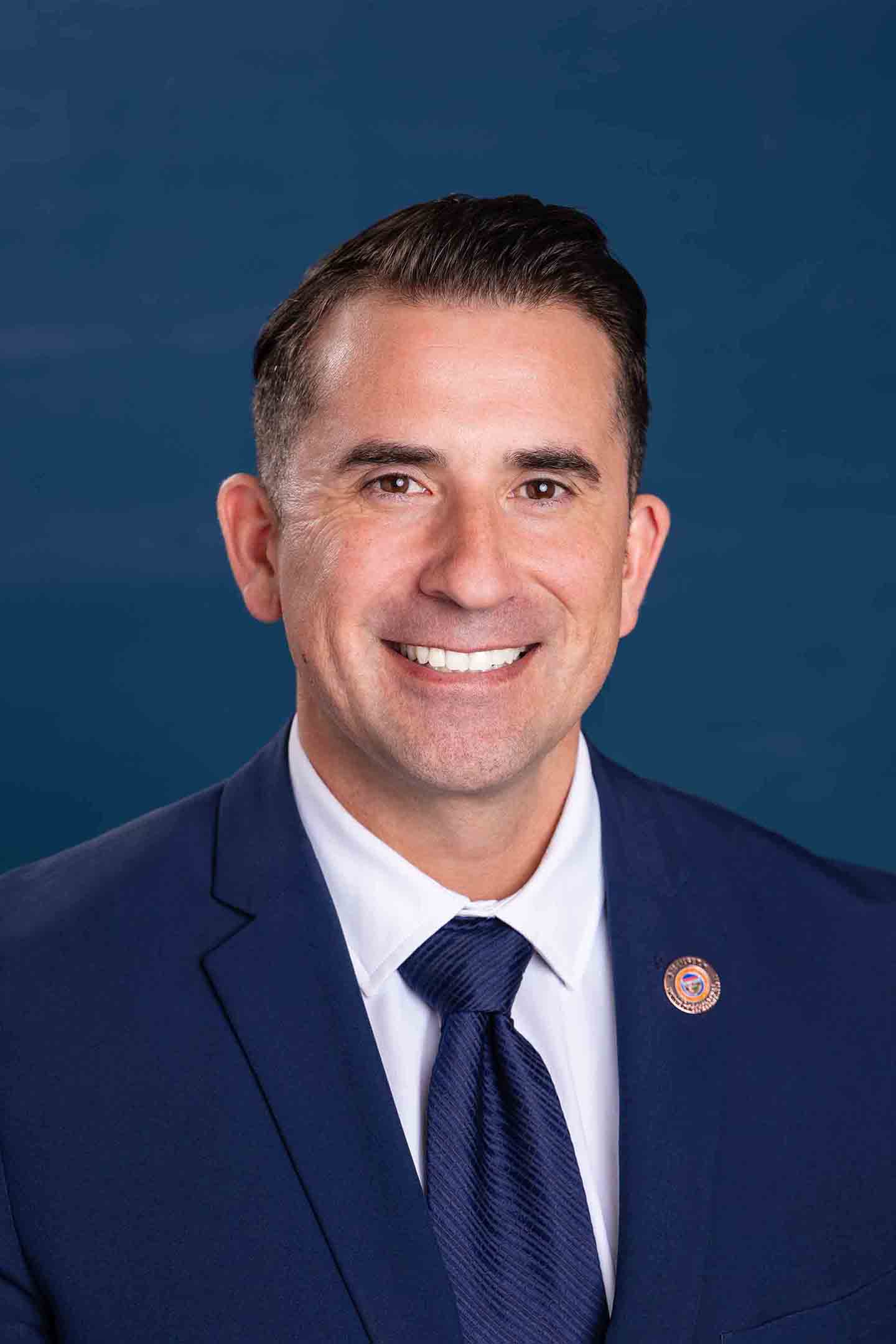
Aaron Marquez
House · District 5
|
D |
Strong −
|
0% | 6 |
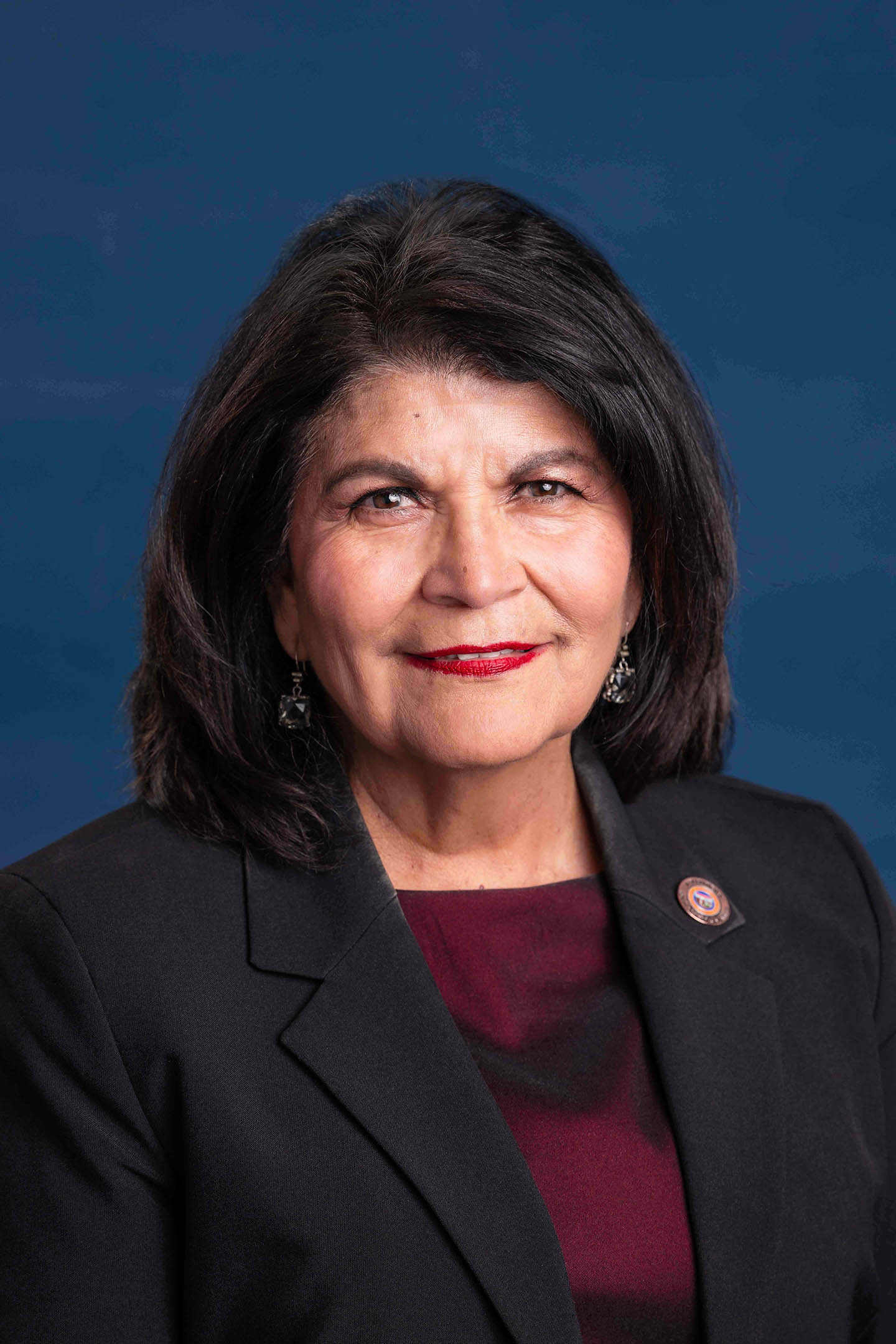
Betty Villegas
House · District 20
|
D |
Strong −
|
0% | 6 |

Brian Garcia
House · District 8
|
D |
Strong −
|
0% | 6 |
|
EL
Elda Luna-Nájera
House · District 22
|
D |
Strong −
|
0% | 6 |

Lorena Austin
House · District 9
|
D |
Strong −
|
0% | 6 |
Showing 31–40 of 41
bills
All education bills
HB 2240: tuition waiver; children; veterans; disabilities
Topics
✓ Budget & TaxesSupports Budget & TaxesBill allocates state budget funds for tuition waivers, directly increasing public education spending for specified groups.
✓ EducationSupports EducationBill provides tuition waivers for higher education at Arizona public universities/community colleges, expanding access for veterans' families and disabled Purple Heart recipients.
✓ VeteransSupports VeteransProvides tuition waivers for Purple Heart recipients (veterans) with 50%+ VA disability, expanding educational benefits for veterans.
SCR 1012: community college students; teachers academy
Topics
✓ Budget & TaxesSupports Budget & TaxesFunds teacher preparation programs via state scholarships, increasing public education spending without tax changes.
✓ EducationSupports EducationProvides tuition scholarships for teacher preparation programs, requiring teaching service in AZ public schools to strengthen educator pipeline and fund future teachers.
SB 1142: federal tax credit; authorization; scholarships
Topics
✓ Budget & TaxesSupports Budget & TaxesAuthorizes federal tax credit for education contributions, providing tax relief to contributors under federal law, aligning with tax relief indicators.
✓ EducationSupports EducationEnables tax credits for private scholarships funding K-12 education expenses, expanding access and private funding options for schools.
SB 1362: appropriation; resilience plan
Topics
✓ Budget & TaxesSupports Budget & TaxesAllocates $2M from Arizona's general fund for resilience planning, directly funding a state program through budget appropriation.
✓ EducationSupports EducationAllocates $2M to University of Arizona's consortium for resilience planning, directly funding higher education infrastructure without restricting educational operations.
✓ EnvironmentSupports EnvironmentBill funds $2M for climate resilience planning via University of Arizona, directly advancing environmental preparedness for climate challenges.
HB 2703: ESAs; micro-schools; ADE; reporting requirements.
HB 2461: employer surcharge; workforce development
Topics
✓ Budget & TaxesSupports Budget & TaxesCreates 1% payroll surcharge on businesses to fund workforce development programs, directly increasing tax revenue for public service funding.
✓ EducationSupports EducationFunds community college workforce training programs via payroll surcharge, directly supporting higher education access and workforce development through dedicated funding.
✓ Labor & EmploymentSupports Labor & EmploymentFunds community college workforce training programs via payroll surcharge, directly enhancing worker skills and employment opportunities under Labor & Employment standards.
HB 2572: in-state student status; nonimmigrant aliens
Topics
✓ EducationSupports EducationExpands in-state tuition access to qualifying nonimmigrant students (including undocumented students meeting residency), directly increasing educational access to Arizona public colleges.
✓ ImmigrationSupports ImmigrationExpands in-state tuition access for immigrant students meeting residency, including those without lawful status, supporting educational integration and access to state services.
HB 2298: higher education; increased costs; restrictions
Sub-Topics
Higher Education
HB 2616: tuition waivers; ABOR; community colleges
Topics
✓ EducationSupports EducationProvides tuition waivers for veterans' families at colleges, expanding educational access and funding for higher education through direct financial support.
✓ VeteransSupports VeteransEstablishes tuition waiver scholarship for veterans and military families, covering tuition costs for eligible veterans and dependents, directly expanding educational benefits.