Issue · Education

Education (Teachers)

Every education bill, vote, and legislator stance in Arizona, automatically classified by Maddy, our AI policy reader.

Total bills
24
57th Legislature - Second Regular Session
Top supporter
Chris Lopez
100% support rate
Top opponent
Cesar Aguilar
20% support rate
Ranked legislators
10
5 support · 5 oppose
Key legislators

Who's moving teachers in Arizona

Legislators moving teachers in Arizona
Legislator Party Stance Support rate Votes
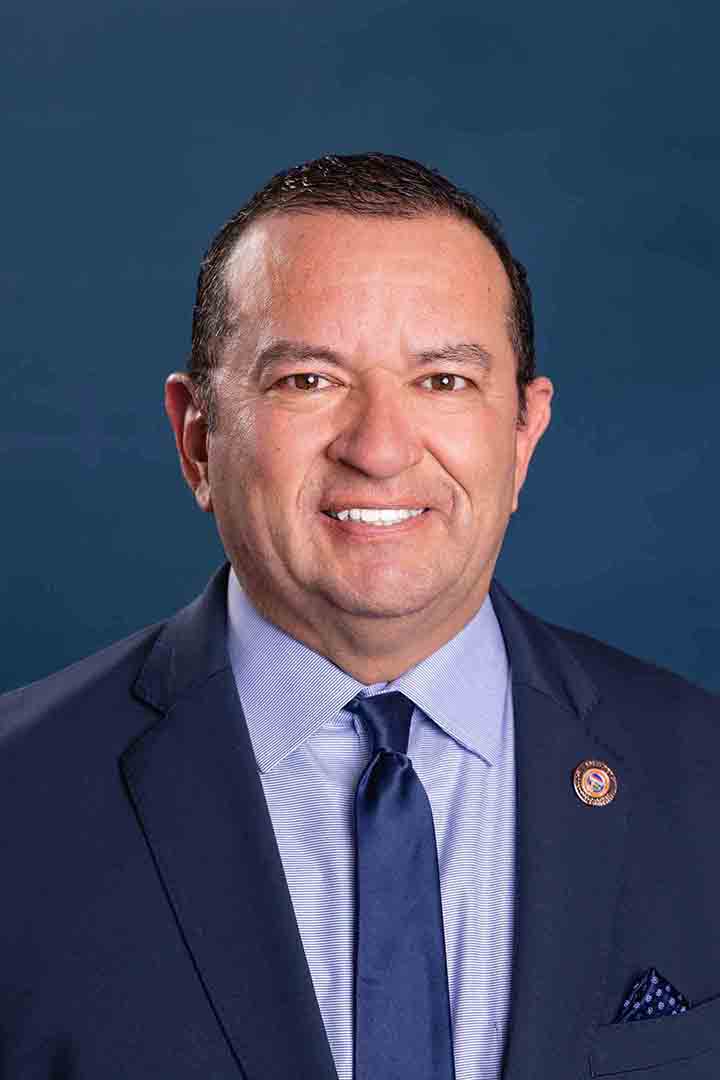
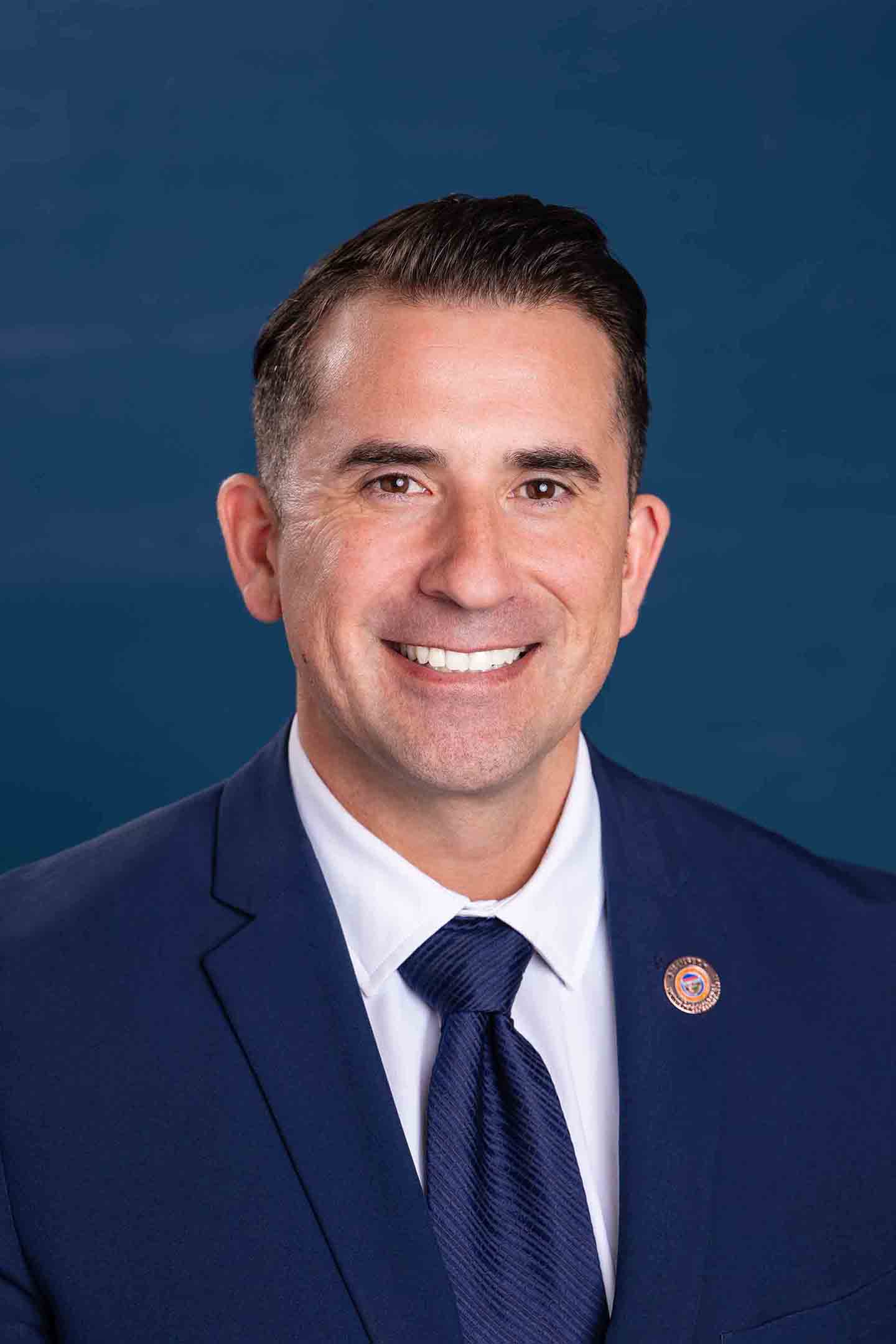
Chris Lopez
Chris Lopez House · District 16
R
Strong +
100% 6
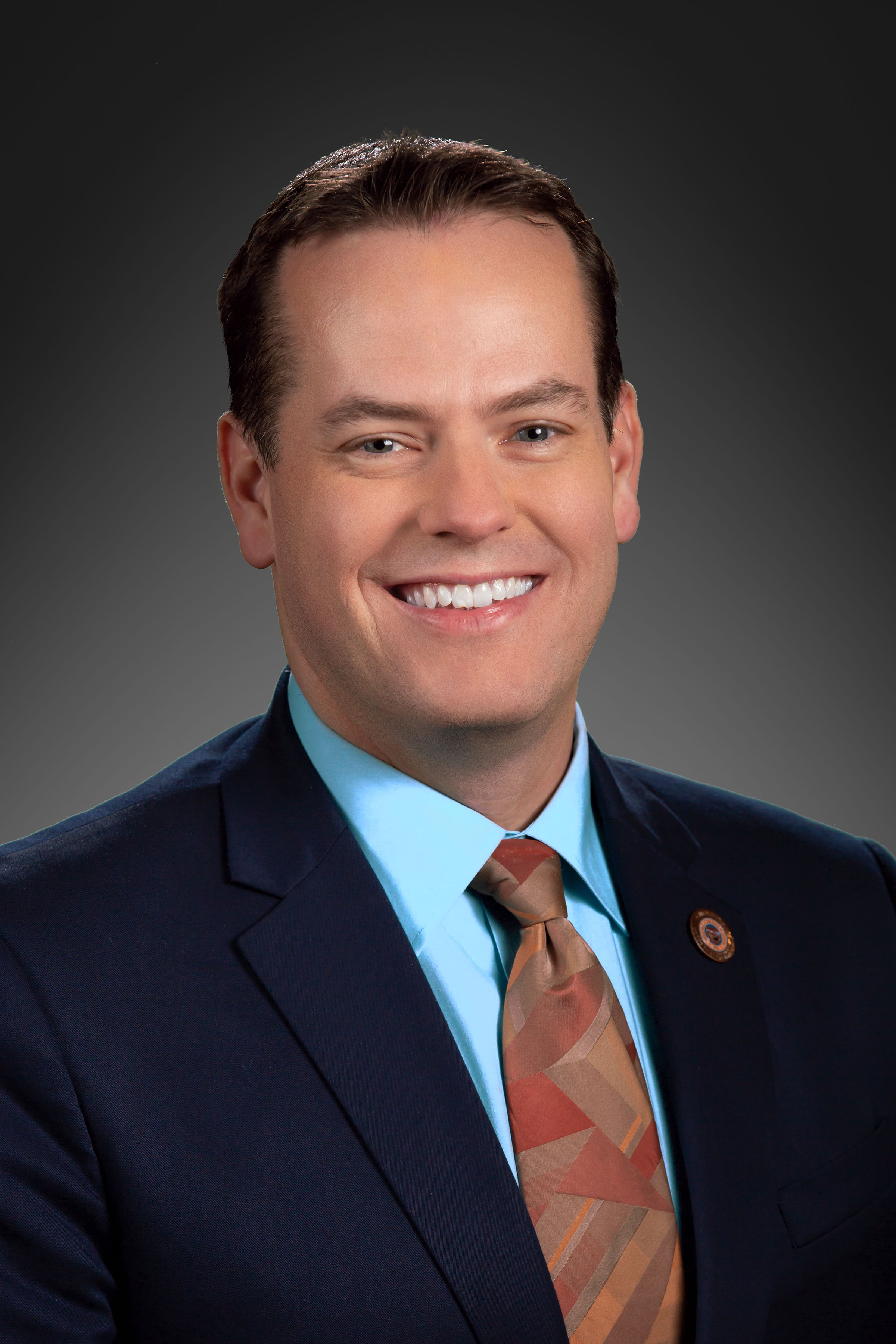
James Taylor
James Taylor House · District 29
R
Strong +
100% 6
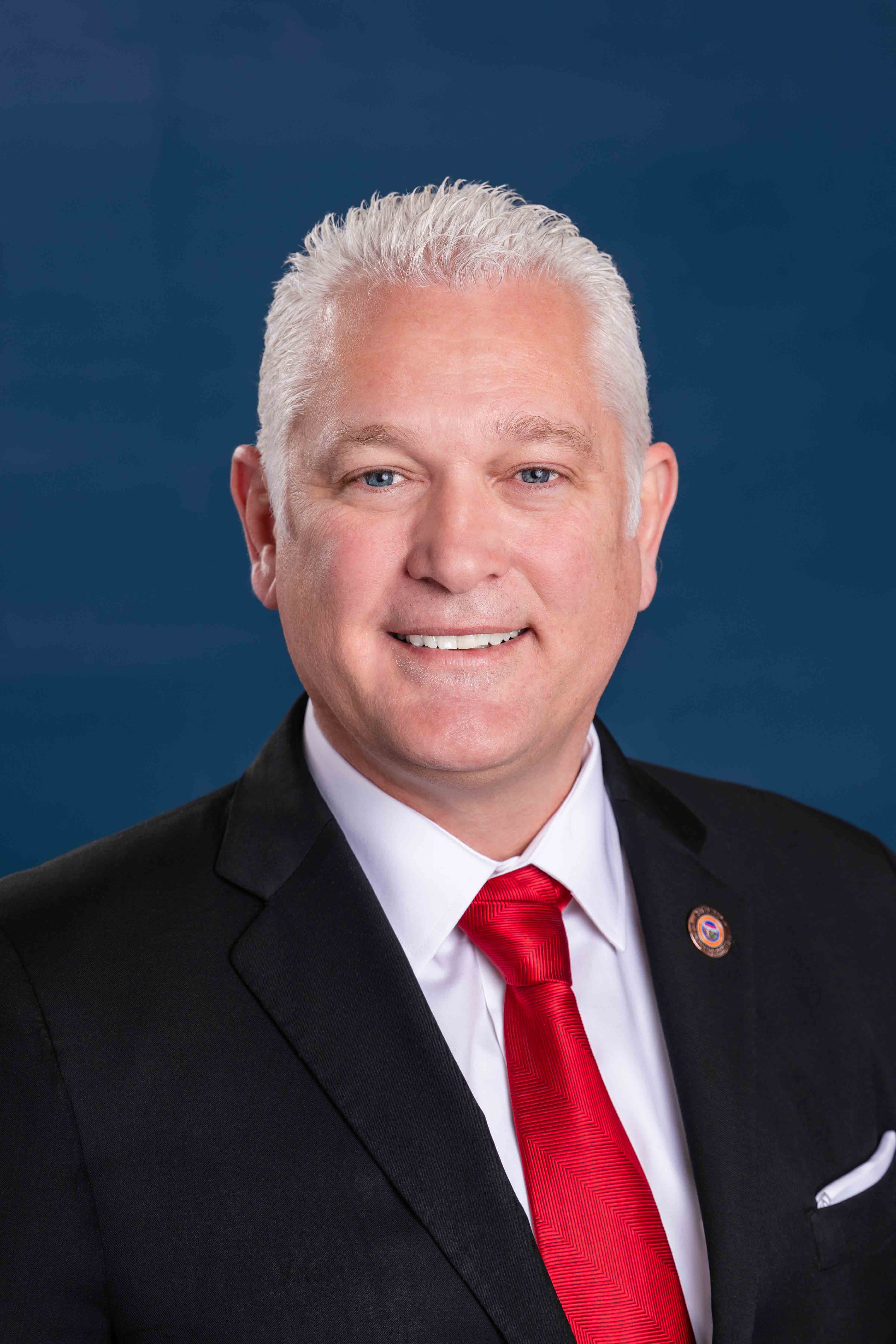
Jeff Weninger
Jeff Weninger House · District 13
R
Strong +
100% 6
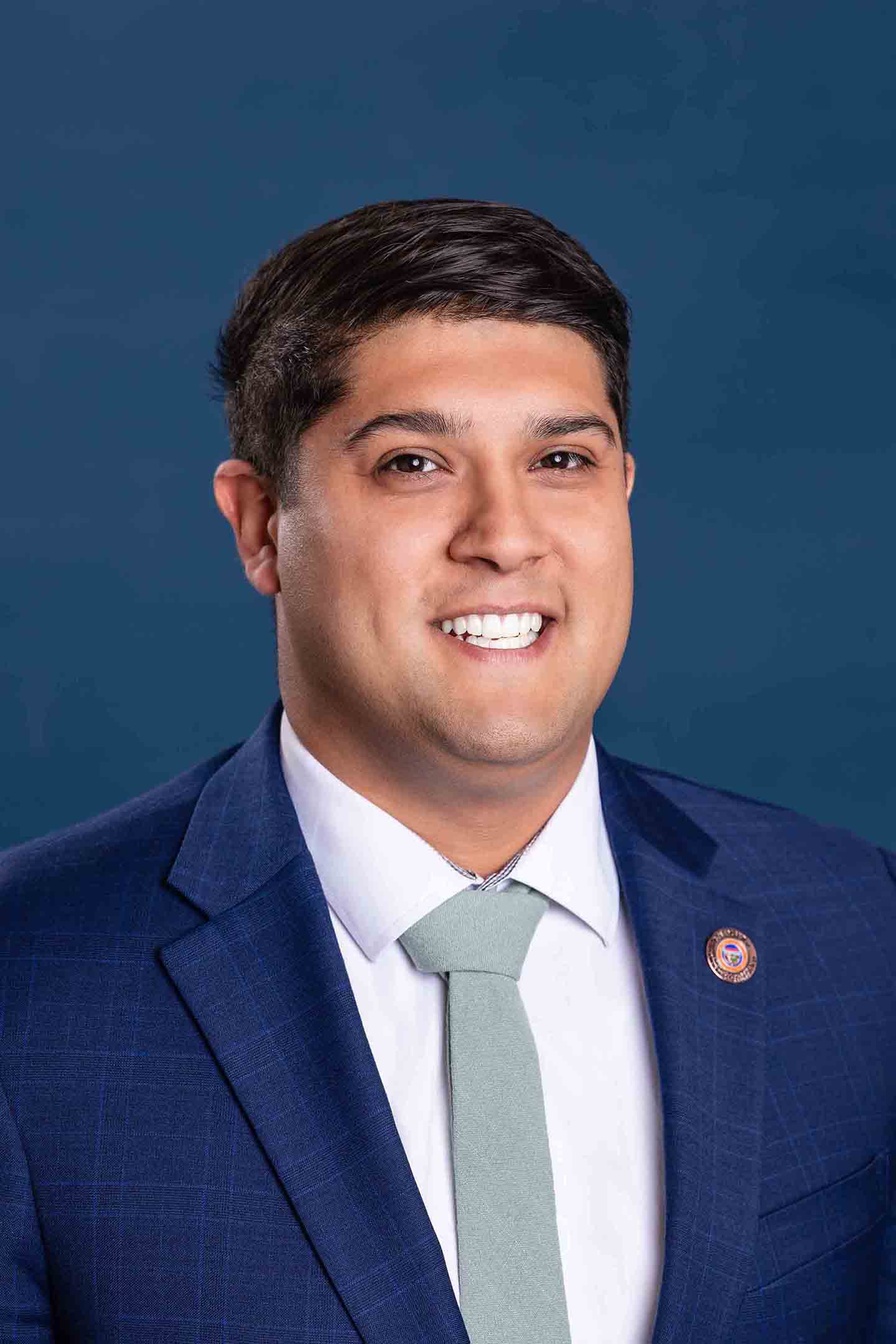
Justin Wilmeth
Justin Wilmeth House · District 2
R
Strong +
100% 6
Michael Carbone
Michael Carbone House · District 25
R
Strong +
100% 6
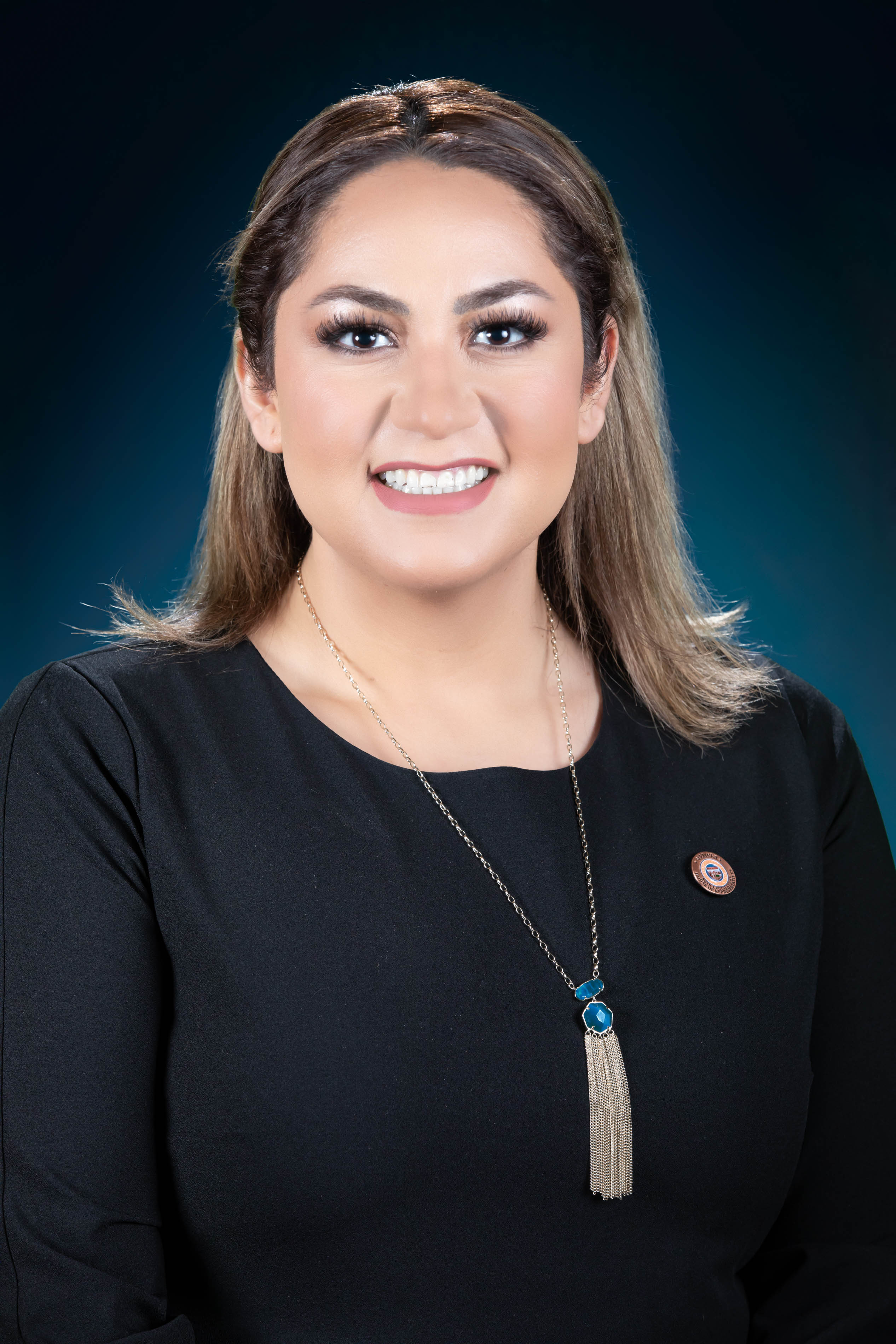
Cesar Aguilar
Cesar Aguilar House · District 26
D
Strong −
20% 5
Consuelo Hernandez
Consuelo Hernandez House · District 21
D
Strong −
20% 5
Stephanie Simacek
Stephanie Simacek House · District 2
D
Strong −
20% 5
Aaron Marquez
Aaron Marquez House · District 5
D
Oppose
33% 6
AH
Alma Hernández House · District 20
D
Oppose
33% 6
Showing 21–24 of 24 bills

All education bills

failed · Arizona · House Feb 26, 2026

HB 2478: Arizona commission on student outcomes

HB 2478 establishes the Arizona Commission on Student Outcomes to review the state's K-12 education system. The commission, composed of 10 appointed members including legislative leaders, education officials, and stakeholder representatives, will analyze school spending, identify outdated policies, examine teacher compensation barriers, and assess accountability systems. It must submit annual reports starting in 2027 and a final report in 2032 with recommendations to improve academic standards, assessments, graduation requirements, and school funding. The bill appropriates $1 million for the commission’s work and expires June 30, 2033. This directly affects Arizona’s public school system, educators, and students by shaping future education policy through evidence-based analysis.
introduced · Arizona · House Jan 26, 2026

HB 2583: ESAs; teacher qualifications; fingerprinting requirements

HB 2583 primarily updates fingerprinting requirements for education professionals in Arizona. It mandates that teachers, student teachers, charter school staff, and tutoring contractors submit identity-verified fingerprints through the Department of Public Safety for background checks. Key provisions include standardizing the fingerprint submission process, allowing school districts to contract with third parties for fingerprinting services, and creating a digital archive to avoid duplicate submissions for renewals. The bill also includes a separate section (Section 2) about Arizona empowerment scholarship accounts, which is unrelated to the fingerprinting requirements.
passed · Arizona · Senate Mar 31, 2026

SCR 1012: community college students; teachers academy

Arizona's SCR 1012 establishes the Arizona Teachers Academy to support future educators through tuition scholarships. Eligible community colleges and universities can offer teacher preparation programs, providing community college students with up to two years of tuition coverage (after other aid) in exchange for a commitment to teach one year in Arizona public schools after graduation. The program requires students to maintain academic standing and fulfill teaching obligations, with repayment required if commitments aren't met. Funding comes from a dedicated Arizona Teachers Academy Fund, supported by legislative appropriations and specific revenue streams, to cover scholarship gaps and support teacher certification.
introduced · Arizona · House Jan 22, 2026

HB 2635: full-day kindergarten students; ADM.

HB 2635 sets standards for Arizona online schools and course providers, focusing on curriculum quality, student safety, and teacher qualifications - not full-day kindergarten as the title suggests. It requires online schools to meet specific criteria (like filtered internet access, virtual learning tools, and partnerships with educational institutions) and mandates probationary status for new programs until academic improvements are proven. The bill also establishes rules for calculating average daily membership (ADM) and funding: full-time online students receive 95% of standard funding, while part-time students receive 85%, with strict limits on how attendance hours can be counted across traditional and online programs. These provisions directly affect Arizona public schools, charter schools, and online education providers participating in the state’s virtual learning programs.
Showing 21 to 24 of 24 bills