Issue · Education

Education (Higher Education)

Every education bill, vote, and legislator stance in Arizona, automatically classified by Maddy, our AI policy reader.

Total bills
41
57th Legislature - Second Regular Session
Top supporter
Alex Kolodin
100% support rate
Top opponent
Aaron Marquez
0% support rate
Ranked legislators
10
5 support · 5 oppose
Key legislators

Who's moving higher education in Arizona

Legislators moving higher education in Arizona
Legislator Party Stance Support rate Votes
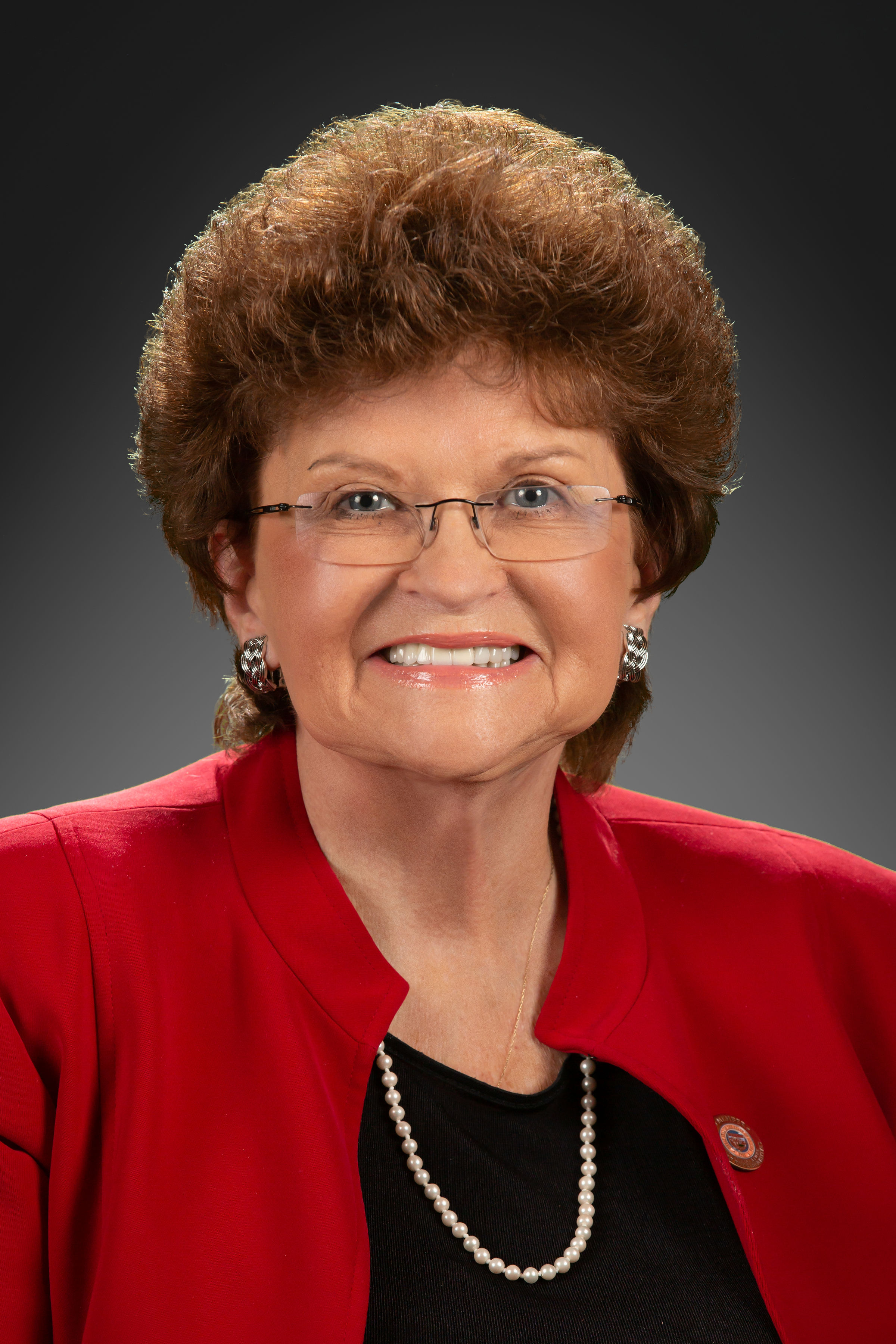
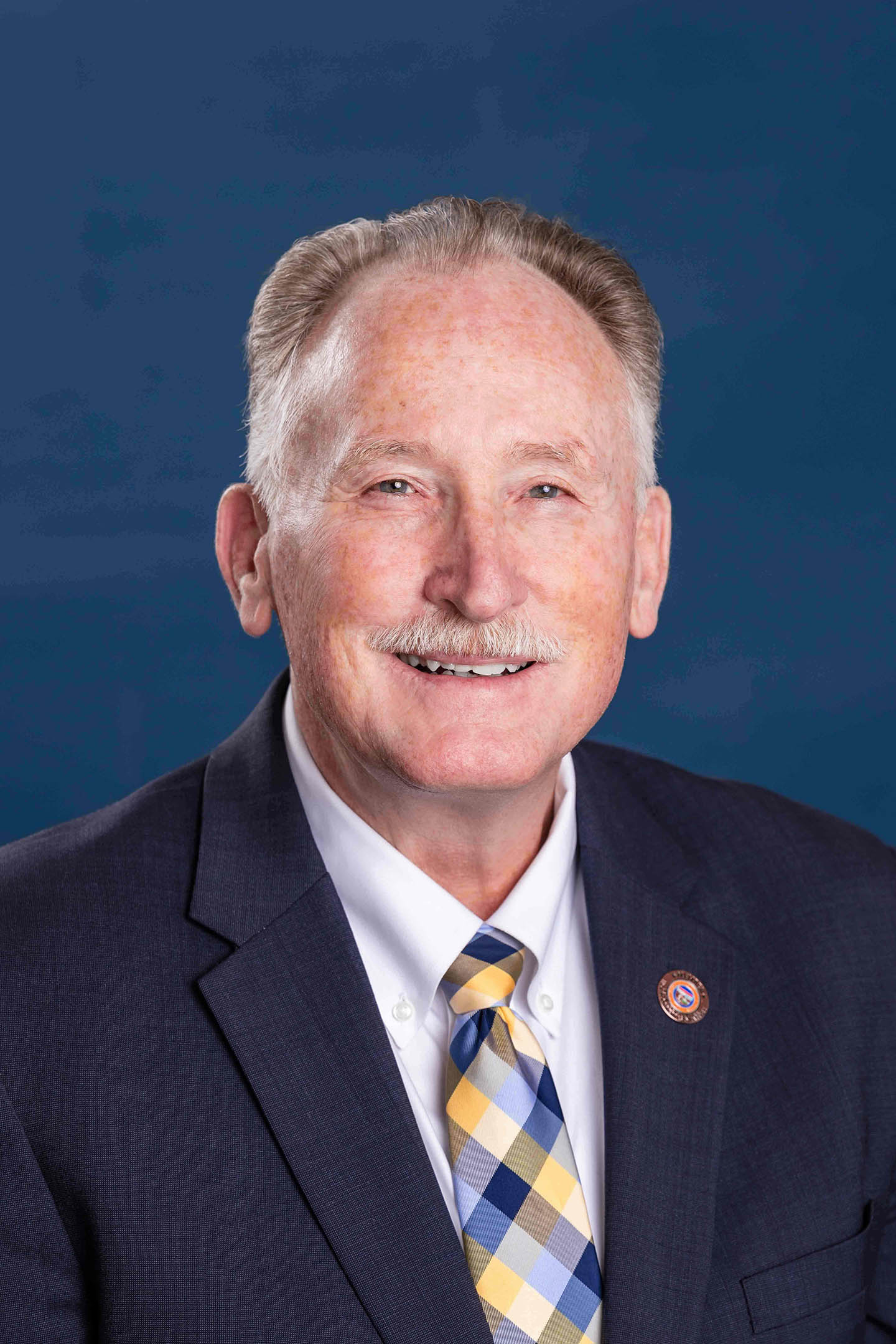
Alex Kolodin
Alex Kolodin House · District 3
R
Strong +
100% 6
Beverly Pingerelli
Beverly Pingerelli House · District 28
R
Strong +
100% 6
Gail Griffin
Gail Griffin House · District 19
R
Strong +
100% 6
Justin Olson
Justin Olson House · District 10
R
Strong +
100% 6
Khyl Powell
Khyl Powell House · District 14
R
Strong +
100% 6
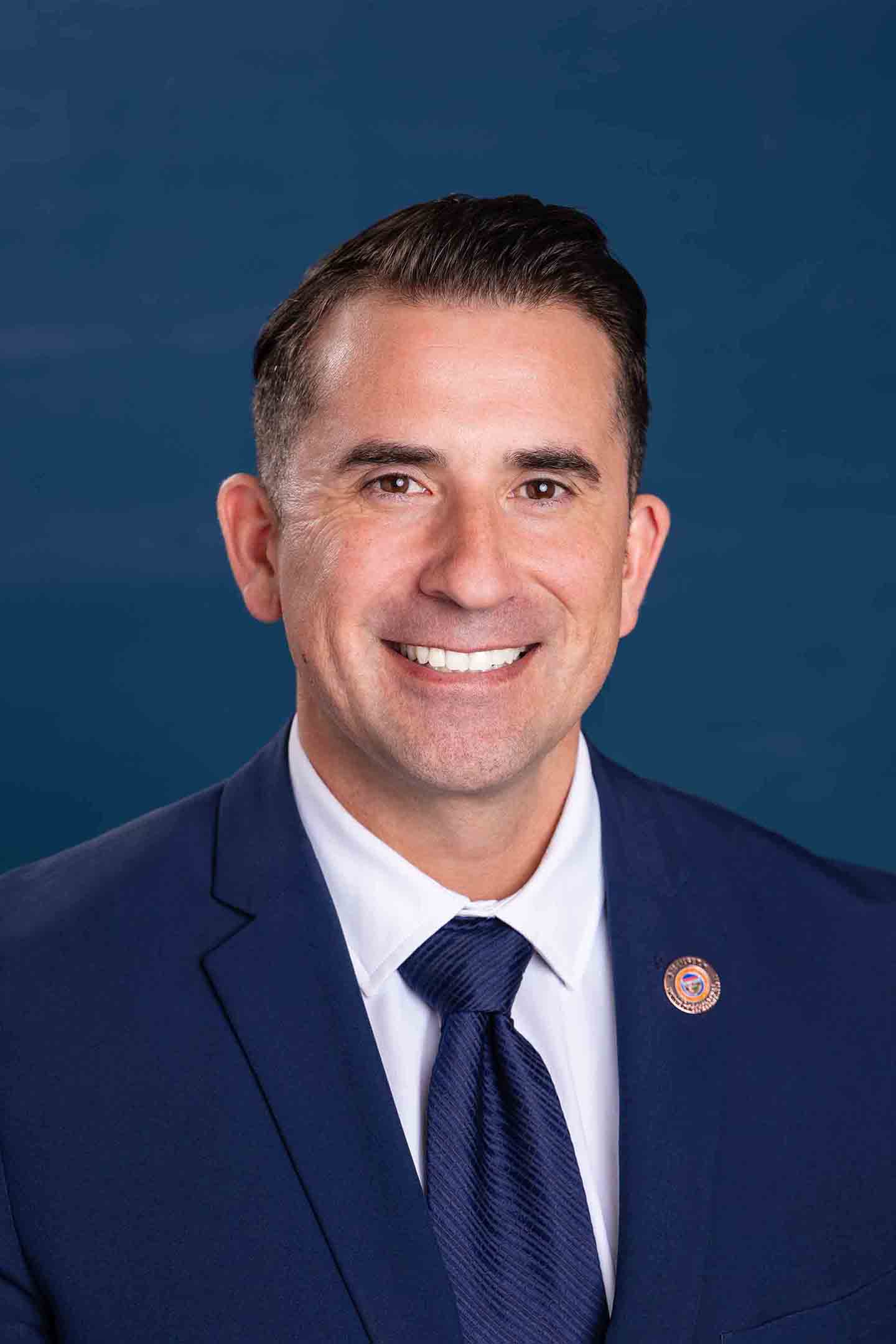
Aaron Marquez
Aaron Marquez House · District 5
D
Strong −
0% 6
Betty Villegas
Betty Villegas House · District 20
D
Strong −
0% 6
Brian Garcia
Brian Garcia House · District 8
D
Strong −
0% 6
EL
Elda Luna-Nájera House · District 22
D
Strong −
0% 6
Lorena Austin
Lorena Austin House · District 9
D
Strong −
0% 6
Showing 21–30 of 41 bills

All education bills

introduced · Arizona · House Jan 21, 2026

HB 2719: special plate; community college success

HB 2719 creates a new "Community College Access and Success Special Plate" program for Arizona vehicle owners. To obtain these plates, individuals must pay a one-time $32,000 fee to the Department of Transportation (with plate design approval), plus a $25 annual fee. Of the $25 fee, $17 annually funds a dedicated "Community College Access and Success Special Plate Fund" supporting community college programs, while $8 covers administration. This directly affects vehicle owners who choose to purchase these plates, with the funds benefiting Arizona's community college system through the new dedicated fund.
Sub-Topics Higher Education
introduced · Arizona · House Jan 20, 2026

HB 2216: high schools; trade diploma program

HB 2216 creates a "trade pathways diploma program" for Arizona high school students pursuing construction, electrical, plumbing, mechanical, or utility-infrastructure careers. It requires the state board of education to establish the program by 2027, allowing students to earn graduation credits through career-technical courses, paid internships, registered apprenticeships, or community college classes - while limiting math/science requirements to two credits each. The bill mandates annual reporting on student participation, credentials earned, employer retention rates, and wages, with data submitted to state leaders starting in 2030. This directly affects high school students, school districts, community colleges, and employers offering work-based learning opportunities.
introduced · Arizona · Senate Jan 27, 2026

SB 1360: ESAs; contract renewal; account closure

SB 1360 amends Arizona's Empowerment Scholarship Account (ESA) program to clarify eligible uses of funds and renewal requirements. It specifies that ESA funds can cover tuition at qualified schools, textbooks, educational therapies, tutoring, online programs, transportation, and certain postsecondary expenses. Parents must agree not to use other scholarships concurrently and must complete annual education plans for students nearing age 22 to maintain eligibility. The bill directly affects Arizona parents enrolled in the ESA program who receive state-funded scholarship accounts for their children's education.
introduced · Arizona · Senate Feb 2, 2026

SB 1483: appropriation; Navajo technical university; laboratory

SB 1483 appropriates $8 million from Arizona's state general fund for fiscal year 2026-2027 to Navajo Technical University (NTU) to survey, design, build, and equip an environmental testing laboratory. This funding directly supports NTU's infrastructure development and will enable the university to provide environmental testing services, primarily benefiting Navajo communities and related environmental initiatives. The bill specifies the funds are exempt from standard appropriation lapse rules under Arizona law. The bill is currently in early legislative stages (Senate First and Second Readings as of February 2026).
introduced · Arizona · Senate Feb 3, 2026

SB 1521: appropriation; Diné College; remedial education

SB 1521 appropriates $1,000,000 from Arizona's state general fund for the 2026-2027 fiscal year to Diné College specifically for its remedial education programs. This funding directly supports Diné College students who need academic assistance to succeed in college-level coursework. The bill exempts this appropriation from standard state rules requiring unused funds to lapse, ensuring the money remains available for its intended purpose. The measure focuses solely on providing dedicated state funding for remedial education at Diné College, with no additional policy changes or broader implications.
passed both · Arizona · Senate Apr 16, 2026

SB 1413: technical correction; veterans; tuition deferment

SB 1413 amends Arizona law to clarify and update the existing veterans' tuition deferment program. It allows eligible veterans to defer payment for tuition, fees, and required books/materials for up to 120 days while awaiting federal VA education benefits, requiring only a no-interest promissory note. If VA benefits haven't arrived by the 120-day deadline, the deferment may be extended until benefits are received. Colleges may withhold grades or transfer credits until the deferred amount is paid. This bill directly affects veterans enrolled in Arizona state colleges or universities who are waiting for VA benefit disbursements.
passed · Arizona · House Feb 26, 2026

HB 2500: supplemental appropriation; ESA administration

HB 2500 provides an additional $1,000,000 and 12 full-time positions from the state general fund for fiscal year 2025-2026 to the Arizona superintendent of public instruction. This funding is specifically for administering the Arizona Empowerment Scholarship Account (ESA) program, which allows families to use public funds for private school tuition or educational services. The bill directly affects the superintendent's office and the ESA program's operations, adding resources to manage the existing scholarship initiative. It does not change eligibility or benefit amounts but ensures the program has dedicated staffing and funding for administration.
introduced · Arizona · House Jan 21, 2026

HB 2432: appropriation; Yavapai community college; health

HB 2432 appropriates $10 million from Arizona's state general fund for Yavapai College's health sciences division during fiscal year 2026-2027. The funds are specifically designated for the college's health sciences programs and are exempt from standard appropriation lapsing rules until June 30, 2030. This means the college can use the full amount without it expiring before 2030, providing longer-term financial certainty for these programs. The bill directly affects Yavapai College and its health sciences division by securing dedicated funding for their operations. It is a straightforward funding measure with no policy changes beyond the allocation and spending timeline.
signed · Arizona · House Apr 7, 2026

HB 2255: teachers academy; community college students

HB 2255 establishes Arizona's Teachers Academy to support students pursuing teaching careers. Community college students in teacher preparation programs can receive scholarships covering tuition and fees for up to two years (four semesters) if they agree to teach in Arizona public schools for one year per year of scholarship support. The program prioritizes high-demand areas like special education, STEM, rural schools, and low-income districts, with scholarships requiring repayment if the teaching commitment isn't fulfilled. The initiative is funded through state appropriations and aims to address teacher shortages by linking financial aid to service in Arizona schools.
introduced · Arizona · House Jan 21, 2026

HB 2297: financial aid; private scholarships; requirements

HB 2297, the "Arizona Ban on Scholarship Displacement Act of 2026," prevents Arizona public colleges and universities from reducing a student's free financial aid (like grants or scholarships not requiring repayment) if the student receives a private scholarship. Specifically, institutions cannot lower gift aid because of a private scholarship, except when the gift aid exceeds the student's actual cost of attendance (tuition, fees, books, living expenses, etc.). The bill also prohibits schools from factoring private scholarships into financial aid decisions. It directly affects Arizona public universities and community colleges (under the Arizona Board of Regents or community college system) and students receiving private scholarships from non-governmental sources.
Showing 21 to 30 of 41 bills
Previous 1 2 3 4 5 Next