Issue · Education

Education (K-12 Education)

Every education bill, vote, and legislator stance in Arizona, automatically classified by Maddy, our AI policy reader.

Total bills
38
57th Legislature - Second Regular Session
Top supporter
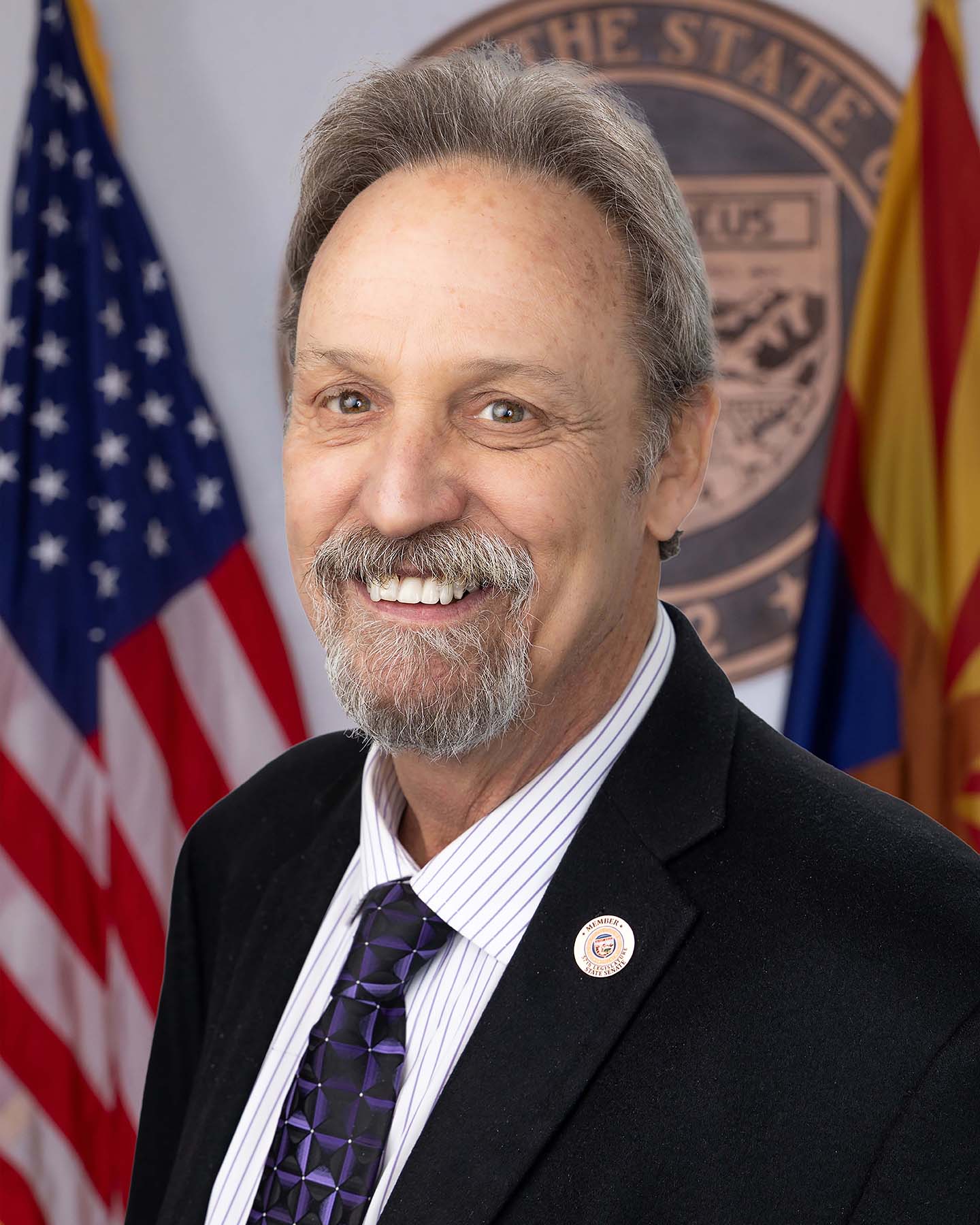
Kevin Payne
100% support rate
Top opponent
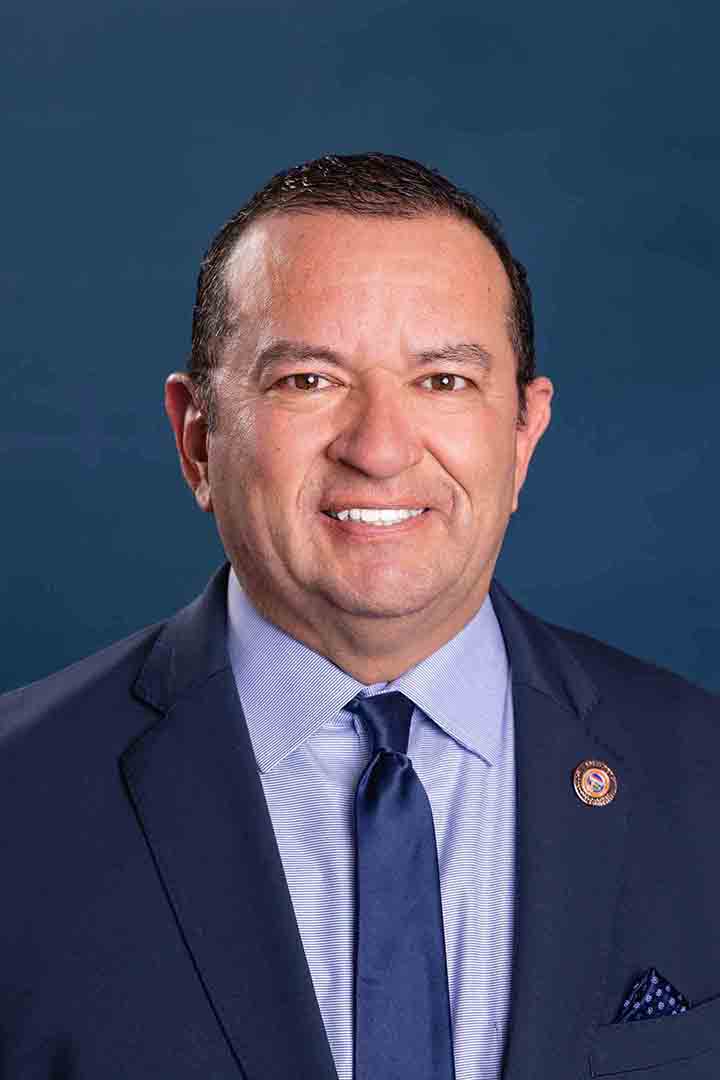
Cesar Aguilar
25% support rate
Ranked legislators
10
5 support · 5 oppose
Key legislators

Who's moving k-12 education in Arizona

Legislators moving k-12 education in Arizona
Legislator Party Stance Support rate Votes
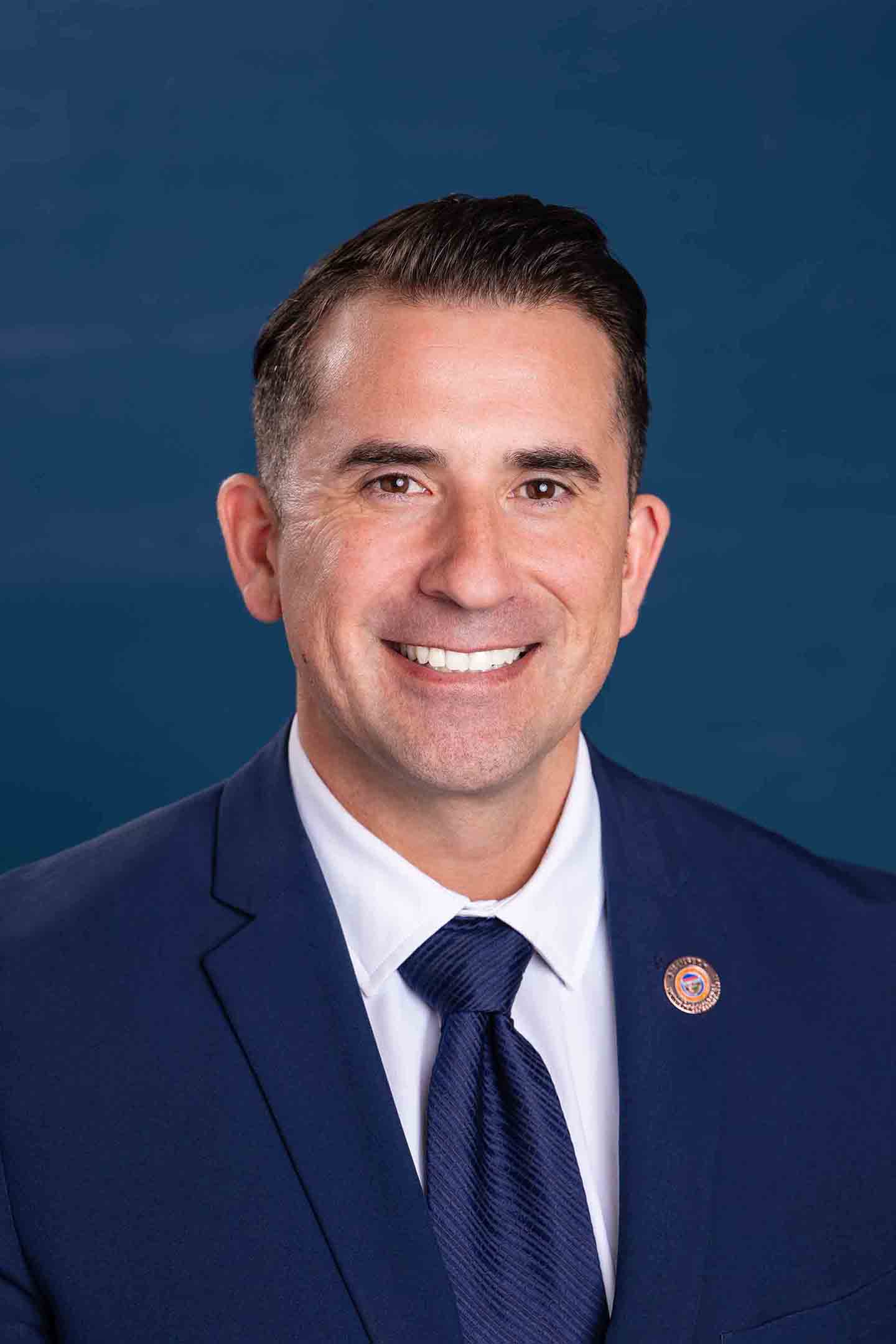
Kevin Payne
Kevin Payne Senate · District 27
R
Strong +
100% 6
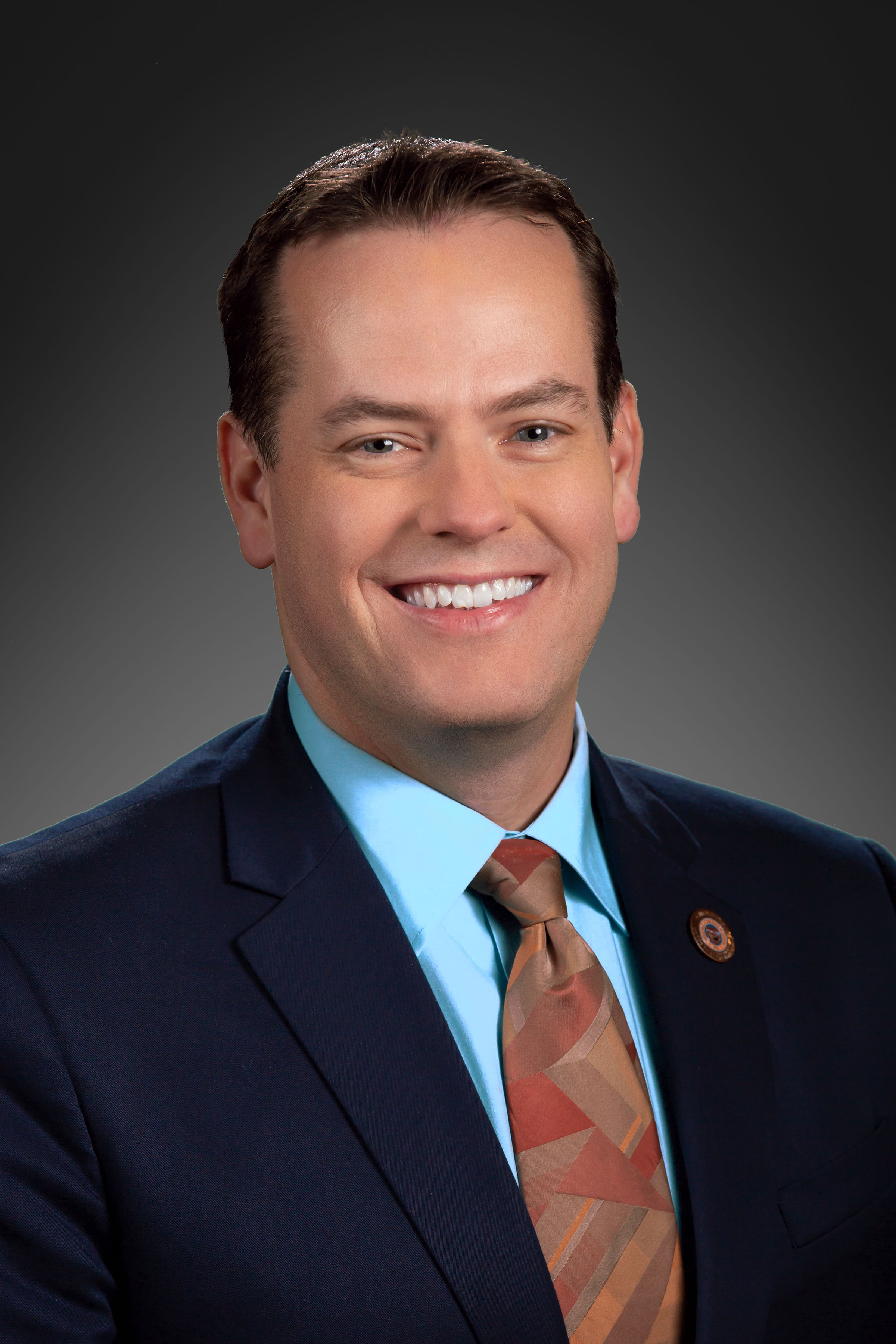
Chris Lopez
Chris Lopez House · District 16
R
Strong +
90% 10
Jeff Weninger
Jeff Weninger House · District 13
R
Strong +
90% 10
Julie Willoughby
Julie Willoughby House · District 13
R
Strong +
90% 10
Justin Wilmeth
Justin Wilmeth House · District 2
R
Strong +
90% 10
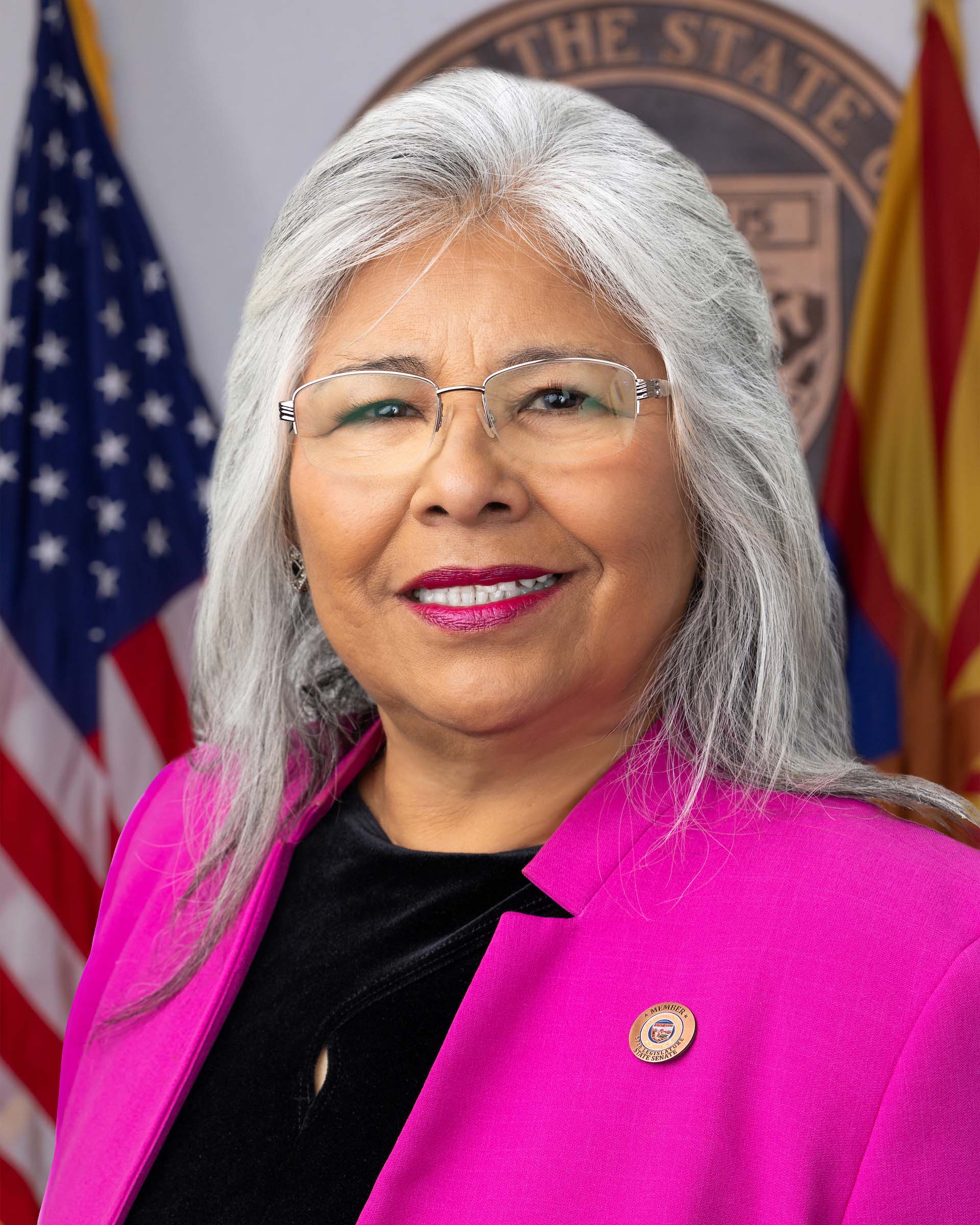
Cesar Aguilar
Cesar Aguilar House · District 26
D
Oppose
25% 8
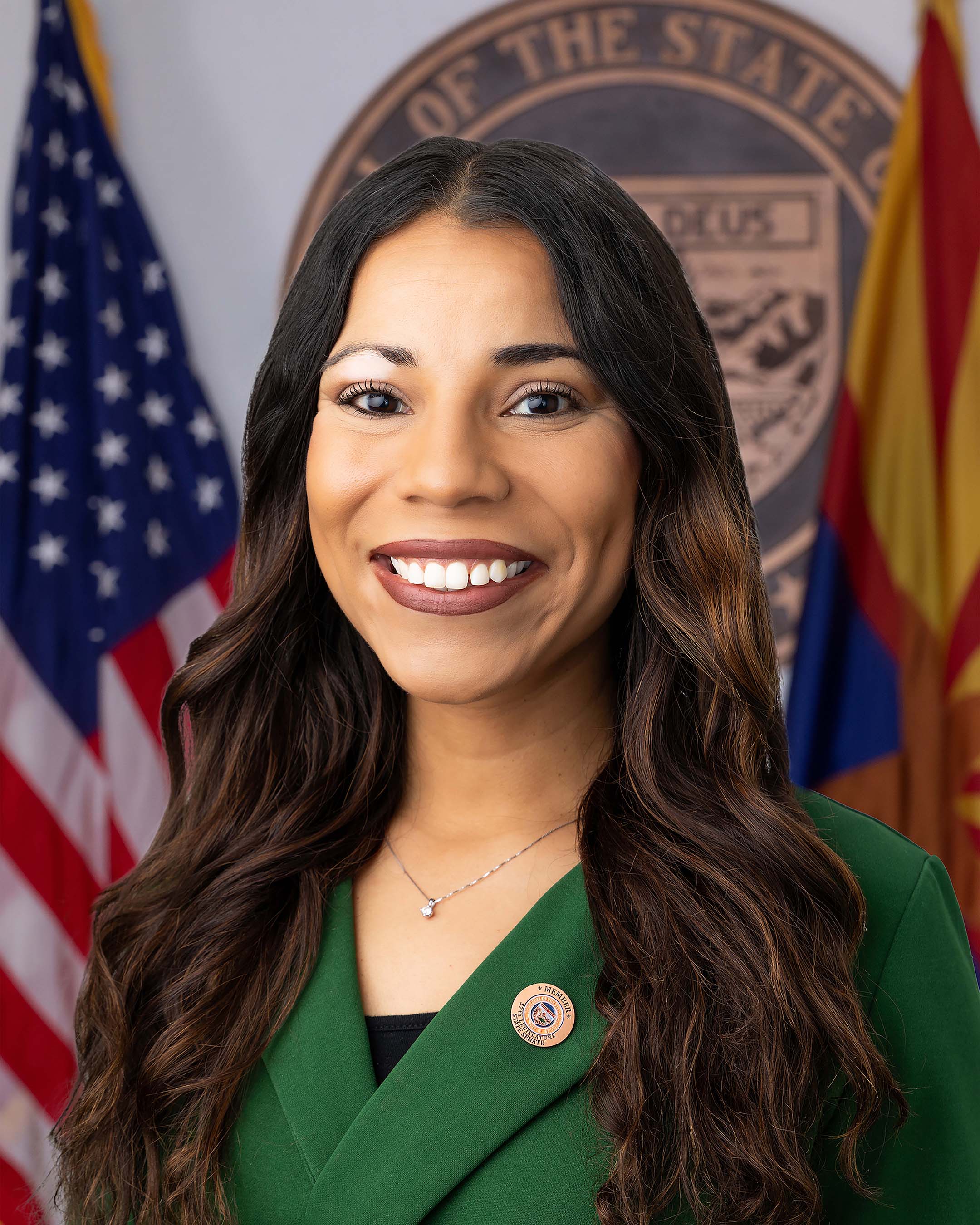
Analise Ortiz
Analise Ortiz Senate · District 24
D
Oppose
29% 7
Sally Gonzales
Sally Gonzales Senate · District 20
D
Oppose
29% 7
Aaron Marquez
Aaron Marquez House · District 5
D
Oppose
30% 10
Brian Garcia
Brian Garcia House · District 8
D
Oppose
30% 10
Showing 11–20 of 38 bills

All education bills

introduced · Arizona · Senate Feb 9, 2026

SB 1706: full-day kindergarten students; ADM

SB 1706 establishes standards for Arizona's online instruction programs. It requires online schools to meet specific criteria for curriculum, student safety, and teacher qualifications before approval, and places new online schools on probation for up to three years until they demonstrate academic improvement. The bill mandates annual reporting to the state education department on student performance and daily attendance logs, and sets funding rules: full-time online students receive 95% of standard funding, while part-time students receive 85%. It directly affects online schools, students enrolled in virtual programs, and school districts managing hybrid enrollment. The bill does not relate to full-day kindergarten as implied by its title, but instead focuses on online education accountability and funding.
introduced · Arizona · Senate Feb 9, 2026

SB 1693: school district superintendents; certification; requirements

SB 1693 (correcting the title discrepancy) primarily updates teacher certification rules, not superintendent requirements. It requires all teachers providing literacy instruction in kindergarten through grade 5 to obtain a literacy endorsement by specific deadlines (2028 for current teachers, within three years of certification for new teachers starting August 2025). The endorsement mandates evidence-based science of reading training covering foundational skills, high-quality materials, and interventions for reading deficiencies (including dyslexia). Teachers may bypass formal coursework through local district verification using classroom observations and student data, and the bill explicitly prohibits requiring a master's degree for certification.
introduced · Arizona · Senate Feb 9, 2026

SB 1800: income tax; additional rate; schools

SB 1800 establishes a new 2.6% income tax rate on earnings exceeding $1 million for high-income earners in Arizona, effective for taxable years beginning after December 31, 2026. Revenue from this tax is deposited into a dedicated K-12 infrastructure fund, specifically for repairing and renewing public school buildings, including systems like HVAC, plumbing, and electrical. The bill requires these funds to supplement - never replace - existing school construction budgets. Its goal is to ensure all public schools have safe, functional facilities meeting state learning standards, with the tax rate adjusted every five years based on median income tax data.
introduced · Arizona · Senate Feb 18, 2026

SB 1571: school district budgets; two years

SB 1571 allows common school districts and high school districts with overlapping boundaries to form unified districts without requiring a public vote. It mandates that school boards provide property tax estimates to households for different home values before unification, ensures teachers’ salaries and experience are preserved in the new district, and establishes a five-member governing board with staggered terms (two members serving two-year terms initially). The bill also requires unified districts to maintain existing tax overrides until expiration and adjust student enrollment counts for state funding based on the combined districts. This affects school districts, teachers, and property owners in Arizona by changing how districts merge and manage budgets.
introduced · Arizona · House Jan 21, 2026

HB 2685: appropriation; K-12 mental health; telehealth

HB 2685 allocates $5 million from a consumer restitution fund to provide three-year grants for up to three telehealth mental health providers serving Arizona K-12 schools. The grants fund providers who offer free, evidence-based mental health services (like therapy for anxiety and depression) via telehealth during school hours, coordinate with school staff, and serve all students regardless of insurance or payment ability. Providers must meet specific criteria, including not having received prior state funding for similar services and demonstrating capacity to serve diverse communities from urban to tribal schools. The funding is exempt from standard appropriation lapsing rules until June 2029. This bill directly affects Arizona public school students by expanding access to in-school mental health support through telehealth.
introduced · Arizona · House Jan 21, 2026

HB 2626: child care workforce; scholarship program

HB 2626 creates a state-funded scholarship program for child care workers in Arizona earning below 85% of the state median income. It directly affects teachers, educators, and support staff at department-contracted child care providers, preschools, kindergartens, and K-12 schools. The program provides $200 million in state funding for fiscal year 2026-2027, with scholarship money paid directly to child care providers (not individual workers) on a first-come, first-served basis. This aims to support workforce retention by covering costs for eligible providers.
signed · Arizona · Senate Apr 7, 2026

SB 1166: accommodation schools; high school equivalency

SB 1166 allows Arizona county school superintendents to offer high school equivalency preparation instruction through accommodation schools to students in grades 10-12 who are at least 16 years old. Students must have written parental consent (or self-consent if emancipated) and must also enroll in a career or technical education program leading to a certification, license, or credential. The bill defines "high school equivalency preparation instruction" as coursework preparing students to pass the state-administered equivalency test. This policy change directly affects older high school students seeking an alternative to traditional graduation pathways.
introduced · Arizona · House Jan 21, 2026

HB 2890: appropriation; Ganado unified school district

HB 2890 appropriates $12.772 million from Arizona's state general fund for the 2026-2027 fiscal year to fund specific safety and maintenance projects at Ganado Unified School District (located on the Navajo Nation). The funds are allocated for a district-wide fire alarm system ($6 million), HVAC replacement ($6 million), vape sensors ($20,000), transportation exit improvements ($12,000), and flooring at Ganado High School and primary school ($250,000 each, plus $240,000 for primary school stairs). This bill directly affects Ganado Unified School District students, staff, and facilities by providing targeted funding for critical infrastructure upgrades. The legislation is purely financial with no new policy requirements, directing existing state funds to address identified facility needs.
introduced · Arizona · House Jan 20, 2026

HB 2216: high schools; trade diploma program

HB 2216 creates a "trade pathways diploma program" for Arizona high school students pursuing construction, electrical, plumbing, mechanical, or utility-infrastructure careers. It requires the state board of education to establish the program by 2027, allowing students to earn graduation credits through career-technical courses, paid internships, registered apprenticeships, or community college classes - while limiting math/science requirements to two credits each. The bill mandates annual reporting on student participation, credentials earned, employer retention rates, and wages, with data submitted to state leaders starting in 2030. This directly affects high school students, school districts, community colleges, and employers offering work-based learning opportunities.
introduced · Arizona · Senate Jan 14, 2026

SB 1101: pilot programs; STEM teachers; districts

SB 1101 establishes a pilot program providing paid summer internships and professional development for STEM and vocational teachers in specific Arizona high school districts. Eligible districts must serve grades 9-12 with at least 25,000 students (75% qualifying for free/reduced lunch, 80% Hispanic), operate 24+ sites in high-population counties, and offer bioscience/coding programs. Participating schools must partner with nonprofits to provide teachers with $6,000 summer stipends, industry internships, and professional development over three years. The program requires districts to submit quarterly and annual reports tracking teacher retention, student performance in STEM courses, business partnerships, and budget usage.
Showing 11 to 20 of 38 bills
Previous 1 2 3 4 Next