Issue · Education

Education

Every education bill, vote, and legislator stance in Arizona, automatically classified by Maddy, our AI policy reader.

Total bills
190
57th Legislature - Second Regular Session
Top supporter
James Taylor
84% support rate
Top opponent
Brian Garcia
25% support rate
Ranked legislators
10
5 support · 5 oppose
Key legislators

Who's moving education in Arizona

Legislators moving education in Arizona
Legislator Party Stance Support rate Votes
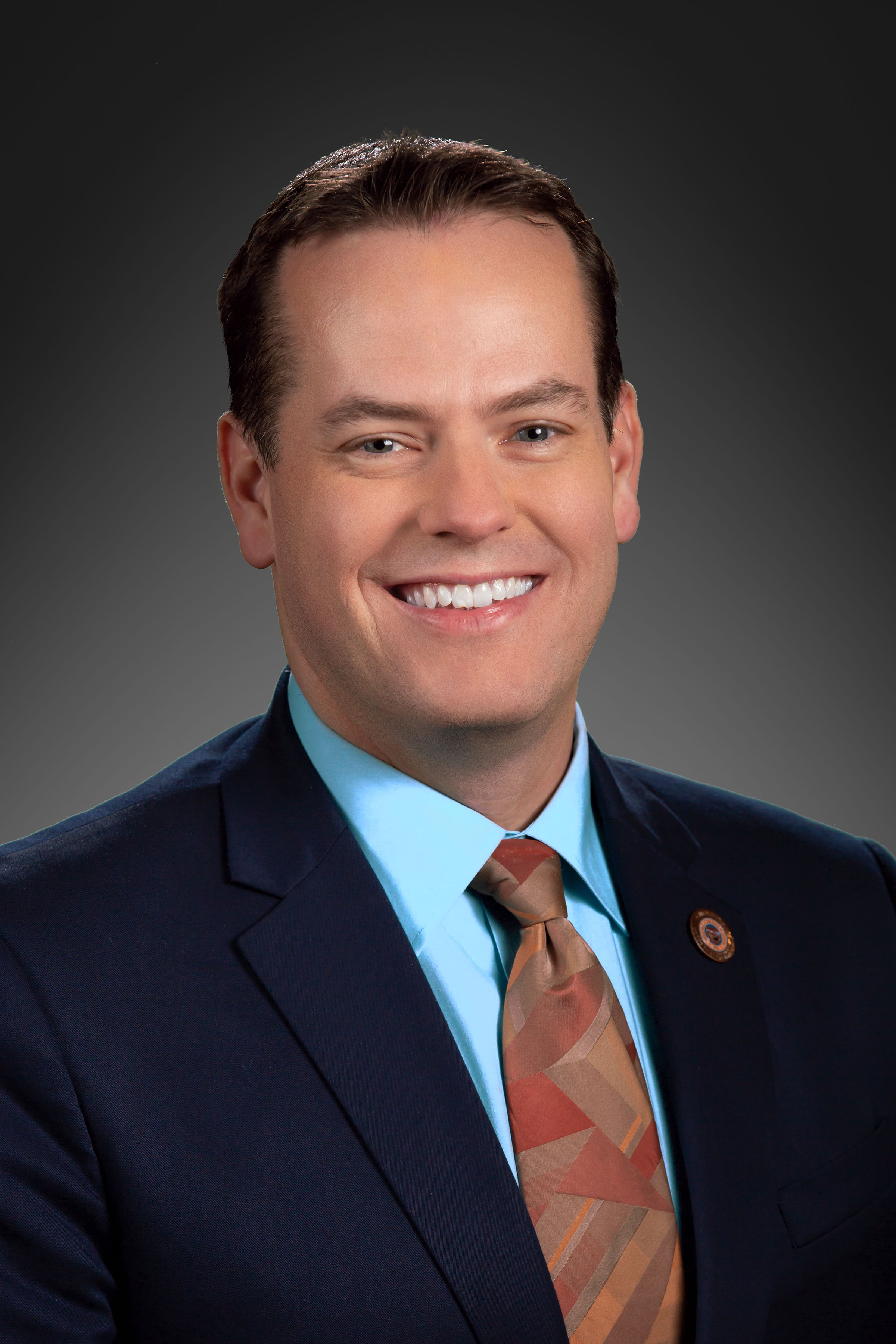
James Taylor
James Taylor House · District 29
R
Strong +
84% 207
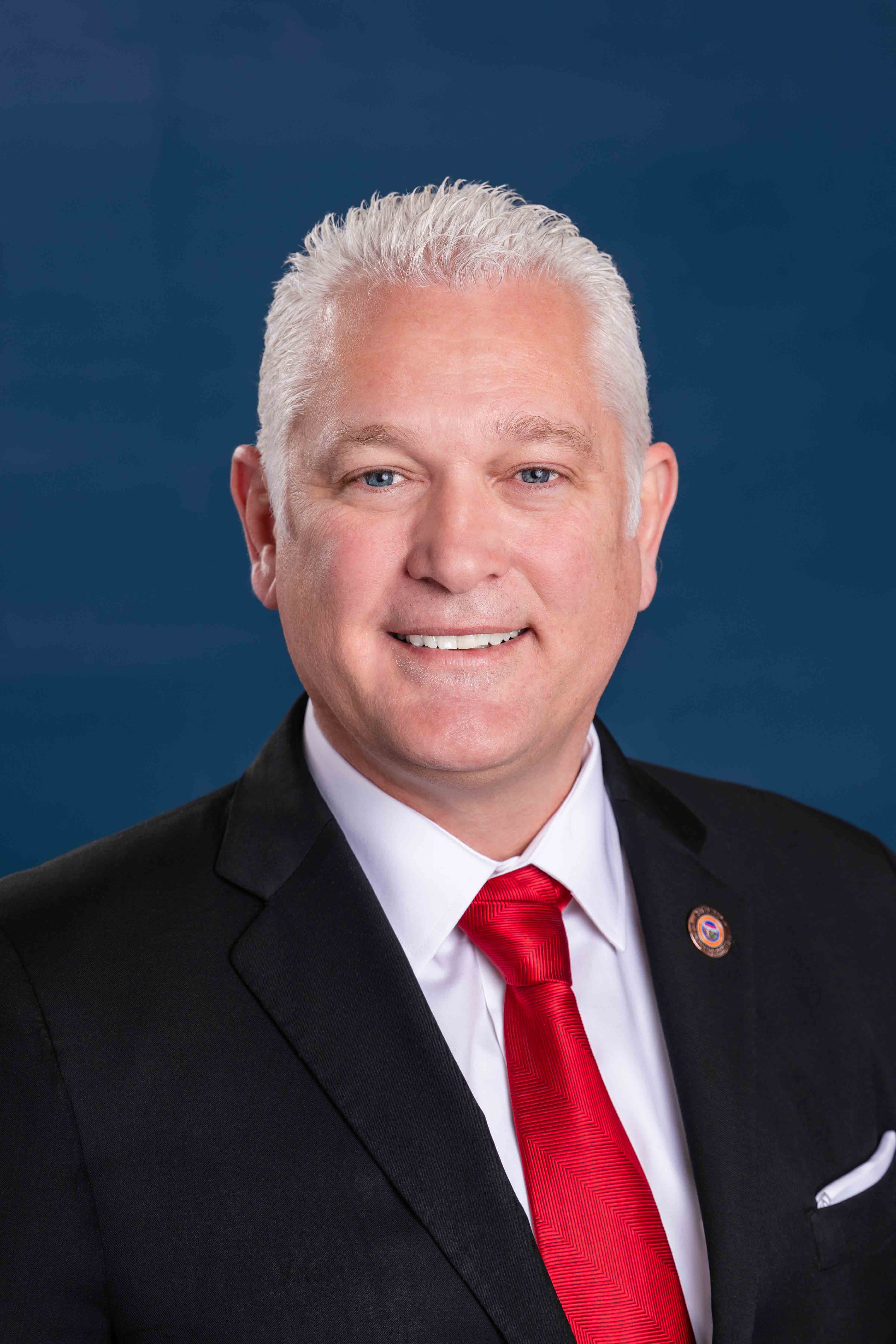
Justin Wilmeth
Justin Wilmeth House · District 2
R
Strong +
83% 193
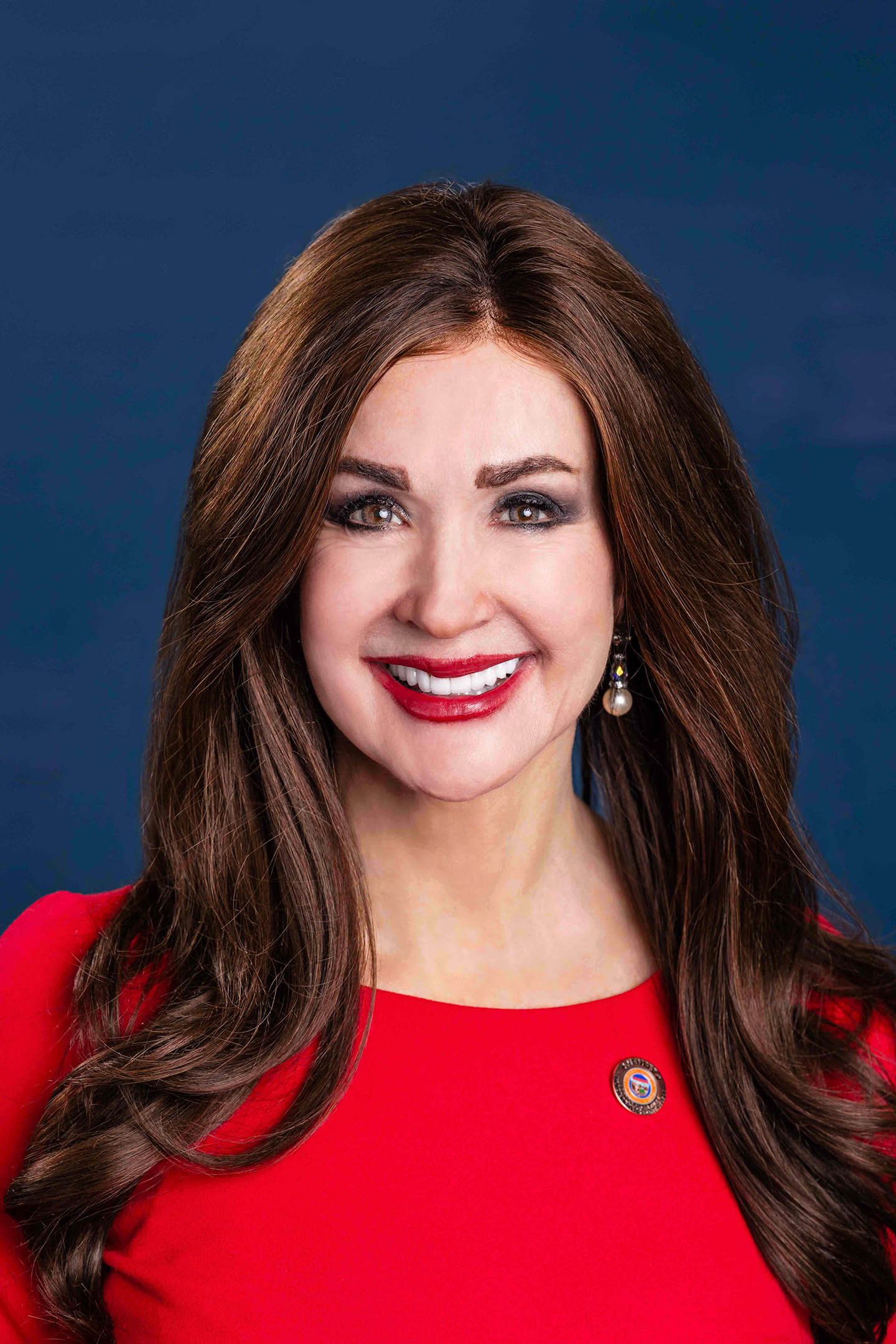
Selina Bliss
Selina Bliss House · District 1
R
Strong +
83% 214
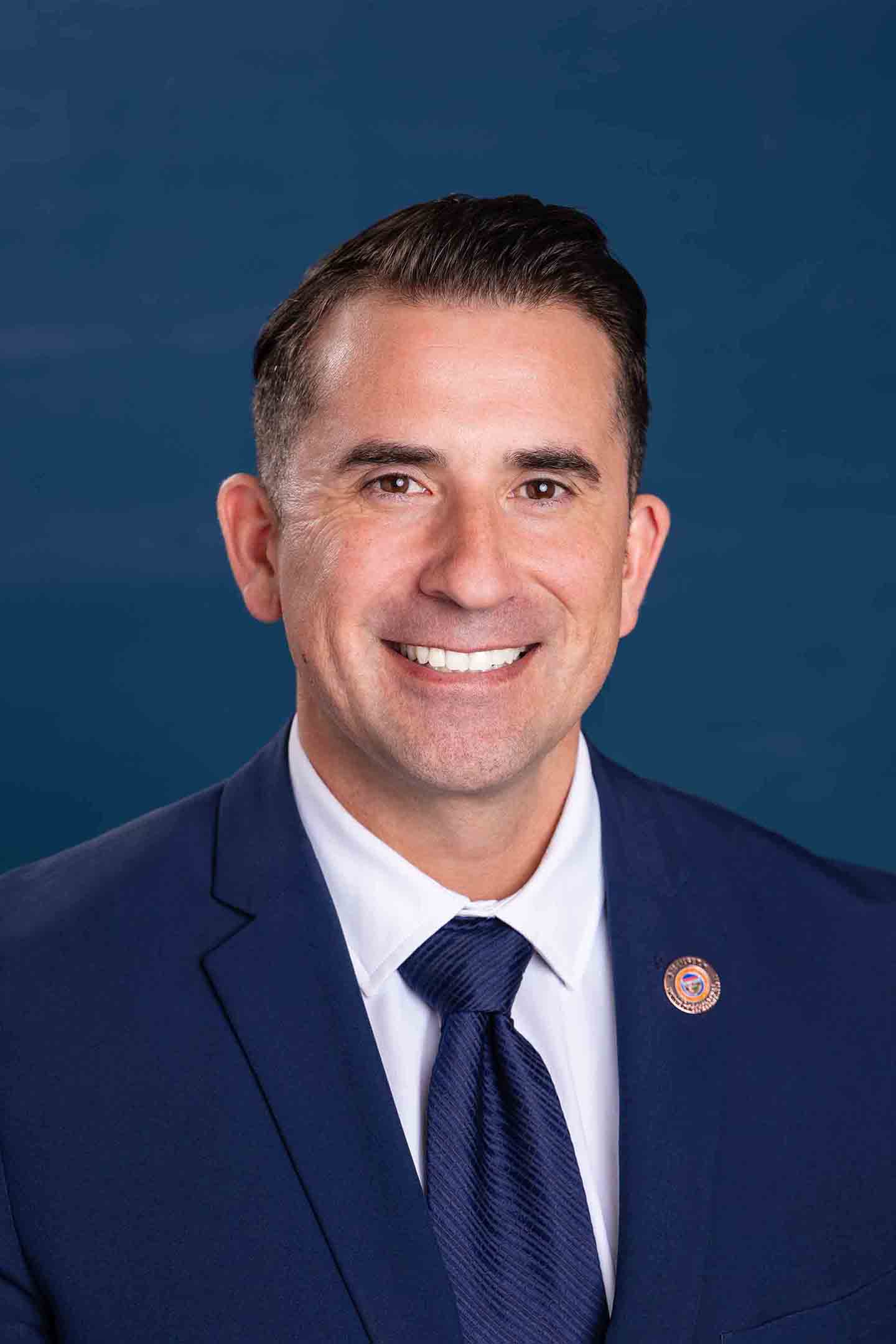
Michael Carbone
Michael Carbone House · District 25
R
Strong +
83% 213
Pamela Carter
Pamela Carter House · District 4
R
Strong +
83% 214
Brian Garcia
Brian Garcia House · District 8
D
Oppose
25% 203
Aaron Marquez
Aaron Marquez House · District 5
D
Oppose
27% 211
Mitzi Epstein
Mitzi Epstein Senate · District 12
D
Oppose
28% 144
Mariana Sandoval
Mariana Sandoval House · District 23
D
Oppose
30% 212
Anna Abeytia
Anna Abeytia House · District 24
D
Oppose
30% 170
Showing 181–190 of 190 bills

All education bills

passed · Arizona · Senate Mar 5, 2026

SB 1026: alternative schools; continuous operations; requirements

SB 1026 streamlines operations for Arizona's alternative education programs and schools serving students in grades 6-12 who cannot thrive in regular classrooms. It allows these programs to schedule instruction any day of the week, enroll students using electronic withdrawal verification (instead of physical forms), and continue funding for students incorrectly coded as graduates in the state database. The bill also eliminates unnecessary recertification requirements for existing programs while requiring new program applications and closure notices. These changes directly affect school districts, alternative program providers, and students needing specialized educational settings.
vetoed · Arizona · House Apr 14, 2026

HB 2033: statewide assessment; written form; requirements

HB 2033 requires Arizona's state board of education to implement uniform statewide assessments in reading, writing, and math for at least four grades annually, while prohibiting assessments that promote sectarian or partisan views. It mandates collecting specific nontest data (like graduation/dropout rates by ethnicity) through surveys of school staff, with strict privacy protections under FERPA. The bill allows students to opt out of district assessments if they provide scores from nationally recognized tests (e.g., SAT, ACT) before testing begins. Additionally, it permits written tests for students with IEPs/504 plans, religious accommodations, or parent requests. This directly affects public schools, students, and educators by standardizing testing requirements and data collection.
signed · Arizona · House Jun 4, 2026

HB 2032: statewide assessment; testing window; revisions

HB 2032 requires Arizona third graders to demonstrate sufficient reading skills on the statewide assessment to advance to fourth grade. If a student does not meet this standard, they may be retained, but only if test data is available and they haven't been retained before. The bill allows exceptions for English learners, students with special education needs (including dyslexia), or those showing progress through approved assessments. Schools must offer multiple evidence-based reading interventions, provide detailed parent notifications about reading deficiencies, and report retention and intervention data to the state education department. This bill directly affects third graders, Arizona public schools, and their parents.
passed · Arizona · House Mar 3, 2026

HB 2076: school safety; employee certification; policies

HB 2076 establishes Arizona's "Save Our Children School Safety Program" to enhance school safety through employee training and crisis preparedness. It creates a fund to reimburse public and private K-12 schools for employee certification costs (via approved programs) and school safety equipment, while allowing schools to adopt policies permitting certified employees to carry concealed firearms on campus. The bill requires schools to notify law enforcement about firearm-carrying employees, maintains confidentiality of employee training details, and grants immunity to certified staff acting in good faith during emergencies. Schools must report annually on program participation, fund usage, and effectiveness to state officials.
introduced · Arizona · Senate Jan 14, 2026

SB 1080: school districts; property; housing developments

This bill amends Arizona law to allow school districts to sell or lease school properties without voter approval under specific conditions. It removes the requirement for elector approval when selling property valued under $50,000, as part of renewable energy agreements, or when proceeds fund state school facilities programs. School districts may also exchange property for more suitable sites or use sale proceeds for bonded debt or tax reductions within two years, with strict conditions. The policy directly affects school district governing boards managing real estate assets, streamlining property transactions for facilities needs.
signed · Arizona · House Apr 13, 2026

HB 2117: natural resource conservation board; fund

HB 2117 redirects $17 of the $25 annual fee for Arizona's environmental special license plates into a dedicated fund. The state natural resource conservation board will distribute $5,000 to $10,000 annually to each natural resource conservation district with an established education center. These funds must support environmental education programs that are scientifically based and address economic and social implications. The bill specifies that funds are exclusively for conservation education programs at local districts, without changing the plate fee structure.
Sub-Topics Conservation
failed · Arizona · Senate Jun 11, 2026

SB 1009: high school students; AED training

SB 1009 requires Arizona high schools to provide all students with mandatory training in cardiopulmonary resuscitation (CPR) and automated external defibrillator (AED) use during high school. The training must be age-appropriate, based on current national guidelines, and include hands-on practice (except for online students). Schools may accept donations for materials and must allow exemptions for students with parental consent, prior certification, or individualized education program accommodations. This policy directly affects all Arizona public high school students and mandates training through certified providers like EMTs, Red Cross representatives, or school staff.
failed · Arizona · Senate Jun 12, 2026

SB 1004: ESA students; interscholastic activities; requirements

SB 1004 allows Arizona students using Educational Savings Accounts (ESAs) to participate in school district sports and activities on the same terms as enrolled students. School districts must apply identical eligibility rules, fees (capped at the student’s pro rata share of costs), and academic requirements - such as passing grades and progress - to ESA students as they do for enrolled students. The bill prohibits districts from charging ESA students more than their fair share of activity costs or contracting with organizations that exclude ESA students. It also bars ESA students from participating if they were enrolled in district schools, multiple private schools, or a private school offering the activity during the same school year.
Sub-Topics School Choice
introduced · Arizona · House Jan 13, 2026

HB 2021: K-3 reading program; curriculum requirements

HB 2021 establishes Arizona's K-3 reading program to improve early literacy for students in kindergarten through third grade. It requires school districts and charter schools to develop annual reading improvement plans, ensure at least one teacher per school receives dyslexia training, and use state funding (from the "K-3 reading support level weight") exclusively for evidence-based reading instruction. The bill mandates annual reporting on program results, including student reading proficiency data and spending, and prioritizes support for schools with higher percentages of struggling readers. It directly affects K-3 public school students, teachers, and school districts by setting specific curriculum, training, and funding requirements.
passed · Arizona · House Mar 11, 2026

HB 2020: educational institutions; interference; disruption

HB 2020 defines and penalizes interference with or disruption of public educational institutions in Arizona. It requires public schools, colleges, and universities to adopt rules for maintaining order on their property, with penalties including ejection, suspension, or expulsion for students and staff who violate these rules. The law classifies threatening harm as a class 1 misdemeanor for minors or a class 6 felony for adults (18+), while entering school property to disrupt operations is a class 1 misdemeanor. Private educational institutions are exempt from these requirements, and the bill explicitly preserves approved gun safety programs on campuses.
Sub-Topics Firearms School Safety
Showing 181 to 190 of 190 bills
Previous 1 17 18 19