

Issue · Education
Education
Every education bill, vote, and legislator stance in Arizona, automatically classified by Maddy, our AI policy reader.
Total bills
190
57th Legislature - Second Regular Session
Top supporter
James Taylor
84% support rate
Top opponent
Brian Garcia
25% support rate
Ranked legislators
10
5 support · 5 oppose
Key legislators
Who's moving education in Arizona
| Legislator | Party | Stance | Support rate | Votes |
|---|---|---|---|---|
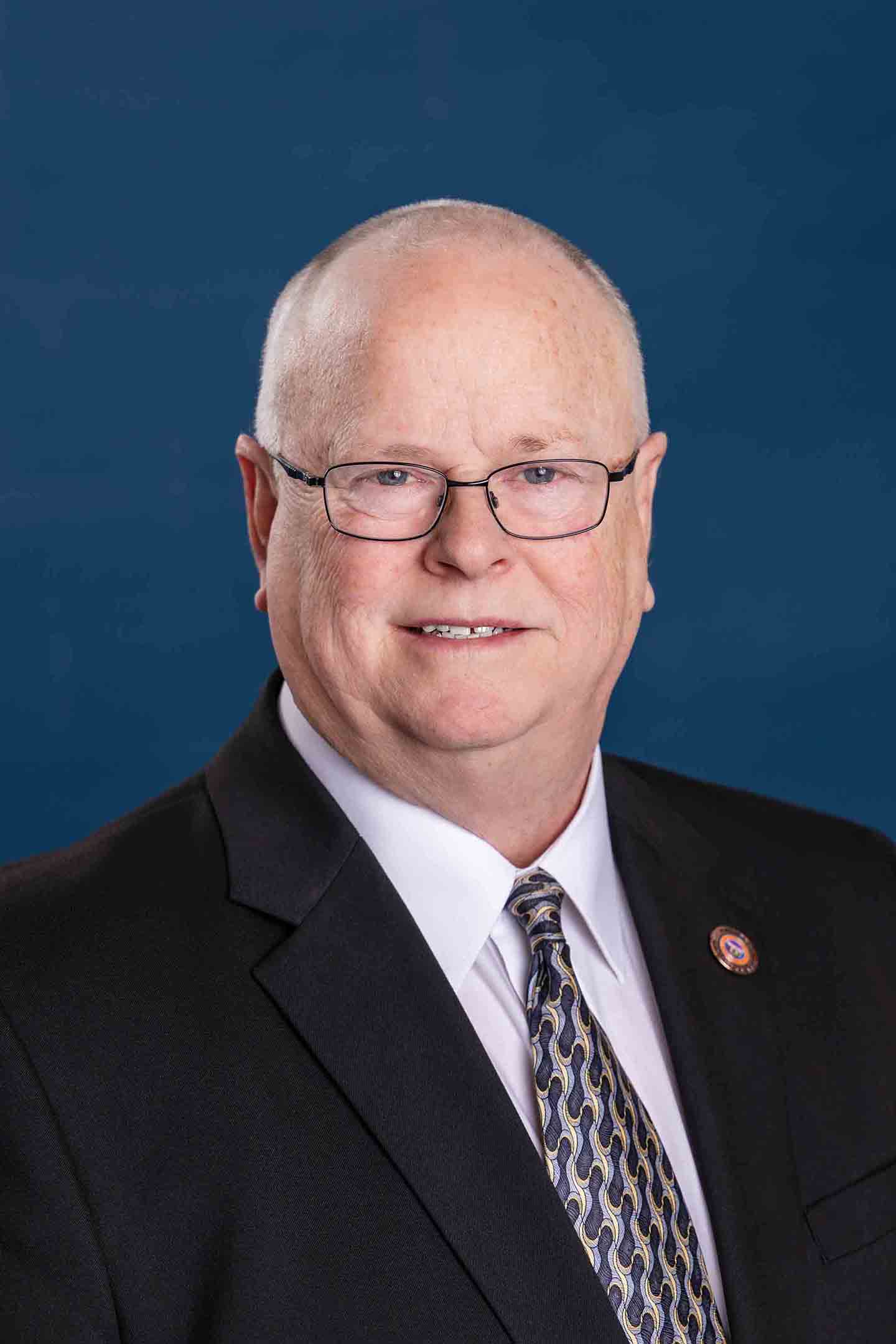
James Taylor
House · District 29
|
R |
Strong +
|
84% | 207 |
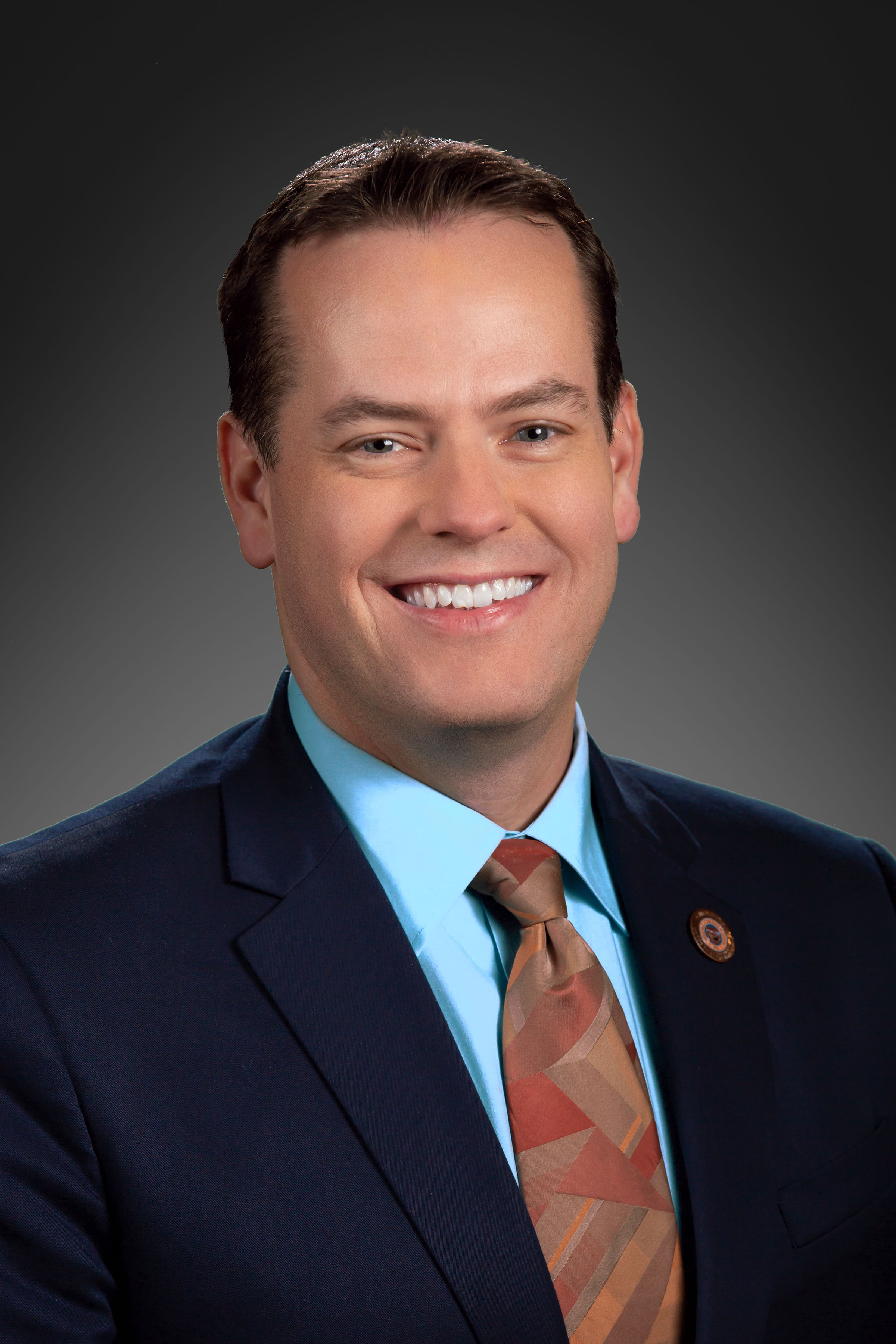
Justin Wilmeth
House · District 2
|
R |
Strong +
|
83% | 193 |
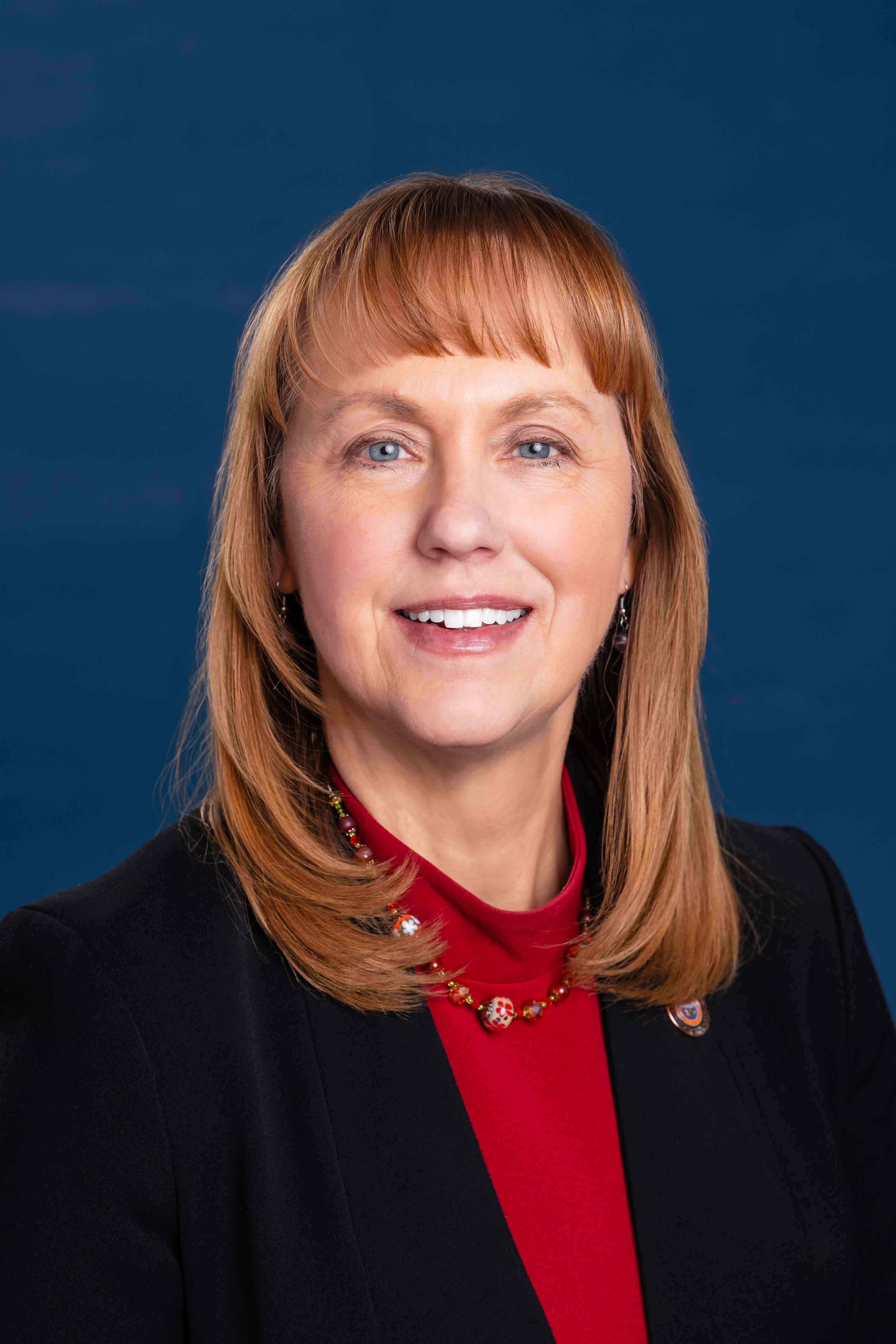
Selina Bliss
House · District 1
|
R |
Strong +
|
83% | 214 |
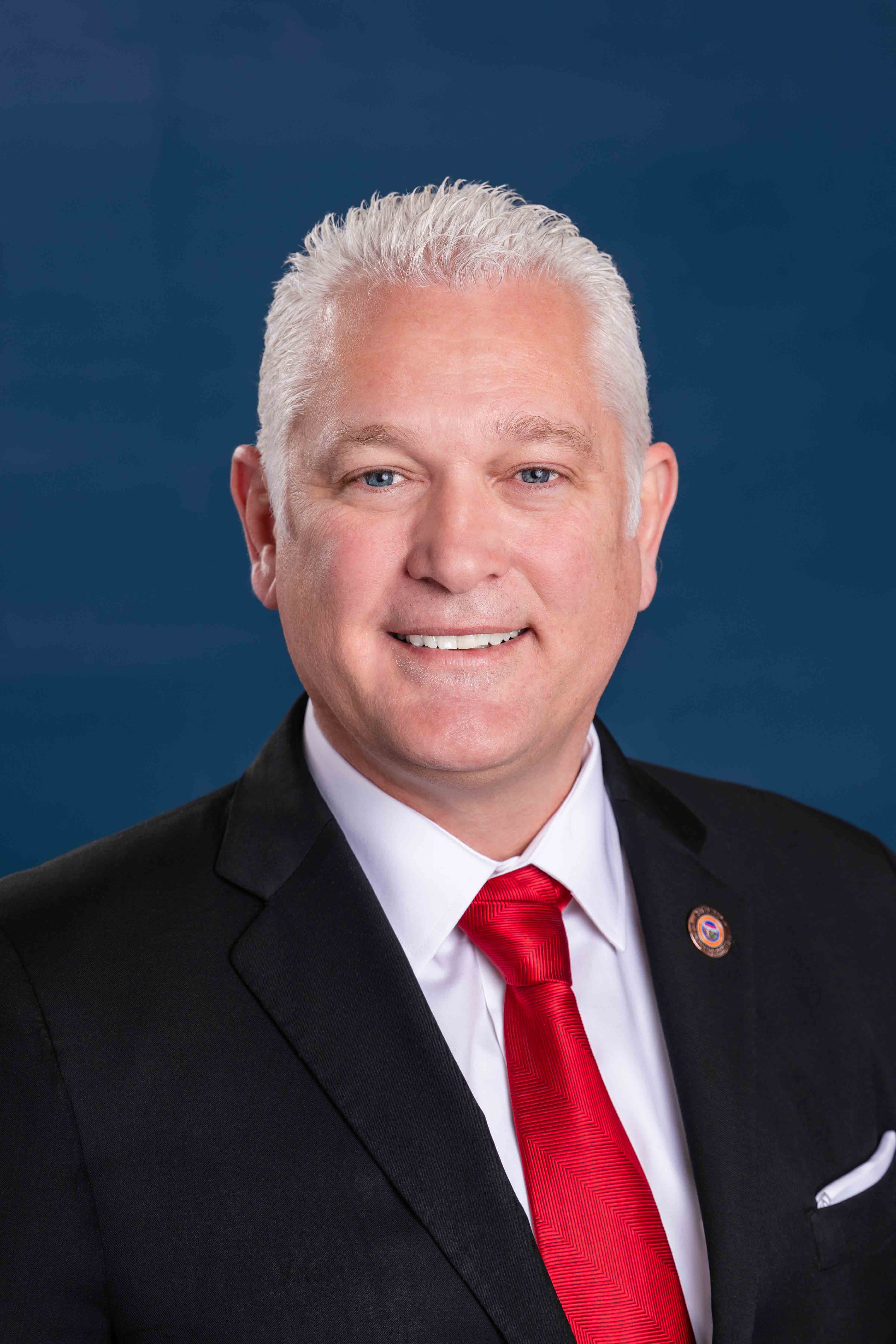
Michael Carbone
House · District 25
|
R |
Strong +
|
83% | 213 |
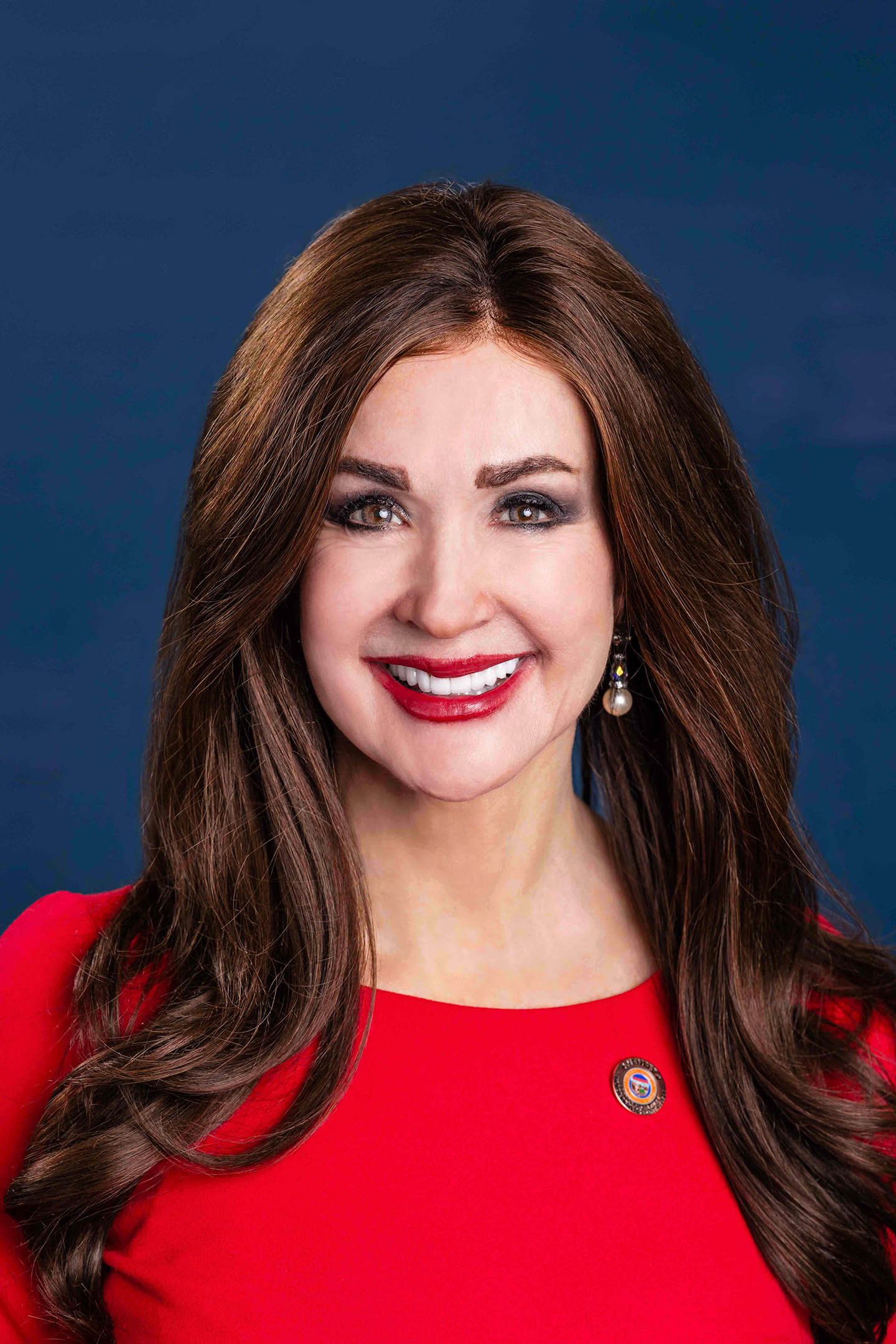
Pamela Carter
House · District 4
|
R |
Strong +
|
83% | 214 |
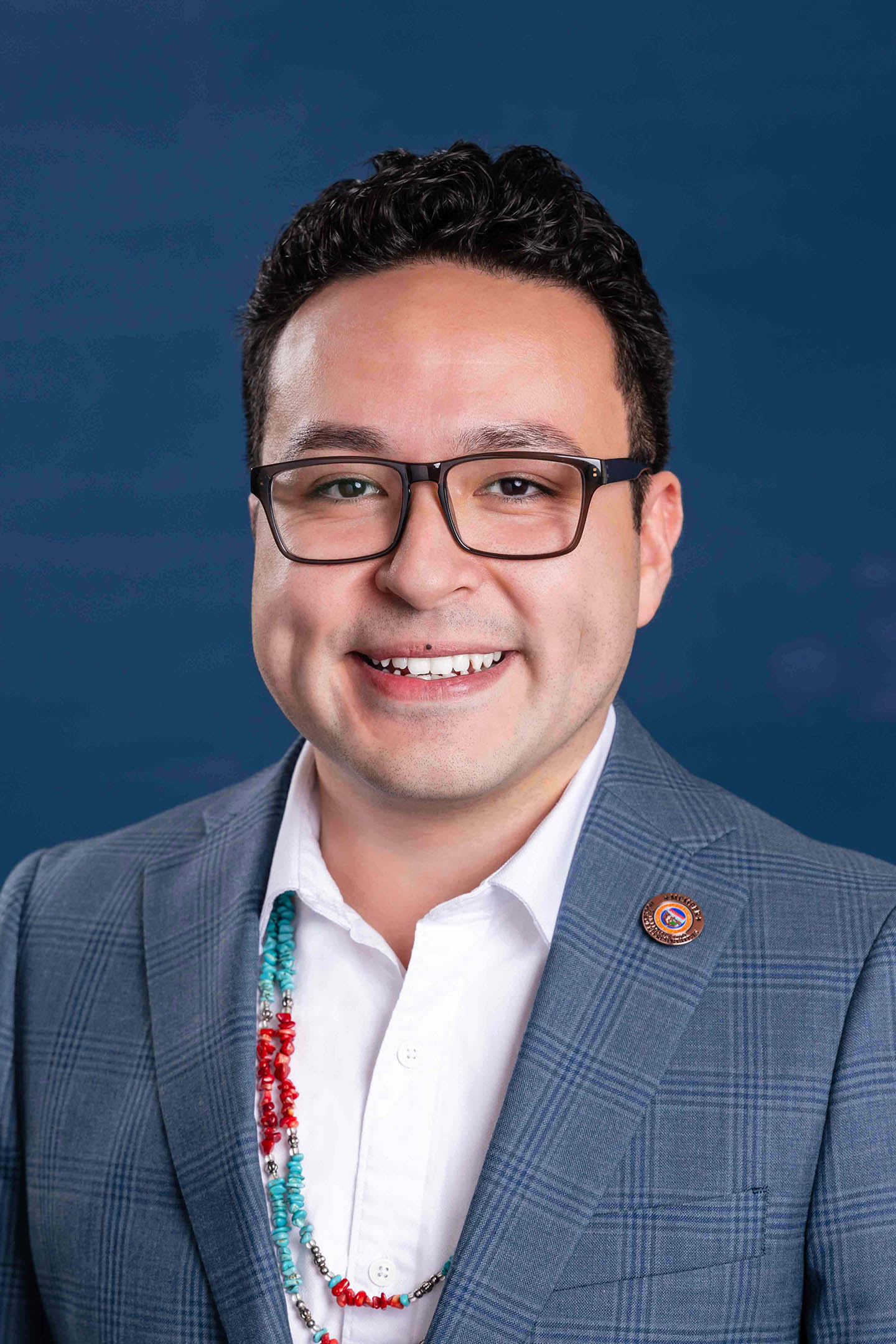
Brian Garcia
House · District 8
|
D |
Oppose
|
25% | 203 |
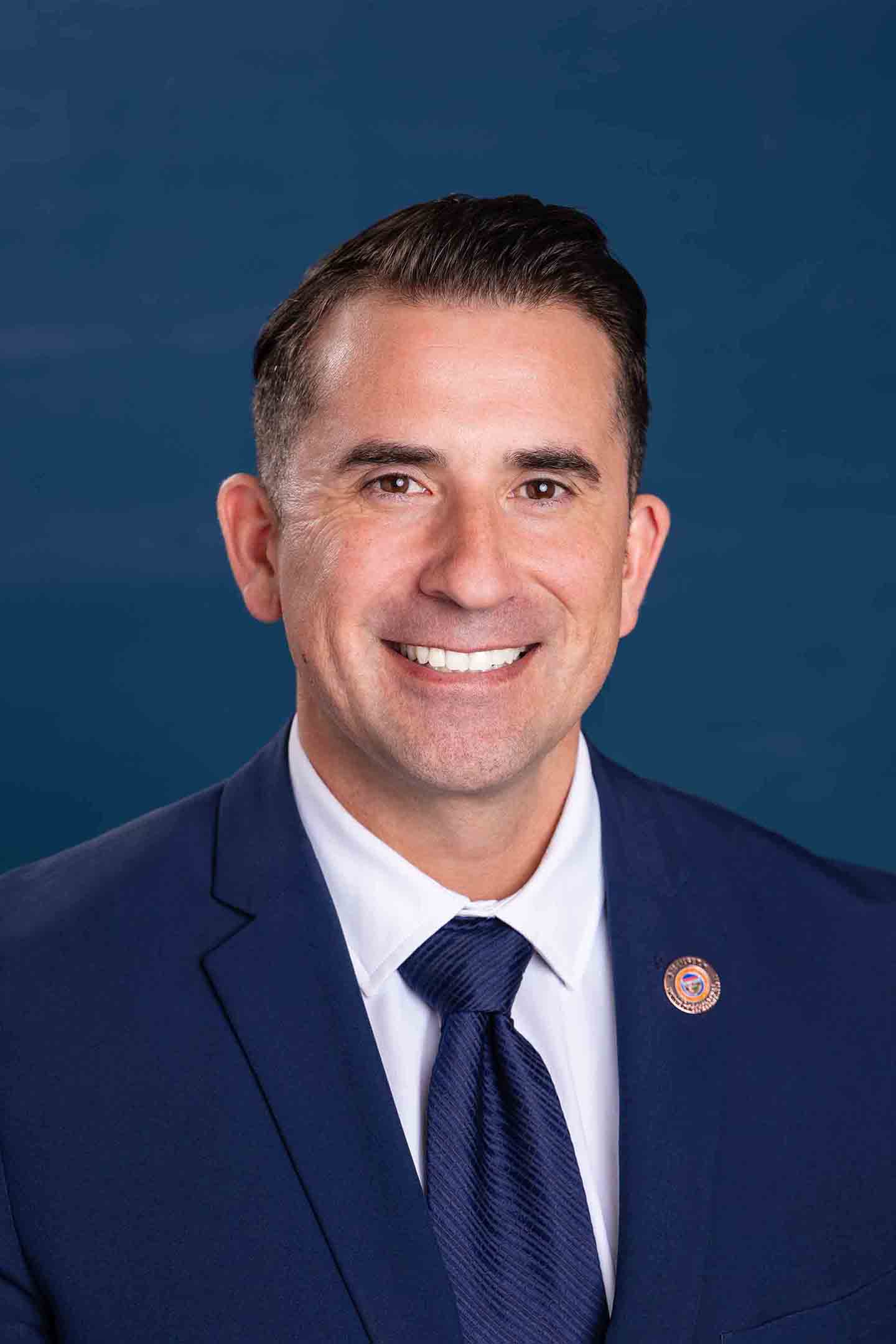
Aaron Marquez
House · District 5
|
D |
Oppose
|
27% | 211 |
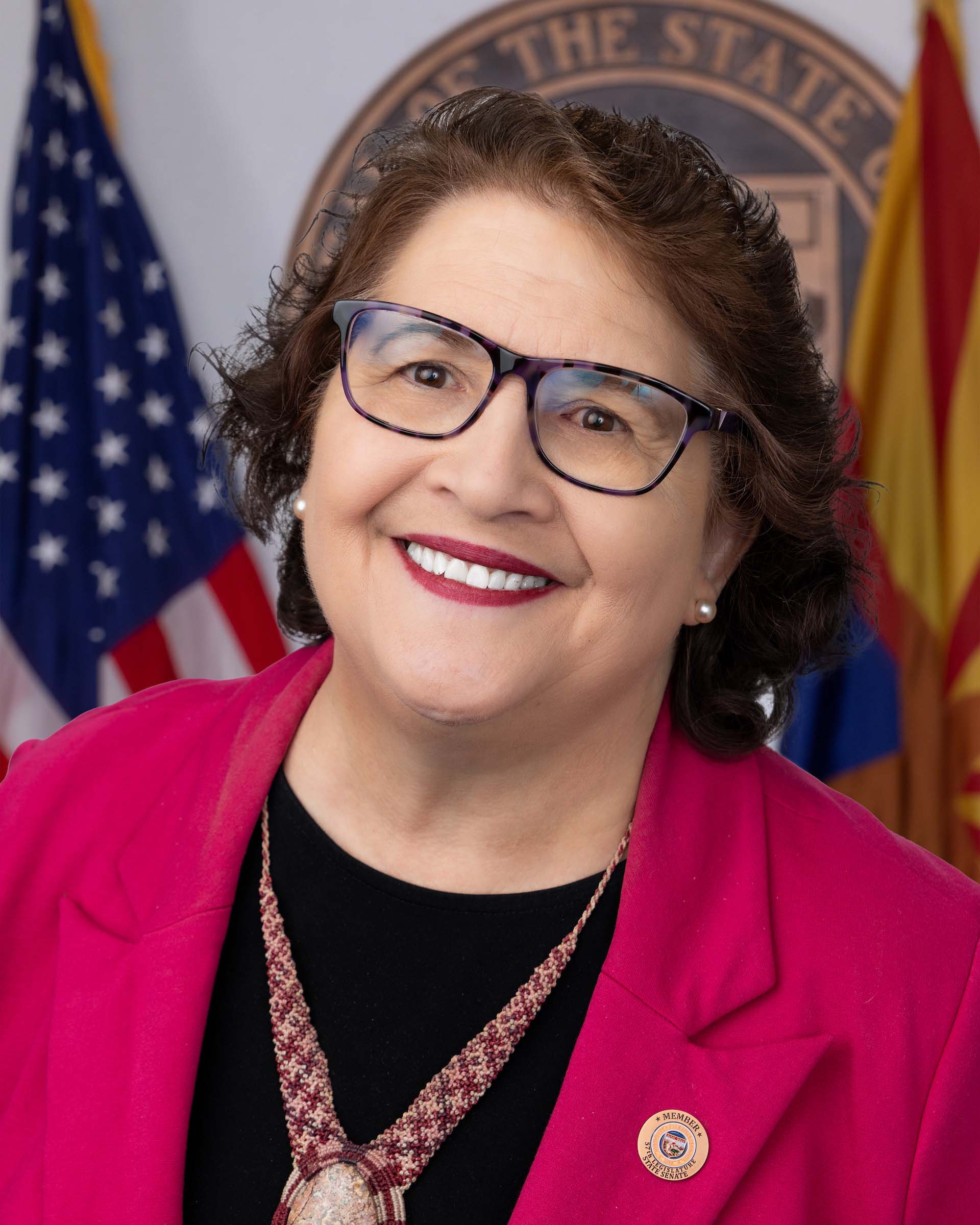
Mitzi Epstein
Senate · District 12
|
D |
Oppose
|
28% | 144 |
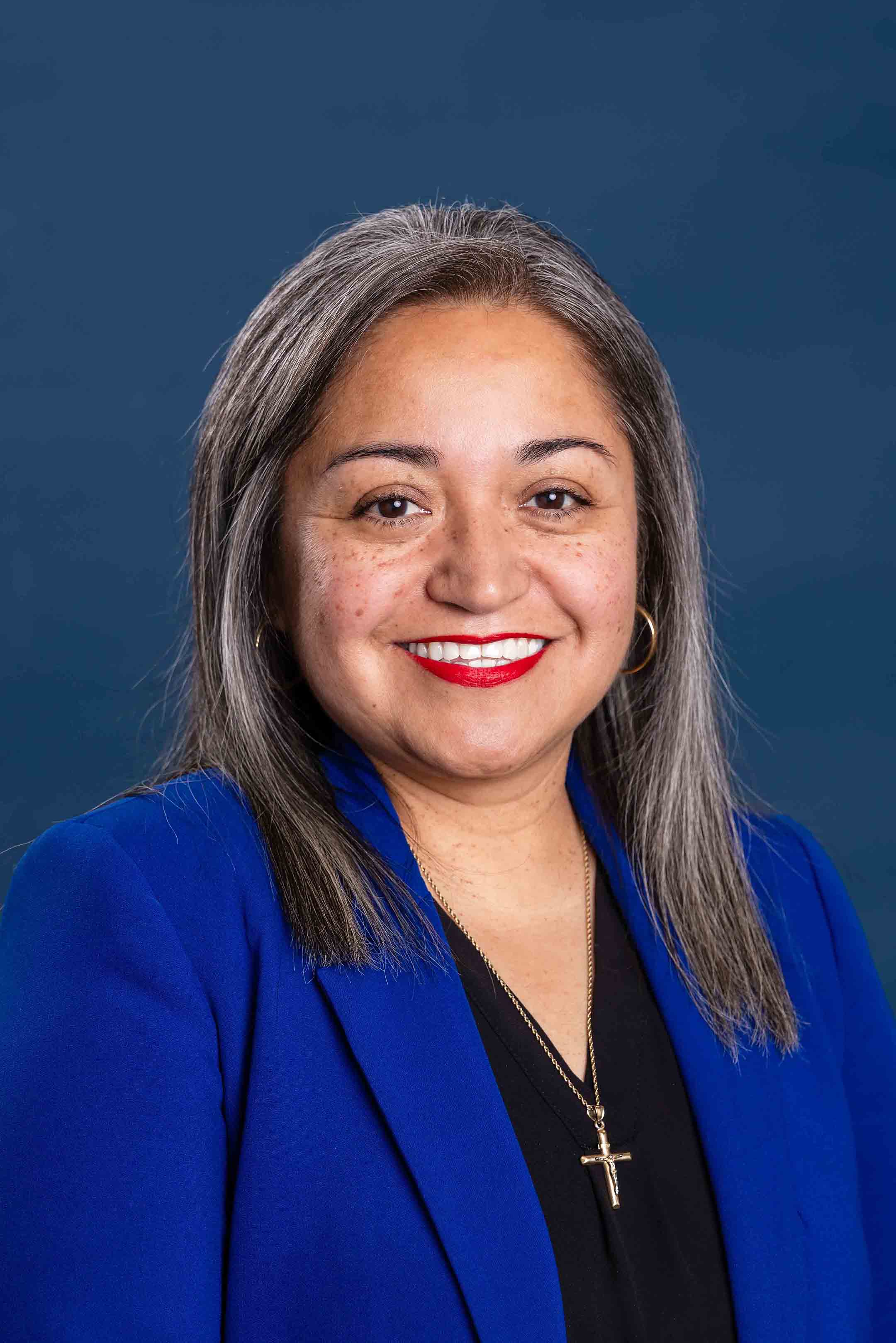
Mariana Sandoval
House · District 23
|
D |
Oppose
|
30% | 212 |
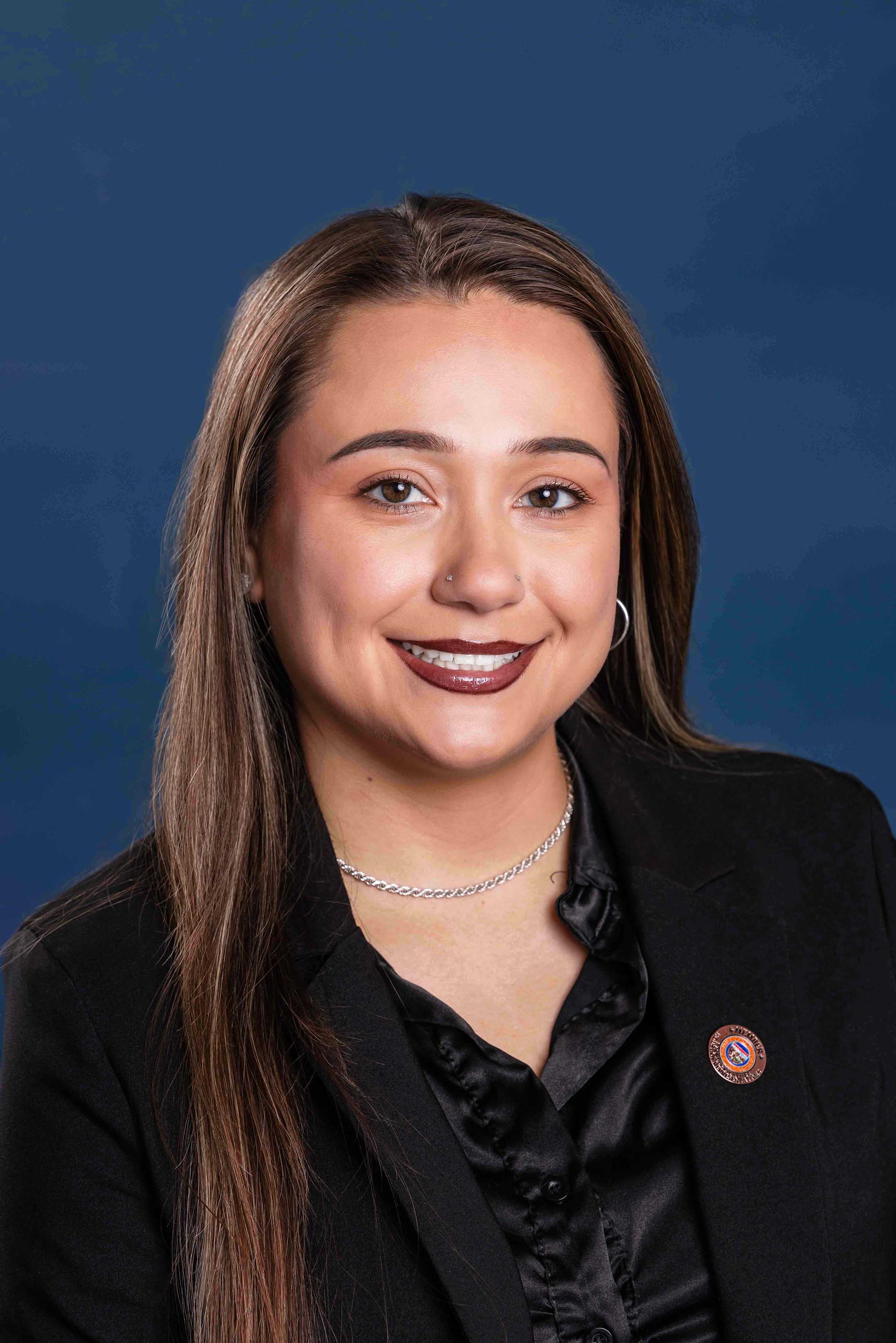
Anna Abeytia
House · District 24
|
D |
Oppose
|
30% | 170 |
Showing 111–120 of 190
bills
All education bills
HB 2152: TPT; exemption; fencing; watering; materials
Topics
✓ Budget & TaxesSupports Budget & TaxesExempts medical items, SNAP food, school meals, and textbooks from sales tax, providing direct tax relief for lower/middle-income groups and essential services.
✓ EducationSupports EducationExempts textbooks and school meals from sales tax, reducing costs for educational materials and meals, directly supporting educational access and affordability.
✓ HealthcareSupports HealthcareExempts insulin, prosthetics, and durable medical equipment from sales tax, reducing patient costs and improving access to essential healthcare items.
SB 1483: appropriation; Navajo technical university; laboratory
Topics
✓ Budget & TaxesSupports Budget & TaxesAllocates $8M from state general fund for NTU infrastructure, directly increasing public service funding per appropriation language.
✓ EducationSupports EducationBill allocates $8M for Navajo Technical University's infrastructure development, directly funding higher education facilities and services to benefit students and communities.
SB 1101: pilot programs; STEM teachers; districts
Topics
✓ Budget & TaxesSupports Budget & TaxesBill allocates state funds for $6,000 teacher stipends, directly increasing public education funding through targeted budget spending.
✓ EducationSupports EducationProvides $6,000 summer stipends and professional development for STEM teachers in high-need districts, directly funding educator support and expanding program access.
HB 2892: appropriation; rural bus soil stabilization
Topics
✓ Budget & TaxesSupports Budget & TaxesAllocates $665,500 from state general fund for rural school bus infrastructure, directly funding public transportation service within budget appropriations.
✓ EducationSupports EducationFunds soil stabilization for rural school bus routes, directly improving K-12 transportation infrastructure in Apache County's schools.
✓ TransportationSupports TransportationBill allocates $665,500 to stabilize rural school bus routes, directly funding transportation infrastructure maintenance to prevent road damage from erosion.
HB 2409: artificial intelligence; statewide education program
Topics
✓ EducationSupports EducationCreates voluntary AI education curricula for digital safety and business skills, expanding educational access and curriculum offerings in K-12 context
✓ TechnologySupports TechnologyBill establishes AI education curricula teaching data protection, algorithmic bias, and ethical AI use, directly promoting digital safety and responsible technology adoption.
SB 1521: appropriation; Diné College; remedial education
Topics
✓ Budget & TaxesSupports Budget & TaxesAppropriates $1M from state general fund for Diné College remedial education, directly funding a public service program under budget allocation.
✓ EducationSupports EducationAllocates $1M for Diné College remedial education, directly funding academic support programs to enhance student success in higher education.
SB 1131: cardiac emergency response plans; schools
Topics
✓ EducationSupports EducationMandates school cardiac emergency protocols enhancing student/staff safety, directly protecting school environment under education topic
✓ HealthcareSupports HealthcareMandates cardiac emergency protocols in schools, ensuring rapid AED access and trained response - improves emergency healthcare access for students/staff.
SB 1413: technical correction; veterans; tuition deferment
Topics
✓ EducationSupports EducationClarifies veterans' tuition deferment, enabling access to higher education by deferring payments until VA benefits arrive, expanding access for veterans.
✓ VeteransSupports VeteransClarifies veterans' tuition deferment program, allowing 120-day deferment (extendable) while awaiting VA benefits, reducing financial burden on veterans.
HB 2646: children's bill of rights
Topics
✓ Criminal JusticeSupports Criminal JusticeAddresses parental visitation during incarceration (corrections aspect) and prioritizes child's best interest, aligning with family-centered criminal justice reform to reduce recidivism.
✓ EducationSupports EducationGuarantees in-person school enrollment access, protecting educational access for students per bill's core provisions.
✓ HealthcareSupports HealthcareBill explicitly grants minors confidential access to mental health care and other health services without parental consent, protecting patient rights and improving access to essential healthcare services.