Issue · Criminal Justice

Criminal Justice (Corrections)

Every criminal justice bill, vote, and legislator stance in Arizona, automatically classified by Maddy, our AI policy reader.

Total bills
40
57th Legislature - Second Regular Session
Top supporter
Seth Blattman
100% support rate
Top opponent
Jake Hoffman
37% support rate
Ranked legislators
10
5 support · 5 oppose
Key legislators

Who's moving corrections in Arizona

Legislators moving corrections in Arizona
Legislator Party Stance Support rate Votes
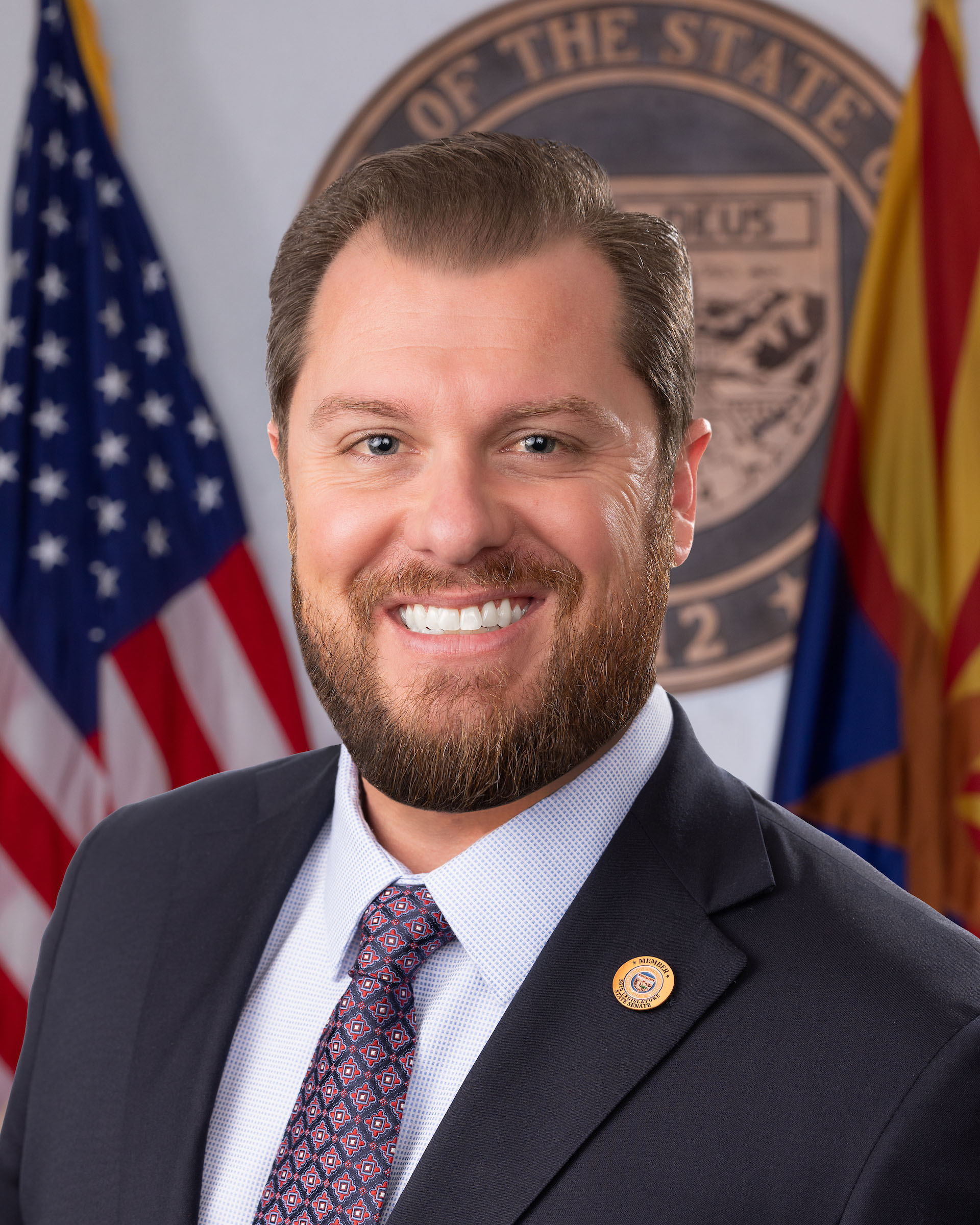
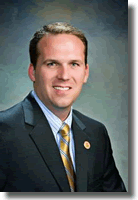
Seth Blattman
Seth Blattman House · District 9
D
Strong +
100% 5
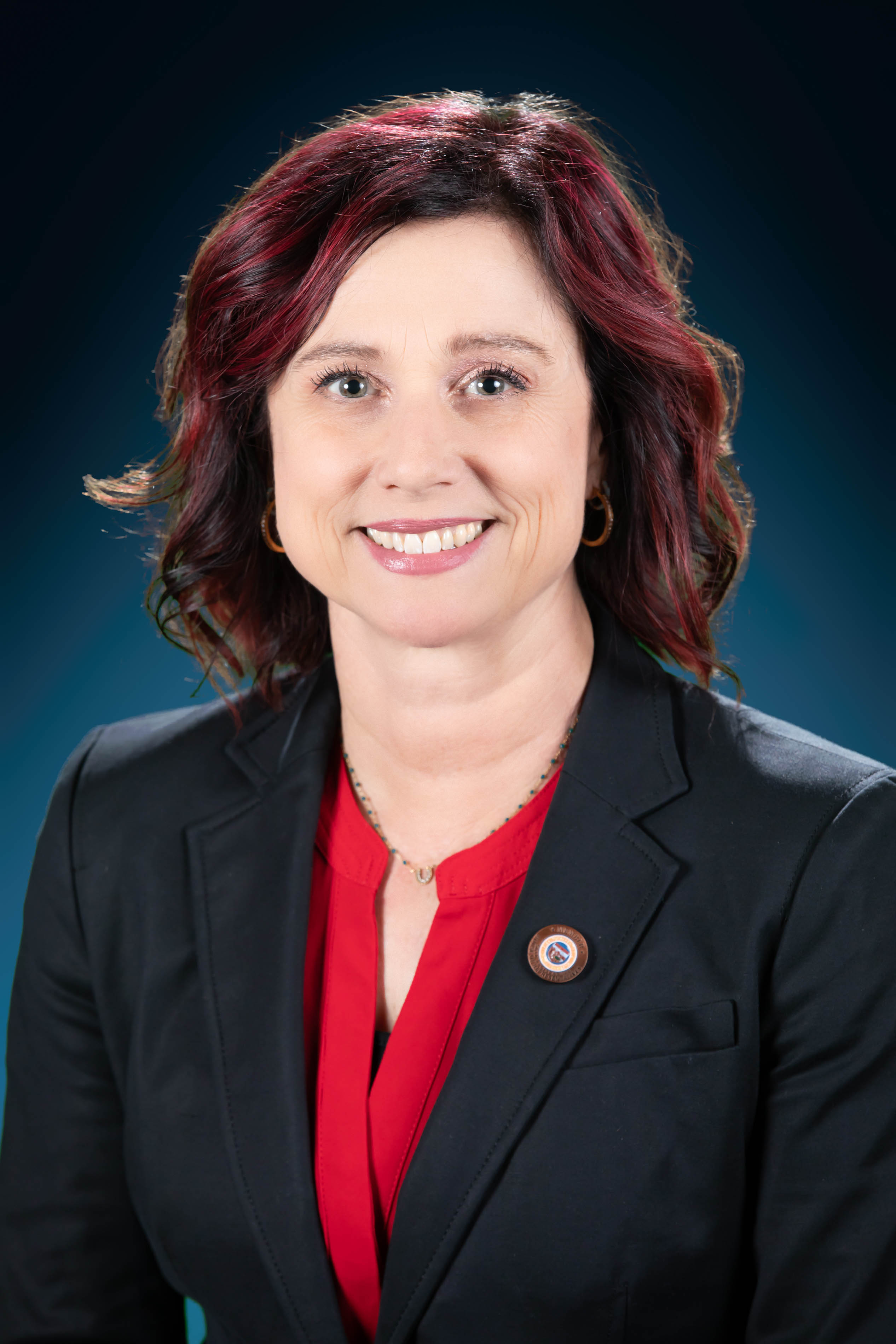
Janeen Connolly
Janeen Connolly House · District 8
D
Strong +
92% 12
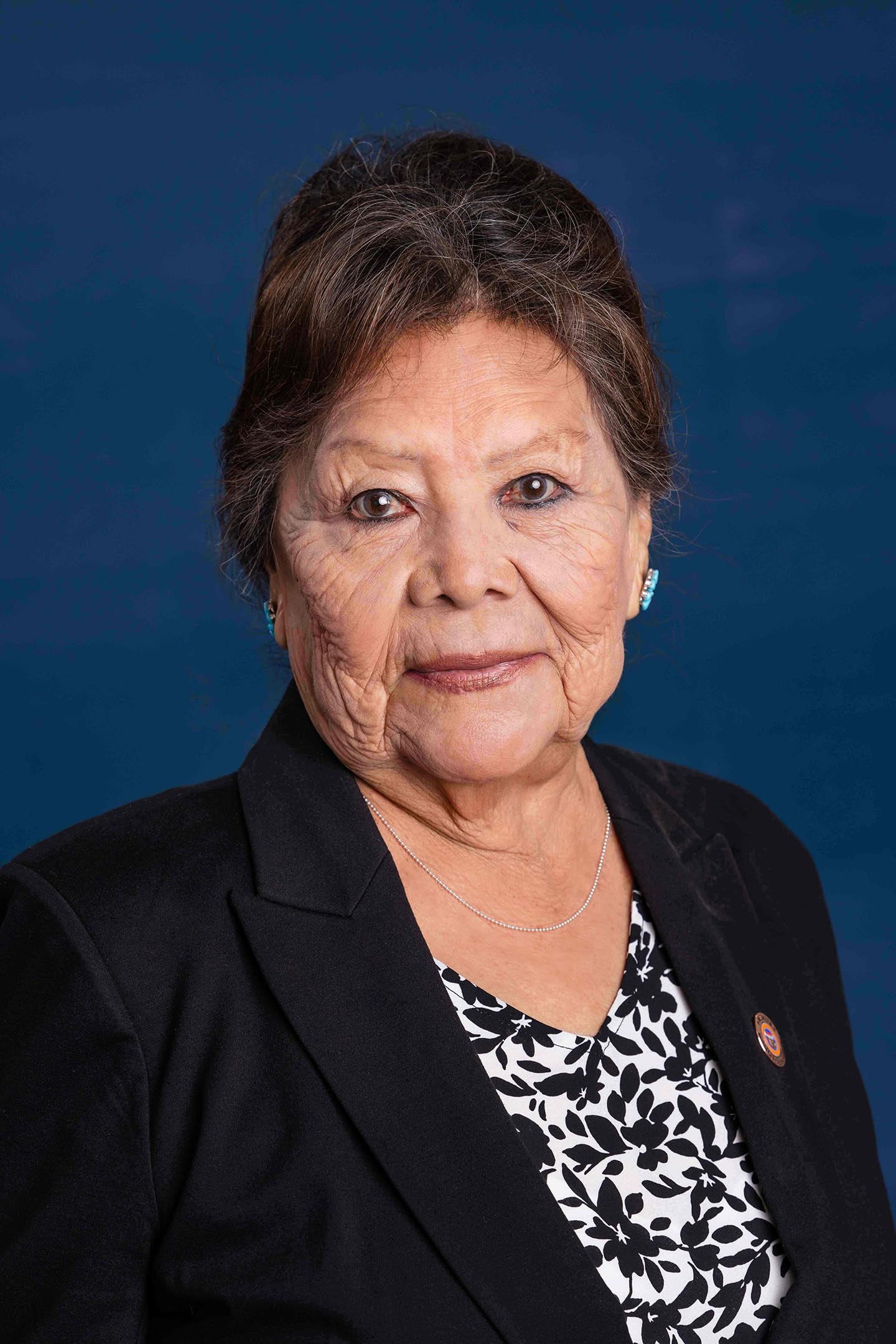
Mae Peshlakai
Mae Peshlakai House · District 6
D
Strong +
92% 12
Nancy Gutierrez
Nancy Gutierrez House · District 18
D
Strong +
88% 8
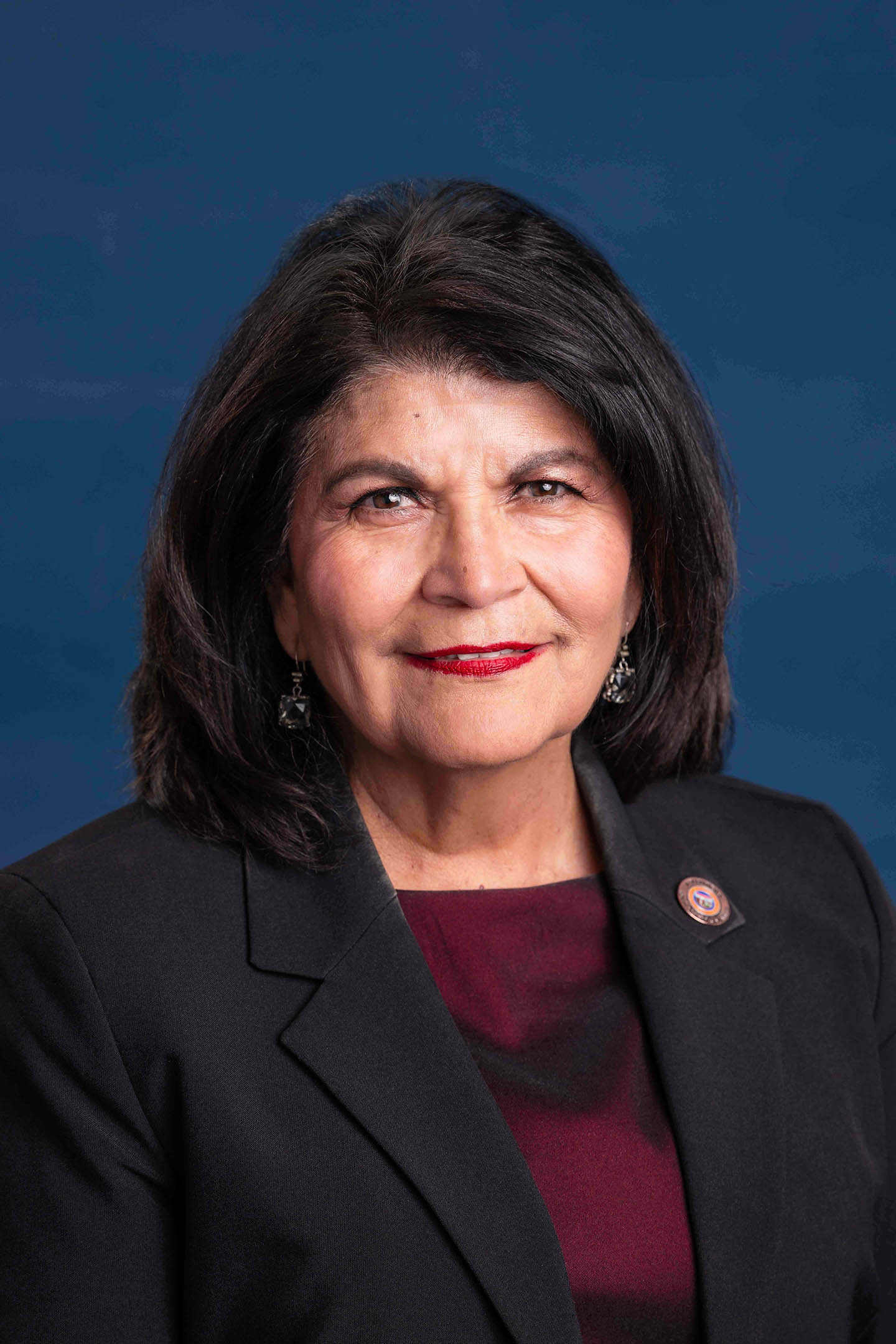
Betty Villegas
Betty Villegas House · District 20
D
Strong +
86% 14
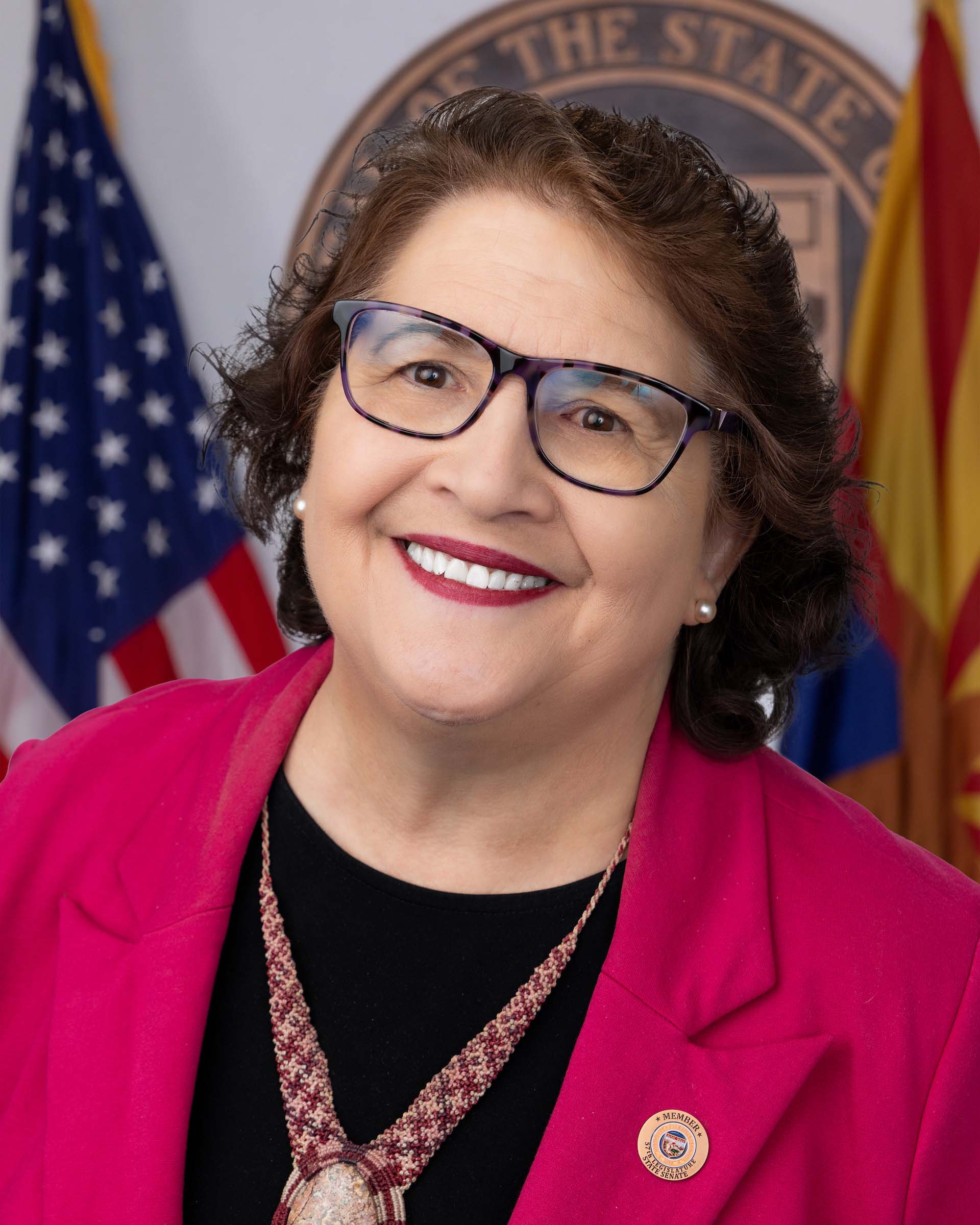
Jake Hoffman
Jake Hoffman Senate · District 15
R
Oppose
37% 19
Mitzi Epstein
Mitzi Epstein Senate · District 12
D
Mixed −
42% 19
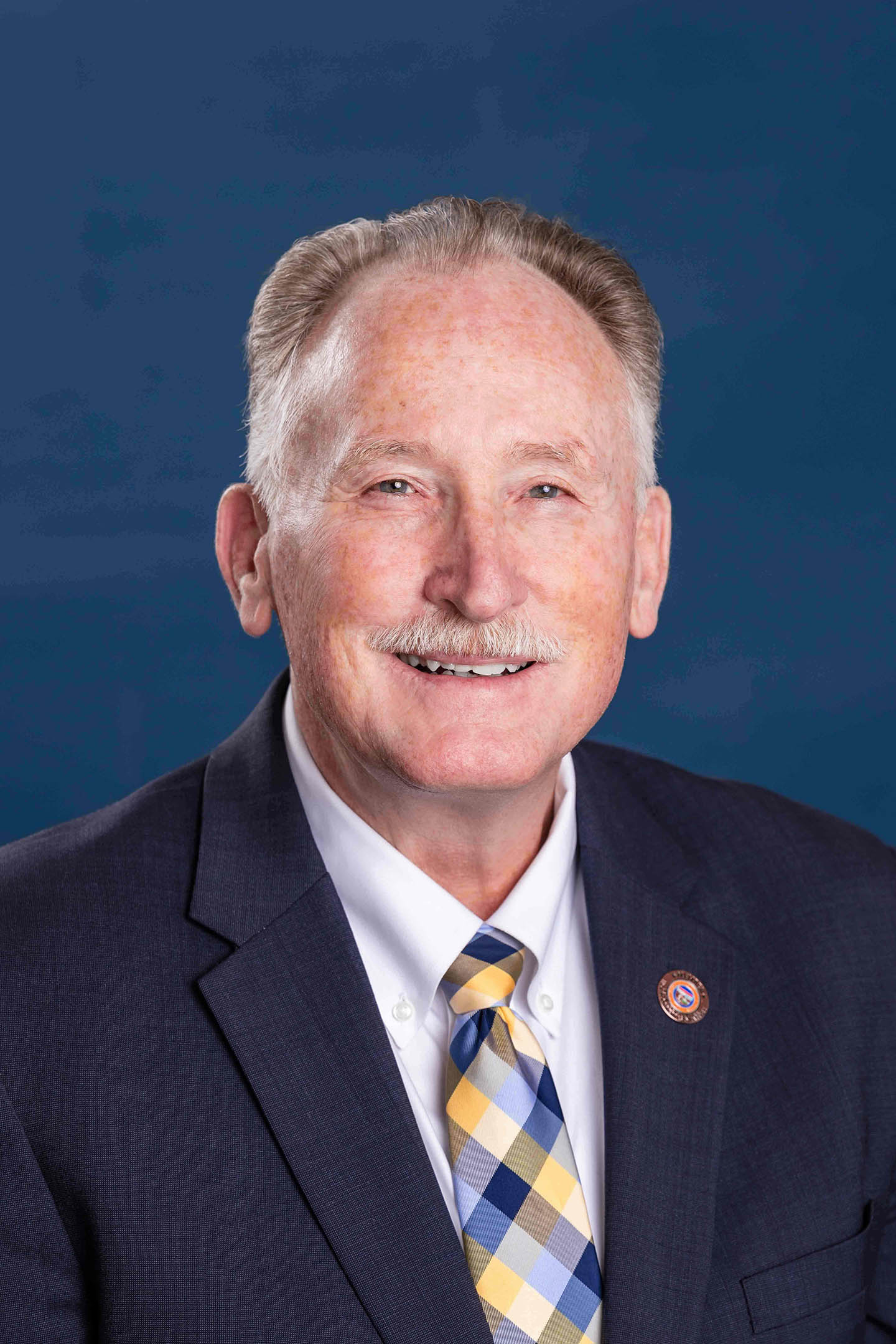
Justin Olson
Justin Olson House · District 10
R
Mixed −
43% 14
Khyl Powell
Khyl Powell House · District 14
R
Mixed −
43% 14
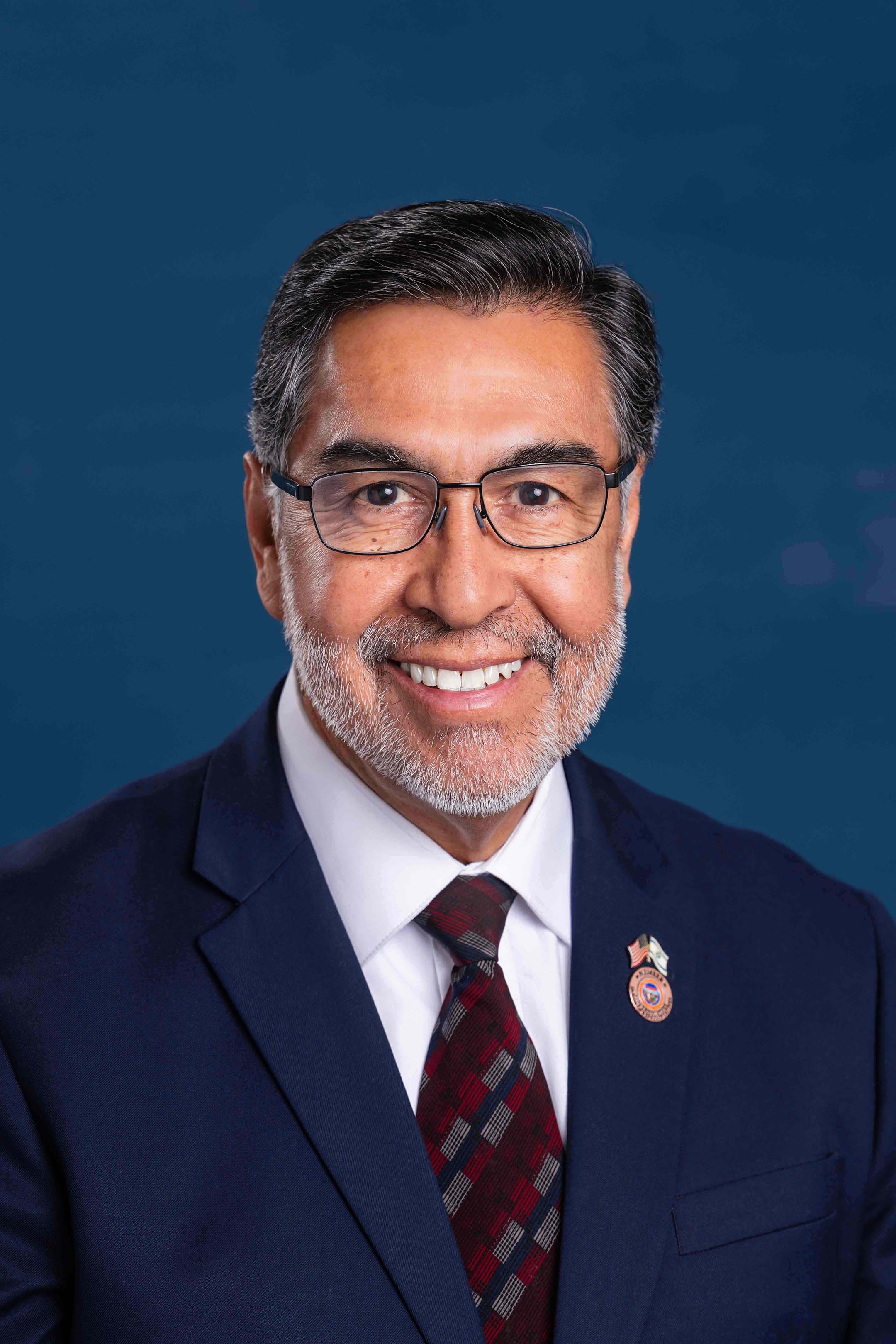
Lupe Diaz
Lupe Diaz House · District 19
R
Mixed −
43% 14
Showing 21–30 of 40 bills

All criminal justice bills

introduced · Arizona · House Jan 21, 2026

HB 2359: adult incarceration contractors; public records

HB 2359 requires private prison contractors in Arizona to reimburse the state or local governments for emergency, public safety, or security services they receive. It also mandates that these contractors maintain complete, accurate records of all services provided. The bill classifies private incarceration contractors as "public bodies" under Arizona's public records law (Title 39), making their records subject to public access. This directly affects companies contracted by government entities to operate adult incarceration facilities.
Sub-Topics Corrections
passed · Arizona · Senate Mar 23, 2026

SB 1240: probation success incentive payments; calculation

SB 1240 creates payments to Arizona counties based on reducing probation failures compared to historical rates. Counties earn funds equal to 50% of prison cost savings per probationer kept out of prison (excluding those convicted of dangerous crimes against children), while the state allocates 25% of savings for statewide recidivism programs. Funds must be used for evidence-based services like drug treatment, job training, and probation officer training - not to replace existing budgets. The state calculates annual probation success rates using 2007-2019 data to determine payments and requires reporting on program effectiveness.
introduced · Arizona · Senate Jan 26, 2026

SB 1304: mental illness; prisoners; diagnosis; treatment

SB 1304 requires Arizona county sheriffs and state correctional facilities to assess prisoners showing signs of mental illness within 24 hours. It mandates immediate continuation of prescribed medications upon jail intake and requires sheriffs to request serious mental illness designation within seven days for diagnosed prisoners. The bill also establishes court procedures for transferring prisoners to treatment facilities when mental health needs require it, including notice and hearing requirements. These provisions apply to all prisoners in county jails or state facilities with diagnosed or suspected mental health conditions. The law focuses on ensuring consistent mental health treatment during incarceration, without altering criminal proceedings.
signed · Arizona · House Jun 4, 2026

HB 2440: prisoners; transition program

HB 2440 establishes a 90-day community transition program for eligible Arizona inmates, requiring the Department of Corrections to partner with private or nonprofit entities to provide services like job placement, substance abuse treatment, and family reunification counseling. To qualify, inmates must meet specific criteria (e.g., no recent violent convictions or felony detainers) and agree to provide information for a department report, while victims must receive notice before release. The bill mandates annual reporting on recidivism rates, program participation, and service types, with special provisions allowing eligibility for some inmates convicted of certain drug offenses. It also allows a one-time 90-day extension for inmates needing additional support to address specific risk factors.
introduced · Arizona · House Jan 22, 2026

HB 2770: home confinement; eligibility; electronic monitoring

HB 2770 establishes a home confinement program for eligible Arizona inmates, allowing them to serve sentences at home under electronic monitoring instead of in prison. It applies to inmates who have served at least one year of their sentence, committed specific non-violent felonies (like certain class 4-6 offenses), and meet other criteria like no violent history or active warrants. Key provisions require electronic monitoring, victim notification and feedback before approval, a monthly supervision fee (with ability to waive based on inability to pay), and a 1:50 officer-to-participant ratio. The program phases in starting December 2026 based on remaining sentence time, directly affecting qualifying inmates, victims, and corrections staff managing the program.
passed · Arizona · House Mar 25, 2026

HB 2825: fines; fees; assessments; restitution; nonpayment

HB 2825 amends Arizona law to change how courts handle cases where defendants fail to pay court-ordered fines, fees, restitution, or incarceration costs. It requires courts to hold hearings to determine if nonpayment is willful (intentional refusal to pay) before imposing penalties like jail time, explicitly prohibiting incarceration solely due to inability to pay. The bill mandates clear written notices in plain language for defendants about their hearing rights and financial hardship evidence, and allows courts to enter a civil default judgment if defendants skip hearings without valid reason. This directly affects individuals owing court-ordered payments, prosecutors, victims seeking restitution, and courts managing these cases.
signed · Arizona · House Jun 4, 2026

HB 2573: DUI; alternative treatment

HB 2573 modifies Arizona's DUI sentencing to offer an alternative treatment option for certain offenders. It allows judges to suspend all but one day of jail time for DUI convictions involving alcohol if the defendant successfully completes a court-ordered alcohol or drug screening, education, or treatment program. The bill also maintains existing penalties, including a $250 minimum fine, two $500 assessments (funding prison construction and public safety equipment), and mandatory ignition interlock devices for alcohol-related DUIs. This primarily affects individuals convicted of DUI under Arizona law, providing a pathway to reduce jail time through treatment participation.
signed · Arizona · House Jun 4, 2026

HB 2673: mental illness; prisoners; diagnosis; treatment.

HB 2673 requires Arizona county sheriffs and state correctional facilities to address mental health needs of incarcerated individuals. It mandates that prisoners showing symptoms of mental illness receive a licensed physician examination within 24 hours, ensures continuity of prescribed medications and treatments upon jail entry, and requires screening for prior mental illness diagnoses. For state facilities, it creates a process where prisoners displaying severe mental health symptoms may be transferred to specialized treatment facilities after a court hearing with appointed legal representation. The bill also requires quarterly condition reports from treatment facilities to correctional authorities and courts. This applies directly to prisoners in county jails (for misdemeanor cases) and state correctional facilities.
introduced · Arizona · House Jan 26, 2026

HB 2823: private prisons; contracts; prohibition

HB 2823 prohibits Arizona's Department of Corrections from renewing or creating new contracts with private prison operators that include a "minimum occupancy clause." This means the state cannot require private prisons to maintain a specific occupancy rate, and will only pay for the actual number of inmates physically housed at the facility. The bill directly affects the state department and private prison operators by changing how contracts are structured and paid. It applies to all new contracts or renewals after the bill's effective date.
Sub-Topics Corrections
signed · Arizona · Senate Jun 22, 2026

SB 1275: mandatory prison sentences; judicial discretion

This bill allows judges to impose lighter prison sentences or probation instead of mandatory prison terms for certain defendants with mental health conditions linked to military service or first responder work. It requires judges to find that imposing the mandatory sentence would cause injustice, isn't needed for public safety, and the condition relates to the defendant's military or first responder role. The law excludes cases involving death, serious injury, domestic violence, or ongoing criminal activity. Judges must state their reasoning on the record when deviating from mandatory sentences.
Showing 21 to 30 of 40 bills
Previous 1 2 3 4 Next