

Income taxes, state income tax credit for qualified rehabilitation expenses of certified historic properties extended, annual credit amount increased
HB 452 extends and increases a state tax credit for owners of certified historic properties who make qualified rehabilitation improvements. It directly affects property owners and developers working on historic buildings that meet state certification standards. The bill raises the annual credit amount and increases the total funding cap from $20 million to $300 million per year for this program. This change allows more property owners to claim the credit while expanding the state's annual investment in historic preservation.
Bill status
passed
3 of 5 stages cleared
Introduction
Feb 2026
Committee Review
Mar 2026
House Passage
Mar 2026
Senate Passage
Governor
Introduced Feb 12, 2026
Last action Mar 5, 2026
Maddy AI version diff · 1 comparison
What changed between versions
Introduced
→
Engrossed
·
5 edits
·
Mar 5, 2026
MODERATE
This bill extends the state historic rehabilitation tax credit program through 2032 and adjusts eligibility thresholds. It raises the age requirement for properties in new applications from 60 to 75 years, introduces a new credit tier for rural communities with lower spending thresholds, and clarifies rules regarding outbuildings and historic districts.
Scope change
The program's duration is extended from 2027 to 2032, and eligibility criteria are modified to include specific provisions for rural and urban communities.
TIMELINE
Extended the expiration of the historic rehabilitation tax credit program from the end of 2027 to the end of 2032.
ELIGIBILITY
Increased the minimum age requirement for properties to qualify for the credit from 60 years to 75 years for applications submitted after June 1, 2023.
DEFINITION
Added a new definition for 'Urban Communities' to distinguish them from rural areas for credit calculation purposes.
Added specific language clarifying that costs for outbuildings are only eligible if the building contributes to the historical significance of the main structure.
FISCAL
Adjusted the minimum rehabilitation spending threshold for rural communities to $20,000 for the extended program years (2028-2032), while keeping the urban threshold at $25,000.
Floor votes
How they voted
This bill passed the House by voice vote (no roll call recorded).
Full legislative history
Actions timeline
Total actions
13
Key actions
6
Committee
3
Amendments
4
Mar 5, 2026
Upper · Passed
Pending Committee Action in Second House (Finance and Taxation Education)
upper
Mar 5, 2026
Lower · Passed
Motion to Read a Third Time and Pass as Amended - Adopted Roll Call 757
lower
Mar 5, 2026
Lower · Passed
Motion to Adopt - Adopted Roll Call 756
lower
Mar 5, 2026
Introduced
Pringle 1st Amendment Offered
lower
Mar 5, 2026
Lower · Passed
Motion to Adopt - Adopted Roll Call 755
lower
Mar 5, 2026
Introduced
Ways and Means Education Engrossed Substitute Offered (Ways and Means Education)
lower
Feb 19, 2026
Lower · Passed
Reported Out of Committee House of Origin (Ways and Means Education)
lower
Feb 12, 2026
Lower · Passed
Pending Committee Action in House of Origin (Ways and Means Education)
lower
1 primary · 0 co-sponsors
Sponsors
Role
Legislator
Party
State
District
P
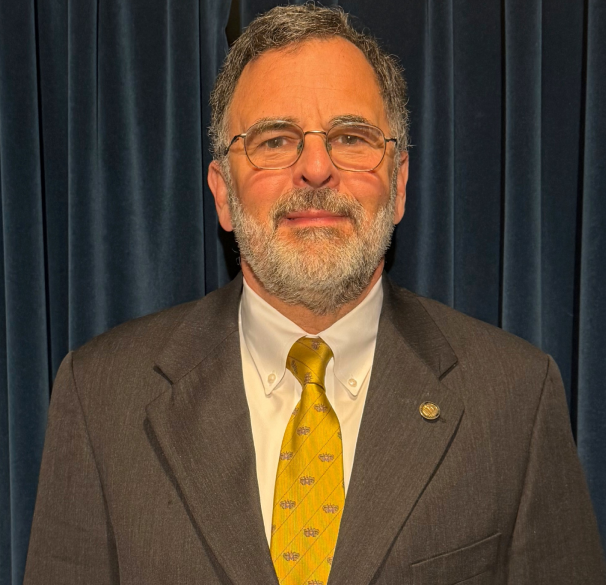
Chris Pringle
RRepublican
Ask Maddy
·
AI policy assistant
Ask Maddy about HB 452
Scope: AL
Hi! I can help you understand HB 452. What would you like to know?
Try one of these
i
Maddy answers using official bill text and legislative records. Always verify before sharing.
Sources cited inline