

Relating to: alternative methods of providing pupil transportation services. (FE)
SB 699 modifies school transportation rules to allow more flexible options. It lowers the standard passenger limit for school buses from 14 to 9 or fewer people (excluding the driver) and creates a new emergency process: school boards can request temporary transportation for 10+ passengers if regular service is unavailable, requiring approval from the transportation secretary. The bill also specifies insurance requirements, mandating minimum $10,000 property damage and $25,000 bodily injury coverage for non-school-owned vehicles carrying 9 or fewer passengers. These changes directly affect school districts, bus contractors, and private providers offering pupil transportation services.
Bill status
vetoed
4 of 5 stages cleared
Introduction
Dec 2025
Committee Review
Jan 2026
Senate Passage
Mar 2026
Assembly Passage
Feb 2026
Vetoed
Apr 2026
Introduced Dec 2, 2025
Vetoed Apr 6, 2026
Maddy AI version diff · 1 comparison
What changed between versions
Bill Text
→
Text as Enrolled
·
4 edits
MODERATE
This bill amends Wisconsin statutes to increase the passenger capacity limits for non-school bus vehicles used for pupil transportation. It raises the limit for regular use from 9 to 14 passengers and the limit for emergency use from 10 to 15 passengers. The text also includes updated insurance requirements and formatting changes typical of a bill moving from draft to final enrolled status.
Scope change
The bill expands the scope of eligible vehicles by allowing more passengers to be transported without triggering an emergency declaration, thereby increasing flexibility for school transportation logistics.
ELIGIBILITY
Increased the maximum number of passengers allowed in a non-school bus vehicle for regular use from 9 to 14.
Increased the maximum number of passengers allowed in a non-school bus vehicle for emergency use from 10 to 15.
REQUIREMENT
Updated insurance liability limits for vehicles transporting 14 or fewer passengers to ensure compliance with state standards.
TECHNICAL
Added standard enrolled bill formatting, including the date of enactment and the official act title.
Floor votes · Assembly Feb 17, 2026
How they voted
This bill passed the Senate by voice vote (no roll call recorded).
Full legislative history
Actions timeline
Total actions
39
Key actions
6
Committee
1
Amendments
5
Apr 6, 2026
Vetoed
Report vetoed by the Governor on 4-3-2026
upper
Mar 17, 2026
Upper · Passed
Assembly Substitute Amendment 3 concurred in
upper
Feb 18, 2026
Upper · Passed
Received from Assembly amended and concurred in as amended, Assembly Substitute Amendment 3 adopted
upper
Feb 17, 2026
Lower · Passed
Read a third time and concurred in as amended, Ayes 60, Noes 39
lower
Feb 17, 2026
Lower · Passed
Assembly Substitute Amendment 3 adopted
lower
Feb 17, 2026
Introduced
Assembly Substitute Amendment 3 offered by Representative Brill
lower
Feb 17, 2026
Introduced
Assembly Substitute Amendment 2 offered by Representative Rivera-Wagner
lower
Feb 17, 2026
Introduced
Assembly Substitute Amendment 1 offered by Representative Neubauer
lower
Feb 11, 2026
Upper · Passed
Read a third time and passed
upper
Jan 13, 2026
Upper · Passed
Report passage recommended by Committee on Transportation and Local Government, Ayes 3, Noes 2
upper
Dec 2, 2025
Introduced
Introduced by Senators LeMahieu, Marklein and Nass;
cosponsored by Representatives Brill, Behnke, Dittrich, Goeben, Gundrum, Kitchens, Knodl, Kreibich, Melotik, Murphy, Penterman, Piwowarczyk and Wichgers
upper
3 primary · 0 co-sponsors
Sponsors
Role
Legislator
Party
State
District
P

Devin LeMahieu
RRepublican
P
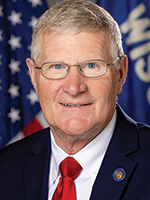
Howard Marklein
RRepublican
P

Steve Nass
RRepublican
Ask Maddy
·
AI policy assistant
Ask Maddy about SB 699
Scope: WI
Hi! I can help you understand SB 699. What would you like to know?
Try one of these
i
Maddy answers using official bill text and legislative records. Always verify before sharing.
Sources cited inline