

Relating to: required ratio of journeyworkers to apprentices in apprenticeship programs and contracts.
AB 241 amends Wisconsin statute 106.015(1) to prohibit requiring more than one journeyworker for every two apprentices in apprenticeship programs or contracts. This directly affects apprenticeship programs, particularly those governed by collective bargaining agreements, by limiting the minimum journeyworker-to-apprentice ratio. The bill prevents state agencies from enforcing or authorizing stricter ratios (e.g., requiring two journeyworkers per apprentice) through rules, program approvals, or contracts. It takes effect for collective bargaining agreements when they expire or are modified, renewed, or extended. The legislation aims to standardize ratio requirements across apprenticeship programs statewide.
Bill status
vetoed
4 of 5 stages cleared
Introduction
May 2025
Committee Review
Mar 2026
Assembly Passage
Feb 2026
Senate Passage
Mar 2026
Vetoed
Apr 2026
Introduced May 2, 2025
Vetoed Apr 8, 2026
Maddy AI version diff · 1 comparison
What changed between versions
Bill Text
→
Text as Enrolled
·
4 edits
MODERATE
This bill updates Wisconsin's apprenticeship laws to allow a higher ratio of one journeyworker for every two apprentices, rather than the previous limit of one-to-one. It also creates specific rules for construction trades and adds an exemption for apprentices covered by collective bargaining agreements.
Scope change
The bill expands the allowable apprentice-to-journeyworker ratio from 1:1 to 1:2 for most trades and introduces a separate, stricter 1:1 ratio requirement specifically for construction trades.
REQUIREMENT
Increased the maximum allowable ratio of apprentices to journeyworkers from one-to-one to one-to-two for most apprenticeship programs.
Created a new provision requiring a one-to-one ratio specifically for apprentices in construction trades.
ELIGIBILITY
Added an exemption stating that the new ratio limits do not apply to apprentices whose employment is governed by a collective bargaining agreement.
TECHNICAL
Renumbered existing statute subsections and added new subsections to accommodate the new construction trade rules and exemptions.
Floor votes · Assembly Feb 19, 2026
How they voted
This bill passed the Senate by voice vote (no roll call recorded).
Full legislative history
Actions timeline
Total actions
34
Key actions
6
Committee
4
Amendments
4
Apr 8, 2026
Vetoed
Report vetoed by the Governor on 4-8-2026
lower
Mar 17, 2026
Upper · Passed
Read a third time and concurred in, Ayes 18, Noes 15
upper
Mar 16, 2026
Upper · Passed
Public hearing requirement waived by committee on Senate Organization, pursuant to Senate Rule 18 (1m), Ayes 3, Noes 2
upper
Feb 19, 2026
Lower · Passed
Read a third time and passed, Ayes 54, Noes 40
lower
Feb 19, 2026
Lower · Passed
Assembly Amendment 2 adopted
lower
Jun 20, 2025
Committee
Referred to committee on Rules
lower
Jun 20, 2025
Lower · Passed
Report passage as amended recommended by Committee on Workforce Development, Labor, and Integrated Employment, Ayes 6, Noes 3
lower
Jun 20, 2025
Lower · Passed
Report Assembly Amendment 2 adoption recommended by Committee on Workforce Development, Labor, and Integrated Employment, Ayes 9, Noes 0
lower
Jun 9, 2025
Introduced
LRB correction (Assembly Amendment 2)
lower
Jun 5, 2025
Introduced
Assembly Amendment 2 offered by Representative Maxey
lower
May 28, 2025
Introduced
Assembly Amendment 1 offered by Representative Maxey
lower
May 2, 2025
Introduced
Introduced by Representatives Maxey, Neylon, Armstrong, Brill, Brooks, Dittrich, Franklin, Goeben, Green, Gundrum, Gustafson, Knodl, Melotik, Murphy, Novak, O'Connor, Penterman, Tucker, Wichgers, Wittke and Zimmerman;
cosponsored by Senators Kapenga, Cabral-Guevara, Feyen, Hutton, Jacque, James and Stafsholt
lower
21 primary · 0 co-sponsors
Sponsors
Role
Legislator
Party
State
District
P
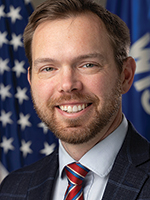
Adam Neylon
RRepublican
P
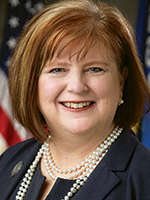
Barbara Dittrich
RRepublican
P
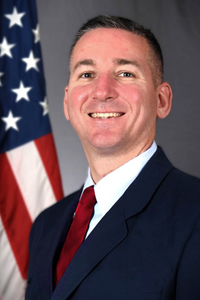
Ben Franklin
RRepublican
P
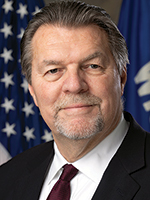
Bob Wittke
RRepublican
P

Chanz Green
RRepublican
P
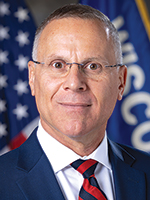
Chuck Wichgers
RRepublican
P
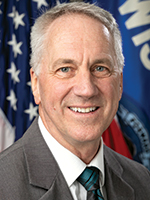
Dan Knodl
RRepublican
P
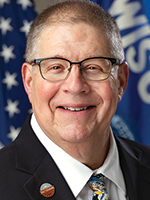
Dave Armstrong
RRepublican
P
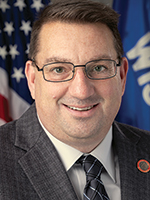
Dave Maxey
RRepublican
P
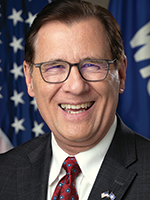
Dave Murphy
RRepublican
P
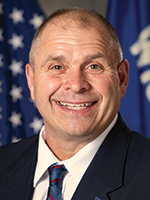
Duke Tucker
RRepublican
P
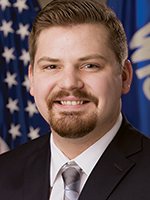
Gus Gustafson
RRepublican
P
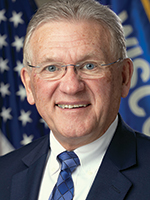
Jerry O'Connor
RRepublican
P
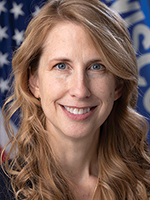
Joy Goeben
RRepublican
P

Lindee Brill
RRepublican
P
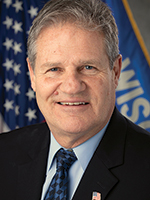
Paul Melotik
RRepublican
P
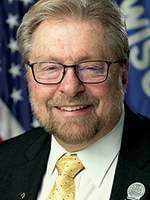
Rick Gundrum
RRepublican
P
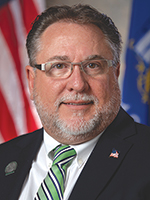
Rob Brooks
RRepublican
P
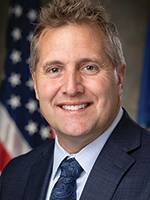
Shannon Zimmerman
RRepublican
P
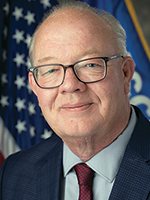
Todd Novak
RRepublican
P

Will Penterman
RRepublican
Ask Maddy
·
AI policy assistant
Ask Maddy about AB 241
Scope: WI
Hi! I can help you understand AB 241. What would you like to know?
Try one of these
i
Maddy answers using official bill text and legislative records. Always verify before sharing.
Sources cited inline