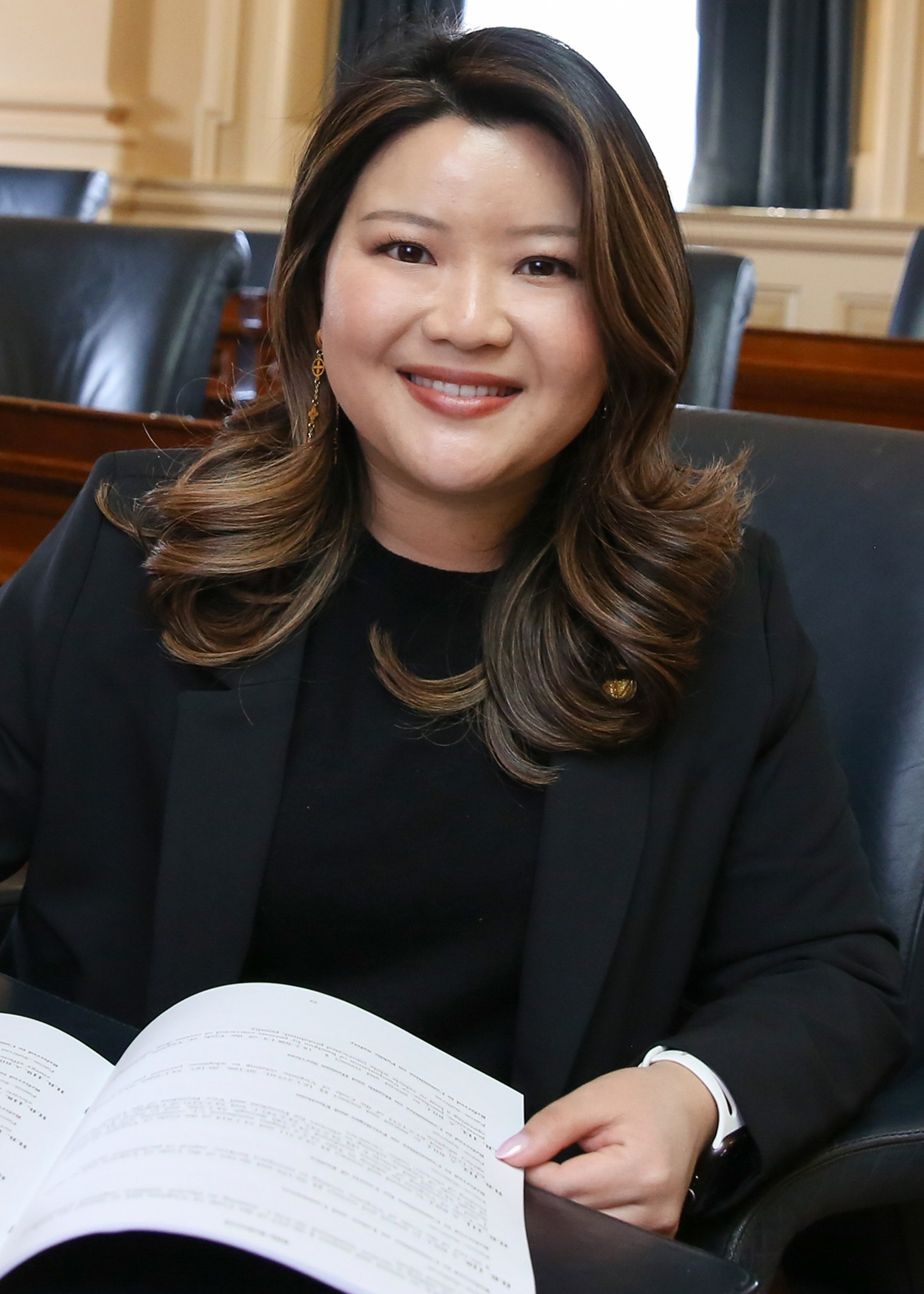
HB 816 Virginia House of Delegates · 2026 Regular Session

Zoning; by-right multifamily residential development in areas zoned for commercial use.

Summary
Zoning; by-right multifamily development. Requires a locality to include provisions in its zoning ordinance allowing for the by-right development and construction of multifamily residential uses and mixed-use developments that include both residential and commercial uses on at least 75 percent of all land contained in commercial or business zoning district classifications, including any land contained in commercial or business zoning district classifications that allow for the by-right development and construction of single-family residential uses. The bill provides that such provisions shall not (i) apply in underdeveloped areas that are covered by a tree canopy of at least 60 percent; (ii) impose more stringent land use requirements for such development than would otherwise be required; (iii) require that a special exception, special use, or conditional use permit be obtained for such development; (iv) require a lower height than the greater of the height of the tallest existing building within 500 feet or the height that would otherwise be allowed; (v) require more than one parking space per unit; (vi) require larger setbacks than the existing building in the locality with the smallest setbacks; or (vii) require more costly amenities or design features than would otherwise be required for multifamily or mixed-use buildings.The bill also (a) stipulates that the review and approval of such development shall be done administratively by the locality's staff; (b) requires that the zoning ordinance provisions must exempt any proposed development that converts an existing building to a multifamily residential use from any setback, height, or frontage requirements; (c) prohibits the zoning ordinance provisions to require any proposed development to dedicate some or all of its ground floor space to commercial uses; and (d) provides that any proposed residential development that dedicates a minimum of 10 percent of the total number of housing units to affordable housing may be offered application incentives by the locality. The bill also prohibits localities from approving any commercial or business use on a property adjacent to the approved multifamily residential development that is different from the use that had been established at the time the multifamily residential development was approved.
Bill status failed 4 of 5 stages cleared
Introduction
Jan 2026
Committee Review
Mar 2026
House of Delegates Passage
Jan 2026
Senate Passage
Mar 2026
Governor
Introduced Jan 13, 2026 Last action Mar 4, 2026
Maddy AI version diff · 2 comparisons

What changed between versions

Local Government Substitute Engrossed · 8 edits · Jan 29, 2026
MODERATE
The bill was significantly rewritten to expand the scope of by-right multifamily development from 50% to 75% of commercial zoning areas and to include mixed-use projects. The new version removes many previous restrictions, such as the ban on developments in areas with high tree canopy coverage, and adds new provisions for affordable housing incentives and protections against future commercial rezoning. It also clarifies that developers must still provide necessary infrastructure improvements.
Scope change
The bill's scope expanded from applying only to cities/towns over 20,000 people or specific metropolitan planning areas to all commercial and business zoning districts, including those allowing single-family homes. It also removed the exclusion for areas with 60% tree canopy coverage.
REQUIREMENT

Increased the required percentage of commercial zoning districts allowing by-right multifamily development from 50% to 75%.

Added a requirement that developers provide necessary infrastructure improvements for the development.

Added a provision preventing localities from approving new commercial uses adjacent to approved multifamily developments that differ from the original approved use.

Added incentives for developers who dedicate at least 10% of units to affordable housing, such as fee waivers or expedited processing.

Changed the rule for existing building conversions to exempt them from setback, height, or frontage requirements, provided the building's footprint, height, and setbacks remain unchanged.

Removed the list of specific exclusions for heavy industrial uses, Business Ready Sites, and casino locations that previously barred by-right development.

Added specific prohibitions on requiring more than one parking space per unit or larger setbacks than existing buildings in the locality.

ELIGIBILITY

Removed the exclusion that prevented by-right development in areas with at least 60% existing tree canopy coverage.

Floor votes · Senate Mar 3, 2026 · House of Delegates Jan 29, 2026

How they voted

390
Passed
Total votes 39
Mar 3, 2026
D Democratic20
20 Yea
100% Yea
R Republican19
19 Yea
100% Yea
Vote distribution
All Yea All Nay Mixed No data
Full legislative history

Actions timeline

Total actions
29
Key actions
11
Committee
10
Amendments
5
Mar 4, 2026
Upper · Passed
Senator Favola Amendments agreed to
upper
Mar 4, 2026
Introduced
Reading of amendments waived
upper
Mar 4, 2026
Introduced
Floor offered Senator Favola Amendments
upper
Mar 3, 2026
Upper · Passed
Passed by for the day Block Vote (Voice Vote)
upper
Mar 2, 2026
Upper · Passed
Reported from Local Government with substitute (9-Y 6-N)
upper
Mar 2, 2026
Upper · Passed
Senate committee offered
upper
Feb 27, 2026
Upper · Passed
Senate committee offered
upper
Jan 30, 2026
Committee
Referred to Committee on Local Government
upper
Jan 29, 2026
Lower · Passed
Read third time and passed House (64-Y 35-N 0-A)
lower
Jan 28, 2026
Introduced
Engrossed by House as amended
lower
Jan 28, 2026
Lower · Passed
committee amendments agreed to
lower
Jan 23, 2026
Lower · Passed
Reported from Counties, Cities and Towns with amendment(s) (14-Y 6-N)
lower
Jan 23, 2026
Lower · Passed
House committee offered
lower
Jan 22, 2026
Lower · Passed
Subcommittee recommends reporting with amendment(s) (6-Y 1-N)
lower
Jan 22, 2026
Lower · Passed
House subcommittee offered
lower
Jan 20, 2026
Committee
Assigned HCCT sub: Subcommittee #2
lower
Jan 13, 2026
Committee
Referred to Committee on Counties, Cities and Towns
lower
1 primary · 4 co-sponsors

Sponsors