

Electric utilities; energy efficiency upgrades, report.
Summary
Phase I and Phase II Utilities; energy efficiency upgrades; low-income residents; report. States that it is the policy of the Commonwealth to reduce, wherever feasible and cost-effective, heating-related costs of living for low-income residents. The bill requires Dominion Energy Virginia and Appalachian Power to make best, reasonable efforts to provide by December 31, 2031, prescriptive efficiency measures, as defined in the bill, and related efficiency improvements to at least 30 percent of the qualifying households, as defined in the bill, identified by such utilities, provided that the State Corporation Commission determines that such measures and improvements are in the public interest. The bill requires such utilities to report to the Commission its activities, plans, and filings regarding the bill's provisions no later than January 1, 2028, annually thereafter, and in any recurring filing that the Commission deems appropriate. The bill also requires that Dominion Energy and Appalachian Power make reasonable efforts to incorporate recommendations or feedback provided by the task force that evaluates barriers to access and enrollment in programs for income-qualified energy customers. This bill is identical to SB 72.
Bill status
vetoed
4 of 5 stages cleared
Introduction
Nov 2025
Committee Review
Feb 2026
House of Delegates Passage
Mar 2026
Senate Passage
Mar 2026
Vetoed
Apr 2026
Introduced Nov 17, 2025
Vetoed Apr 13, 2026
Maddy AI version diff · 3 comparisons
What changed between versions
Subcommittee #3 Subcommittee Substitute
→
Enrolled
·
3 edits
·
Mar 3, 2026
MINOR
The bill was finalized as an enrolled act, removing placeholder text and adding official session headers. Substantively, the law now requires Phase II utilities to serve up to 8,400 additional low-income households by 2031, increases the target for Phase I utilities to 2,000 households, and mandates that utilities consult with a task force to improve program access and coordination.
Scope change
The bill's scope expanded to include specific numerical targets for Phase II utilities and a new requirement for utilities to engage with a task force on program barriers.
REQUIREMENT
The target number of qualifying households for Phase I utilities was increased to 2,000, and a new target of 8,400 households was added for Phase II utilities by December 31, 2031.
Utilities must now make reasonable efforts to incorporate feedback from a task force designed to evaluate barriers to accessing energy efficiency programs and improve coordination with state and federal resources.
TECHNICAL
Removed internal committee markup indicators, placeholder dates, and draft headers to finalize the text as an enrolled act.
Floor votes · Senate Feb 25, 2026 · House of Delegates Jan 28, 2026
How they voted
39–0
Passed
Total votes 39
Feb 25, 2026
D
Democratic20
100% Yea
R
Republican19
100% Yea
Vote distribution
All Yea
All Nay
Mixed
No data
Full legislative history
Actions timeline
Total actions
30
Key actions
10
Committee
7
Apr 13, 2026
Vetoed
Governor's recommendation received by House
executive
Mar 3, 2026
Upper · Passed
Signed by President
upper
Mar 3, 2026
Lower · Passed
Signed by Speaker
lower
Mar 3, 2026
Lower · Passed
Bill text as passed House and Senate (HB2ER)
lower
Feb 26, 2026
Upper · Passed
Passed Senate (24-Y 16-N 0-A)
upper
Feb 25, 2026
Upper · Passed
Passed by for the day Block Vote (Voice Vote)
upper
Feb 23, 2026
Upper · Passed
Reported from Commerce and Labor (8-Y 6-N)
upper
Jan 29, 2026
Committee
Referred to Committee on Commerce and Labor
upper
Jan 28, 2026
Lower · Passed
Read third time and passed House (65-Y 30-N 0-A)
lower
Jan 22, 2026
Lower · Passed
Reported from Labor and Commerce with substitute (16-Y 6-N)
lower
Jan 22, 2026
Lower · Passed
House committee offered
lower
Jan 20, 2026
Lower · Passed
House subcommittee offered
lower
Jan 15, 2026
Committee
Assigned HCL sub: Subcommittee #3
lower
Nov 17, 2025
Committee
Referred to Committee on Labor and Commerce
lower
1 primary · 2 co-sponsors
Sponsors
Role
Legislator
Party
State
District
P
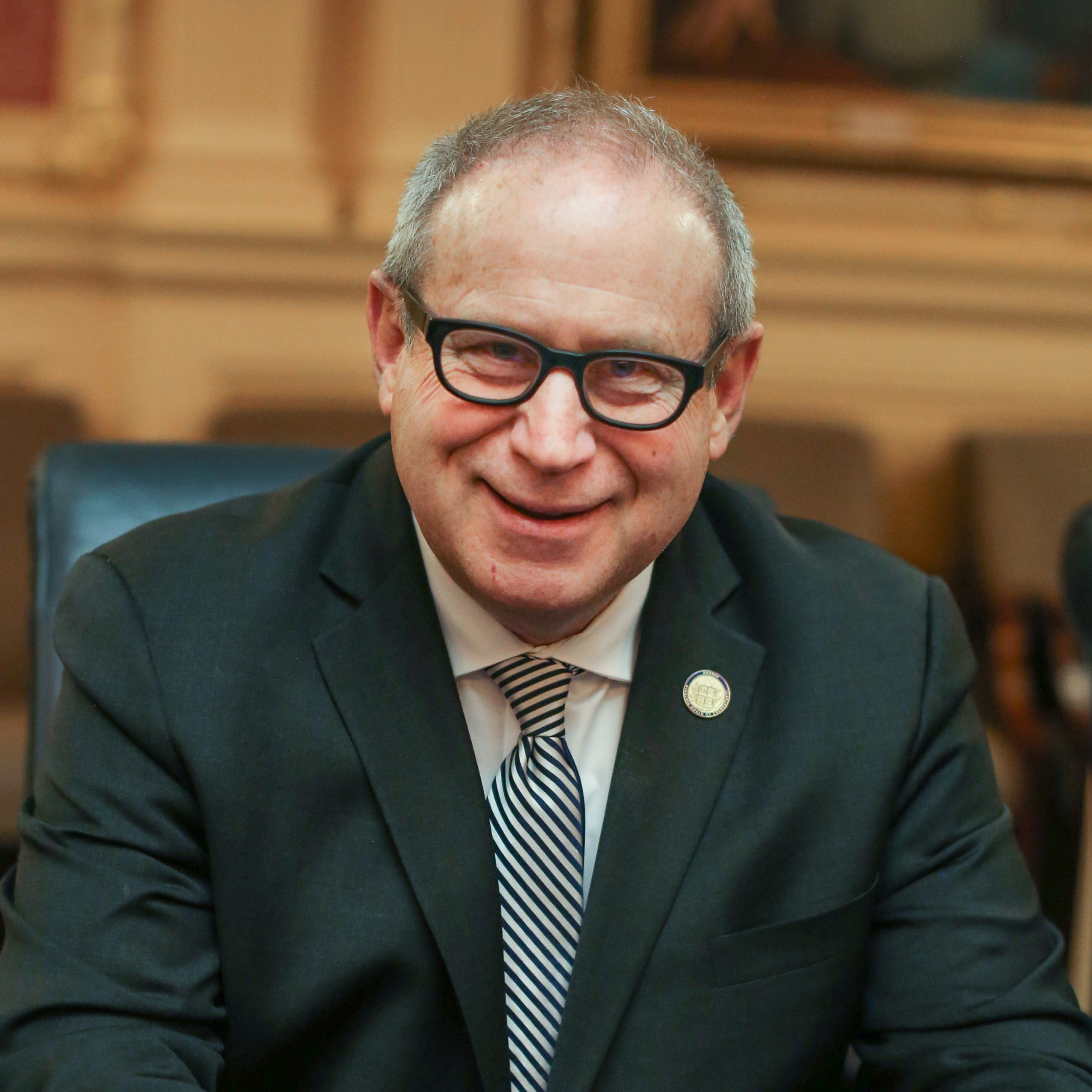
Mark Sickles
DDemocratic
Co

Betsy Carr
DDemocratic
Co
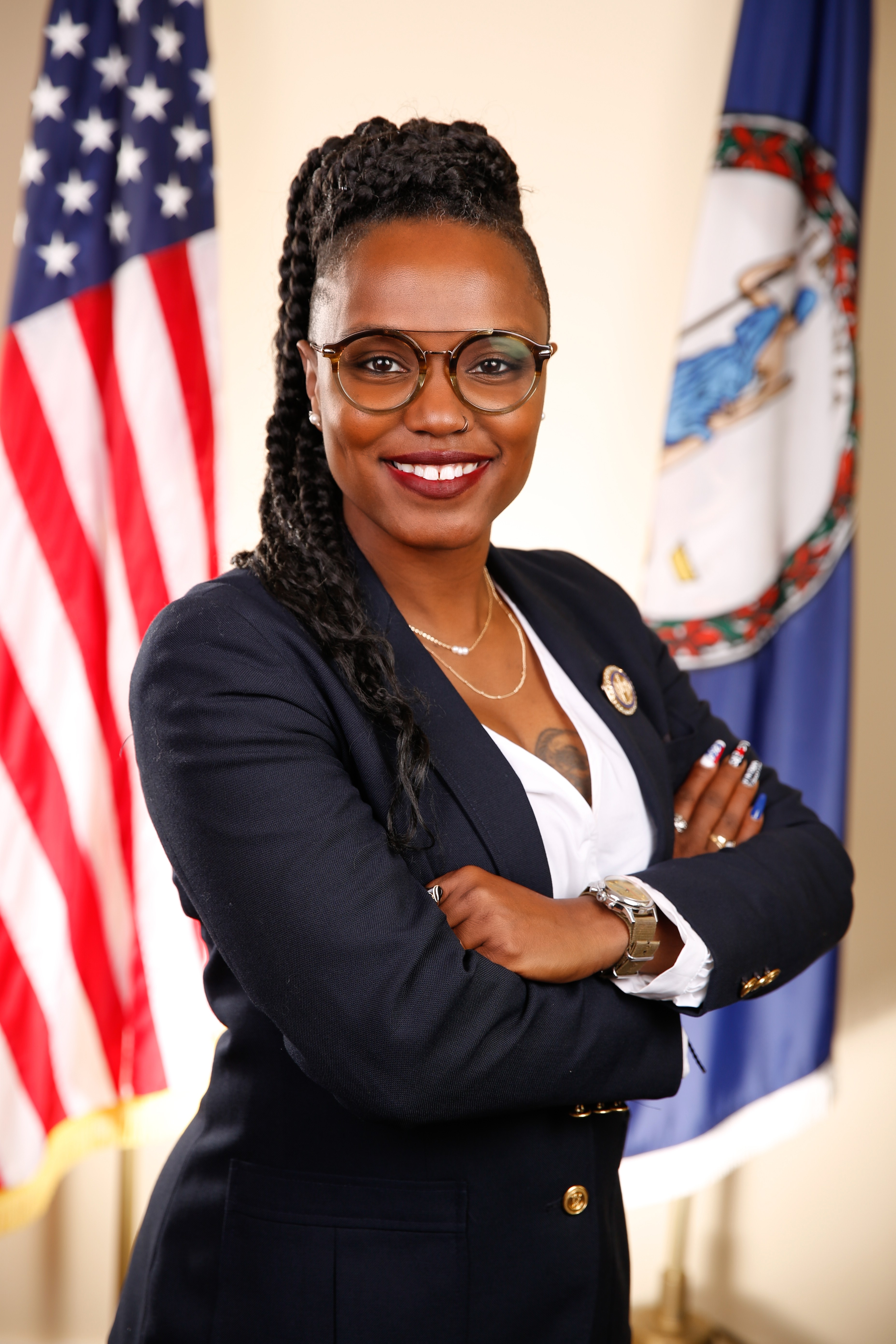
Jackie Glass
DDemocratic
Ask Maddy
·
AI policy assistant
Ask Maddy about HB 2
Scope: VA
Hi! I can help you understand HB 2. What would you like to know?
Try one of these
i
Maddy answers using official bill text and legislative records. Always verify before sharing.
Sources cited inline