

Employees; earned sick leave, civil penalties.
Summary
Earned paid sick time. Requires public and private employers with 15 or more employees to provide those employees with earned paid sick time; however, the provisions of the bill would not apply to an employer that has entered into a bona fide collective bargaining agreement. The measure provides for an employee to earn at least one hour of paid sick leave benefit for every 30 hours worked. An employee shall not use more than 40 hours of earned paid sick time in a year, unless the employer selects a higher limit. Employees shall not be entitled to use accrued earned paid sick time until the ninetieth calendar day following commencement of their employment, unless otherwise permitted by the employer. The bill provides that earned paid sick time may be used (i) for an employee's mental or physical illness, injury, or health condition; an employee's need for medical diagnosis, care, or treatment of a mental or physical illness, injury, or health condition; or an employee's need for preventive medical care; (ii) to provide care to a family member under similar circumstances; (iii) when there is a closure of the employee's place of business or the employee's child's school or place of care due to a public health emergency; or (iv) when an employee's or employee's family member's presence in the community may jeopardize the health of others because of their exposure to a communicable disease. The bill prohibits employers from taking certain retaliatory actions against employees related to leave and authorizes the Commissioner of Labor and Industry, in the case of a knowing violation, to subject an employer to a civil penalty not to exceed $150 for the first violation, $300 for the second violation, and $500 for each successive violation, if the second or successive violation occurs within two years of the previous violation. The Commissioner of Labor and Industry may institute proceedings on behalf of an employee to enforce compliance with this measure and to collect specified amounts from the employer, which shall be awarded to the employee. Alternatively, an aggrieved employee is authorized to bring a civil action against the employer in which he may recover double the amount of any unpaid earned sick time and the amount of any actual damages suffered as the result of the employer's violation. The bill has a delayed effective date of January 1, 2021, and incorporates SB 1069.
Bill status
failed
4 of 5 stages cleared
Introduction
Jan 2020
Committee Review
Mar 2020
Senate Passage
Mar 2020
House of Delegates Passage
Feb 2020
Governor
Introduced Jan 7, 2020
Last action Mar 12, 2020
Floor votes
How they voted
This bill passed the Senate by voice vote (no roll call recorded).
Full legislative history
Actions timeline
Total actions
53
Key actions
19
Committee
17
Amendments
4
Mar 8, 2020
Upper · Passed
Passed by temporarily
upper
Mar 5, 2020
Lower · Passed
Conference report agreed to by House (52-Y 45-N)
lower
Mar 4, 2020
Upper · Passed
Passed by for the day
upper
Mar 4, 2020
Upper · Passed
Passed by temporarily
upper
Mar 3, 2020
Legislature · Passed
Amended by conference committee
legislature
Feb 26, 2020
Lower · Passed
House requested conference committee
lower
Feb 26, 2020
Introduced
House insisted on amendments
lower
Feb 26, 2020
Lower · Passed
Passed House with amendments (52-Y 48-N)
lower
Feb 26, 2020
Introduced
Engrossed by House as amended
lower
Feb 26, 2020
Lower · Passed
Amendments by Delegate Guzman agreed to
lower
Feb 26, 2020
Lower · Passed
Committee on Appropriations amendment agreed to
lower
Feb 26, 2020
Lower · Passed
Committee on Labor and Commerce amendments #'s 1-7 and #'s 10-13 agreed to
lower
Feb 21, 2020
Lower · Passed
Reported from Appropriations with amendment (12-Y 10-N)
lower
Feb 20, 2020
Committee
Referred to Committee on Appropriations
lower
Feb 20, 2020
Lower · Passed
Reported from Labor and Commerce with amendments (13-Y 9-N)
lower
Feb 20, 2020
Lower · Passed
House committee, floor amendments and substitutes offered
lower
Feb 19, 2020
Committee
Referred to Committee on Labor and Commerce
lower
Feb 11, 2020
Upper · Passed
Passed Senate (23-Y 17-N)
upper
Feb 11, 2020
Upper · Passed
Engrossed by Senate - committee substitute with amendment SB481ES1
upper
Feb 11, 2020
Upper · Passed
Committee amendment agreed to
upper
Feb 11, 2020
Introduced
Reading of amendment waived
upper
Feb 11, 2020
Upper · Passed
Committee substitute agreed to 20106951D-S1
upper
Feb 6, 2020
Upper · Passed
Reported from Finance and Appropriations with amendment (11-Y 5-N)
upper
Feb 3, 2020
Committee
Rereferred to Finance and Appropriations
upper
Feb 3, 2020
Upper · Passed
Reported from Commerce and Labor with substitute (12-Y 3-N)
upper
Jan 7, 2020
Committee
Referred to Committee on Commerce and Labor
upper
Jan 7, 2020
Introduced
Prefiled and ordered printed; offered 01/08/20 20104341D
upper
1 primary · 11 co-sponsors
Sponsors
Role
Legislator
Party
State
District
P

Barbara Favola
DDemocratic
Co

Adam Ebbin
DDemocratic
Co
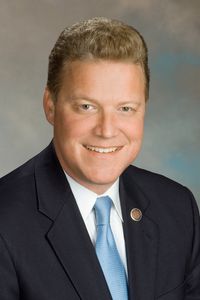
Bill Stanley
RRepublican
Co

Dave Marsden
DDemocratic
Co
GB
George Barker
DDemocratic
Co
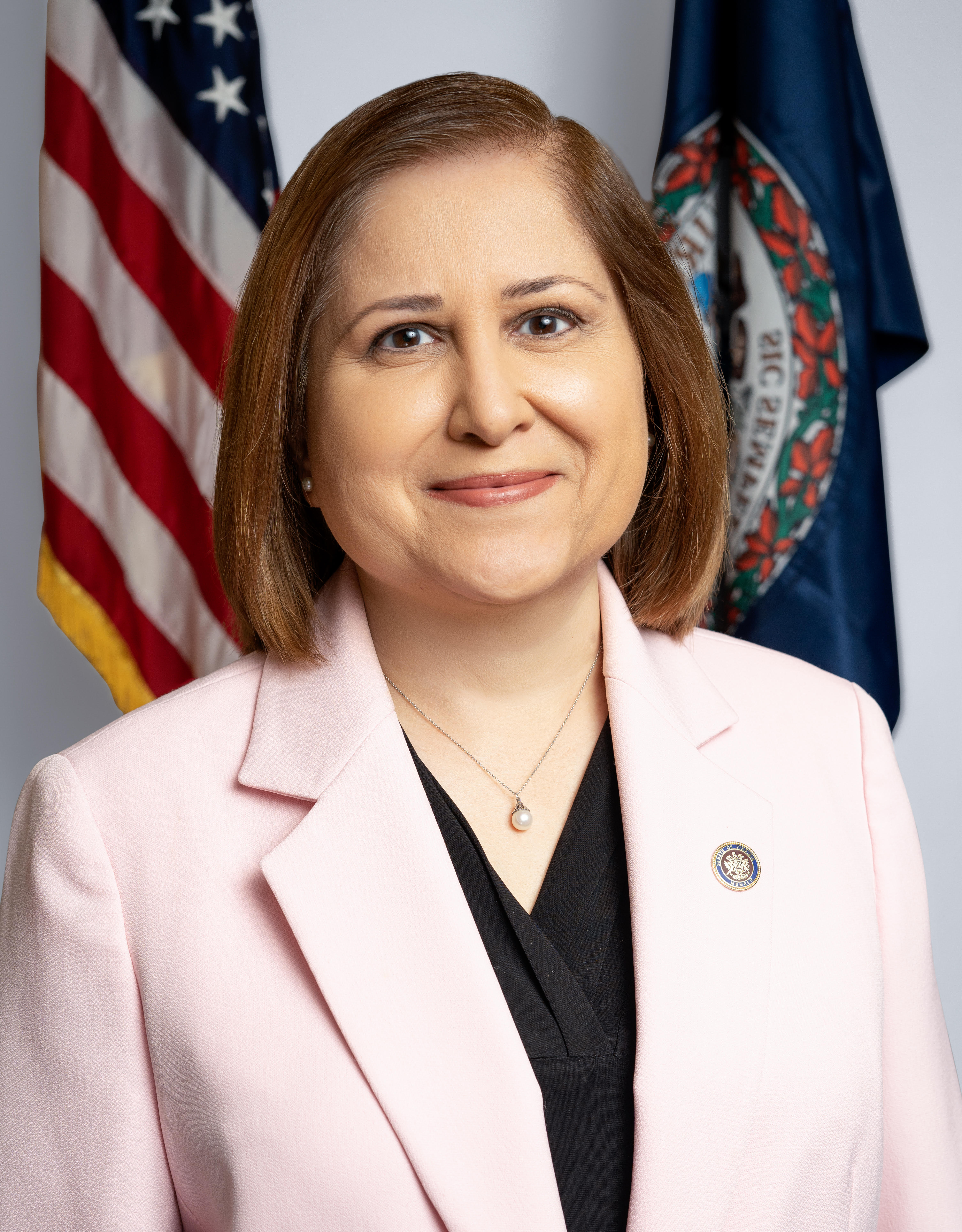
Ghazala Hashmi
DDemocratic
Co

Jennifer Boysko
DDemocratic
Co
JL
Jennifer L McClellan
DDemocratic
Co
JB
John Bell
DDemocratic
Co

Karrie Delaney
DDemocratic
Co
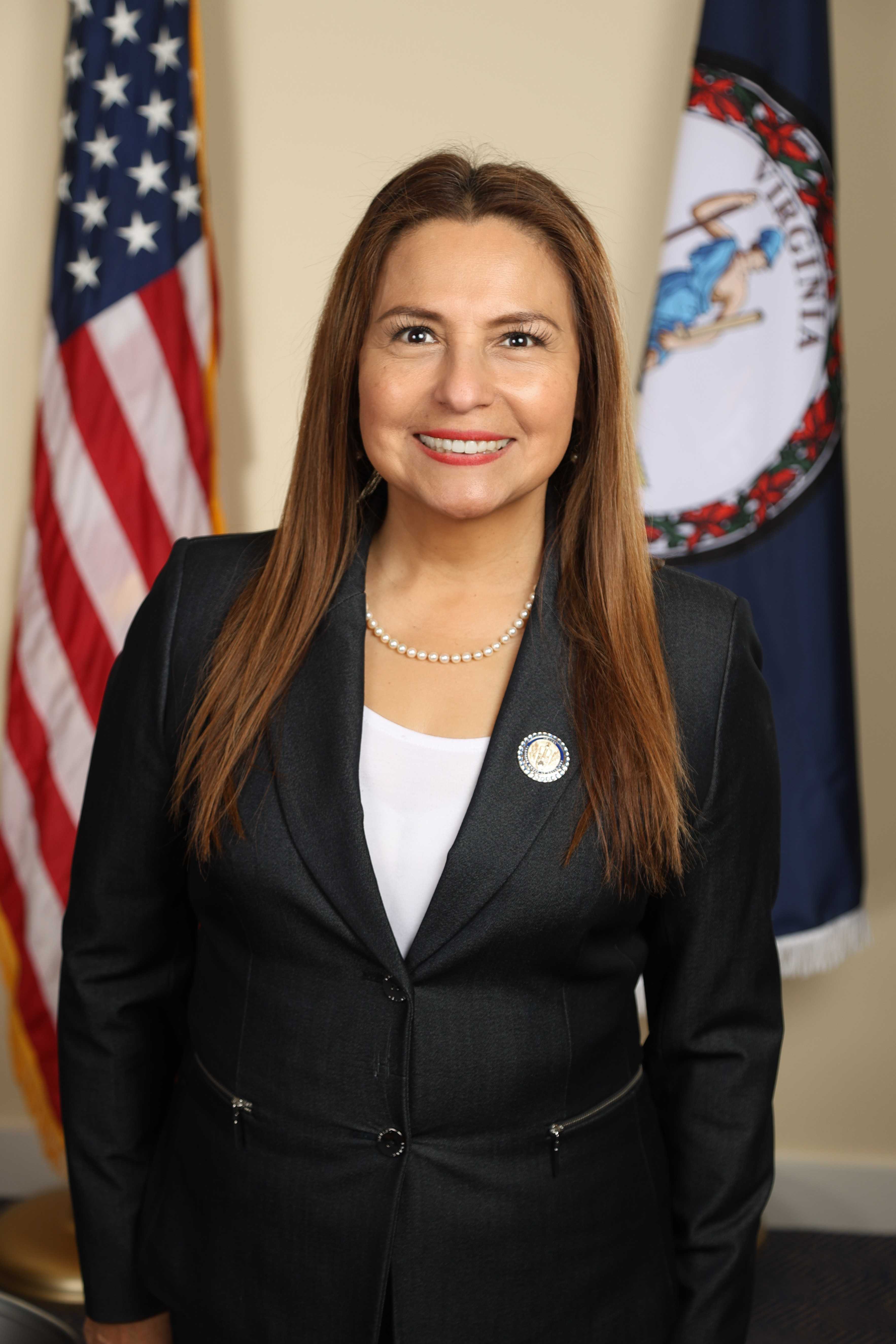
Liz Guzmán
DDemocratic
Ask Maddy
·
AI policy assistant
Ask Maddy about SB 481
Scope: VA
Hi! I can help you understand SB 481. What would you like to know?
Try one of these
i
Maddy answers using official bill text and legislative records. Always verify before sharing.
Sources cited inline