

Maddy summaryHR 5267, the American Franchise Act, clarifies when franchisors can be considered joint employers of franchisee employees under federal labor laws. It defines "substantial direct and immediate control" over essential employment terms like wages, benefits, hours, hiring, and discipline - requiring franchisors to actively set these terms to be deemed joint employers. The bill explicitly excludes routine brand standards, training, or minimal safety requirements from constituting such control. This directly affects franchisors and franchisees by limiting joint employer liability to cases where franchisors exert significant, ongoing influence over core employment decisions. The law applies prospectively to new cases after enactment, not past disputes.
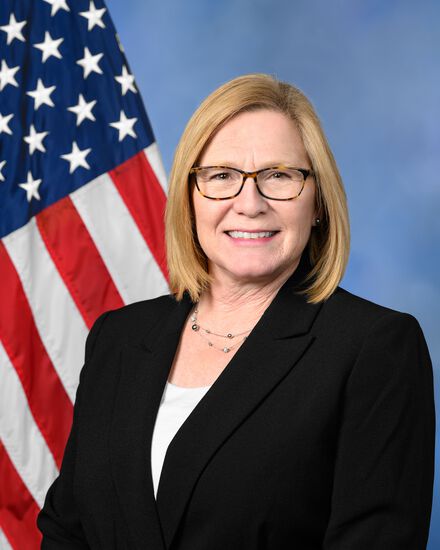
Rep. Michelle Fischbach
Sponsored bills
National Law Enforcement Officers Remembrance, Support and Community Outreach Act. [ sic ] This bill temporarily directs the Department of the Interior to award a grant to the National Law Enforcement Officers Memorial Fund for the expenses associated with operating and enhancing the community outreach, public education, and officer safety and wellness programs of the National Law Enforcement Museum.
Maddy summaryThe Hardworking Seniors Act would allow individuals who are eligible for Medicare Part A hospital insurance based on their age to contribute to Health Savings Accounts (HSAs). Currently, these individuals are generally prohibited from making HSA contributions once they become entitled to any form of Medicare. The bill modifies the Internal Revenue Code to exclude age-based Medicare Part A entitlement from the definition of conditions that disqualify a person from contributing to an HSA. This change would take effect for taxable months beginning after December 31, 2026.
Maddy summaryThis bill reauthorizes funding for the C.W. Bill Young Cell Transplantation Program, setting $31 million for fiscal year 2025 and $33 million annually for fiscal years 2027-2031. It also extends the deadline for the national cord blood inventory program from 2026 to 2031. The legislation directly affects stem cell research programs and cord blood banks by maintaining federal funding levels and prolonging the inventory program’s timeline. These provisions ensure continuity for existing research infrastructure and blood bank operations without introducing new policy changes.
Maddy summaryHR 1266, the Combating Illicit Xylazine Act, adds xylazine - a veterinary sedative increasingly found in illicit drug mixtures - to Schedule III of the Controlled Substances Act, regulating its use and trafficking. It directly affects veterinarians, animal owners, and manufacturers by allowing xylazine to be legally dispensed for animal use under specific veterinary prescriptions, while prohibiting non-veterinary human use. The bill includes transition periods (60 days for practitioners, 1 year for labeling) to ease compliance for manufacturers and practitioners, and requires the DEA and FDA to expedite necessary applications. It also mandates two congressional reports on xylazine's illicit use and trafficking patterns, and directs the Sentencing Commission to review penalties for offenses involving xylazine.
Maddy summaryThe Take Care of America's Veterans Act is a comprehensive legislative bill designed to improve benefits, healthcare access, and administrative efficiency for veterans and their families. The bill directly affects veterans, their surviving spouses, caregivers, and the Department of Veterans Affairs (VA). Key provisions include expanding disability compensation for combat-related retirees, allowing remarried surviving spouses to retain certain survivor benefits, and increasing compensation rates for specific disability conditions like sleep apnea and tinnitus. The legislation also mandates significant healthcare improvements, such as establishing a pilot program to coordinate care between the VA and Medicare, creating a formulary for prosthetic items, and requiring the VA to provide lactation spaces in all medical centers. Additionally, the bill introduces administrative reforms to speed up claims processing, prohibit denying claims solely for missed medical appointments, and enhance oversight of the VA's disability rating system.
Maddy summaryThis bill requires Medicare Advantage plans to implement electronic pre-approval systems for medical services by 2028 and meet transparency reporting standards starting in 2027. Plans must publicly report data on approval/denial rates, appeal outcomes, response times, and technology use for pre-approval requests, including details on how denials relate to clinical criteria. It establishes a 24-hour response timeframe for certain requests and mandates annual reviews of pre-approval requirements based on data and input from seniors and providers. The law directly affects Medicare Advantage plans, seniors enrolled in these plans, and healthcare providers who submit pre-approval requests. These changes aim to make the pre-approval process faster, more transparent, and more accountable for seniors seeking covered medical services.
Protecting Privacy in Purchases Act This bill prohibits payment card networks from using merchant codes that distinguish firearms retailers from general-merchandise retailers or sporting-goods retailers. The Department of Justice must enforce this bill and report annually on the resulting investigations and cases.
Maddy summaryThe Diesel Engine Flexibility Act establishes a ten-year regulatory stability period for diesel engines used in on-road vehicles, non-road equipment, and heavy-duty trucks. During this time, the Environmental Protection Agency is prohibited from issuing new or stricter emission standards beyond the 2007 and 2010 rules for on-road vehicles, or the Tier 4 rules for non-road engines, unless specific exceptions for repairs or fraud enforcement apply. After the decade concludes, any new regulations must include a five-year delay before taking effect and must consider the financial and operational impacts on vehicle owners and manufacturers. The bill also provides legal protection for manufacturers using specific guidance documents to manage engine performance and monitor fluid quality without facing penalties.
Maddy summaryThe FRAUD Act requires state governors and officials who manage federal funds to report specific fraud warnings to the FBI within 180 days. To receive federal funding in the future, state leaders must certify that their officials have complied with this reporting requirement. Officials who knowingly fail to report these warnings or obstruct fraud investigations face criminal penalties, including fines and up to 10 years in prison. Additionally, agencies overseeing federal funds can ban convicted officials from managing those funds, though the law explicitly states it does not allow for the removal of elected state officials.