

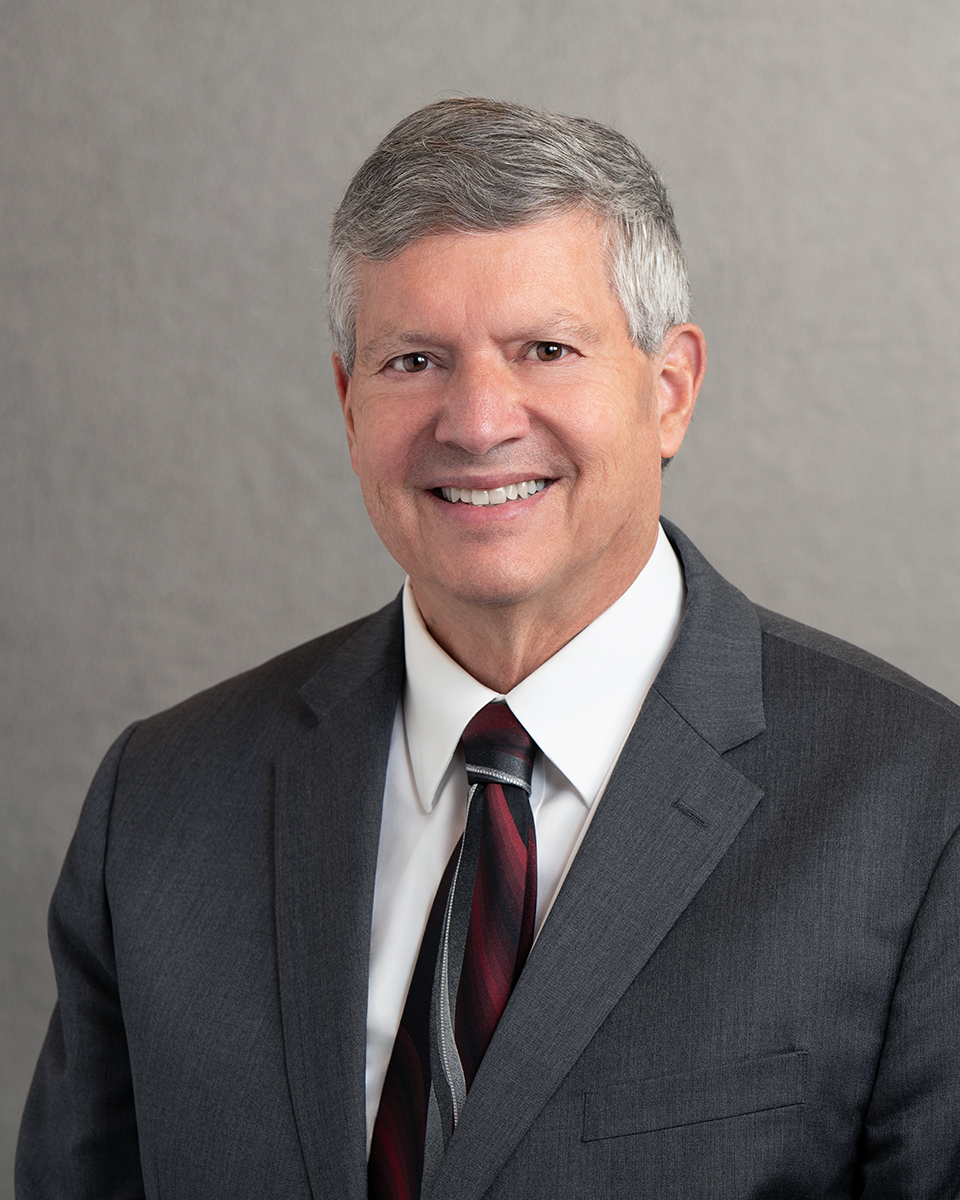
Photo of Wayne Harper
R Utah Senate · District 16

Sen. Wayne Harper

Compare
Total votes
5,693
all sessions
Attendance
92%
94 missed
Near the chamber average
With party
96%
of cast votes
Near the chamber average
Bipartisan score
2%
crosses aisle rarely
Near the chamber average
Sponsored
283
bills & resolutions
Near the chamber average
Committees
7
assignments
283 bills and resolutions

Sponsored bills

Total
283
Primary
152
Co-sponsor
131
This page
283
matching current filters
Co-sponsor HB 192
Signed into law · Utah House · Co-sponsor
Vehicle Inspection Fee Amendments

Maddy summaryHB 192 removes fixed price limits on labor fees that safety inspection stations can charge for vehicle safety inspections in Utah. Previously, stations could not charge more than $14 for motorcycles, $30 for standard vehicles, or $40 for complex vehicles requiring disassembly. The bill allows stations to set "reasonable" fees without these statutory caps, directly affecting inspection stations by changing their fee structure. This amendment takes effect on May 6, 2026, with no new state funding required.

Signed into law Mar 26, 2026 1 co-sponsor
Primary SB 151
Signed into law · Utah Senate · Lead sponsor
Public Safety Funding Amendments

Maddy summarySB 151 modifies how Utah allocates insurance premium tax revenue to fund public safety. It directs $5 million in FY 2027 toward firefighter retirement programs and creates a new Motor Vehicle Safety Impact Account to fund hiring new Highway Patrol troopers through annual transfers from insurance tax revenue. The bill clarifies funding priorities for firefighter retirement, requires the state to notify lawmakers if excess revenue is collected, and repeals outdated provisions. These changes directly affect firefighters' retirement benefits and Highway Patrol staffing levels.

Signed into law Mar 26, 2026 0 co-sponsors
Co-sponsor HB 217
Signed into law · Utah House · Co-sponsor
Stolen Vehicle Amendments

Maddy summaryHB 217 prevents local governments from blocking or delaying vehicle theft reports, especially for rental cars. It requires police to accept reports immediately if evidence shows theft (e.g., unauthorized use, fraud, or refusal to return the vehicle), but allows a 48-hour waiting period for rentals unless such evidence exists. Local authorities can request basic documentation like proof of ownership and rental agreement details before processing reports. This directly affects renters, rental companies, and law enforcement agencies handling vehicle theft claims.

Signed into law Mar 26, 2026 1 co-sponsor
Primary SB 197
Signed into law · Utah Senate · Lead sponsor
Transportation Funding and Governance Amendments

Maddy summarySB 197 changes governance for large public transit districts in Utah by replacing their board of trustees with a transit commission appointed by the governor. It requires annual financial reports to the Transportation and Infrastructure Appropriations Subcommittee, removes the requirement for a local advisory council, and clarifies duties between the commission and executive director. The bill makes technical updates to existing laws governing these districts but does not appropriate new funds. These changes primarily affect administrative operations of large transit districts, not service delivery or funding levels.

Signed into law Mar 26, 2026 0 co-sponsors
Primary SB 242
Signed into law · Utah Senate · Lead sponsor
Transportation Amendments

Maddy summarySB 242 amends Utah's transportation laws to affect local governments, commercial vehicle operators, and public transit agencies. It allows cities to restrict mobile food businesses on temporarily closed streets during events, requires heavier electric trucks (6,001+ lbs) to pay higher road usage fees, and exempts buses from lane restriction rules when stopping at designated stops. The bill also provides sales tax exemptions for transit construction materials, mandates local governments to report highway fund spending, and updates towing fee rules and disaster response authority for transportation agencies. These changes focus on operational flexibility, funding mechanisms, and safety adjustments without altering tax rates or creating new revenue streams.

Signed into law Mar 25, 2026 0 co-sponsors
Co-sponsor HB 128
Signed into law · Utah House · Co-sponsor
Traffic Amendments

Maddy summaryHB 128 removes the requirement for drivers to use turn signals when entering, navigating, or exiting roundabouts in Utah. This change directly affects all drivers using roundabouts statewide by simplifying a previously mandated signaling step. The bill amends Utah Code Section 41-6a-804 to explicitly exempt roundabouts from standard turn-signal rules, while maintaining other signaling requirements for lane changes and turns elsewhere. It makes no changes to vehicle safety standards or penalties for other traffic violations. The law takes effect May 6, 2026, after legislative passage.

Signed into law Mar 25, 2026 1 co-sponsor
Co-sponsor HB 481
Signed into law · Utah House · Co-sponsor
Transportation Modifications

Maddy summaryHB 481 repeals Utah's clean vehicle program, ending the issuance of decals that allowed clean fuel vehicles to use high-occupancy vehicle (HOV) lanes. It changes how class B and C road funds are distributed to counties and directs local corridor preservation funds to go directly to local governments instead of passing through the state Transportation Fund. The bill also clarifies that cities and counties gain jurisdiction over completed commuter rail facilities after projects finish, while amending road usage charge rates. These changes affect local governments managing transportation funds, commuters using HOV lanes, and transportation planners overseeing road projects.

Signed into law Mar 24, 2026 1 co-sponsor
Primary SCR 10
Signed into law · Utah Senate · Lead sponsor
Concurrent Resolution Emphasizing Utah's Commitment to Advanced Air Mobility

Maddy summaryUtah's legislature passed SCR 10, a concurrent resolution expressing the state's commitment to advancing Advanced Air Mobility (AAM) technologies like air taxis and drone deliveries. The resolution highlights Utah's aerospace innovation history, its geographic and regulatory advantages for AAM testing, and sets a goal to establish an operational AAM system and vertiport network by the 2034 Winter Olympics. It emphasizes collaboration with federal agencies (like the FAA and DOT) without appropriating state funds, instead focusing on policy leadership and coordination. The resolution serves as a formal statement to showcase Utah as a model for AAM development to federal partners.

Signed into law Mar 24, 2026 0 co-sponsors
Primary SB 237
Signed into law · Utah Senate · Lead sponsor
Driver License Division and Motor Vehicle Division Consolidation Amendments

Maddy summarySB 237 proposes combining the Driver License Division, Motor Vehicle Division, and Motor Vehicle Enforcement Division into a single agency under the state department. This administrative change would directly affect state agencies responsible for processing driver's licenses, vehicle registrations, and enforcement of motor vehicle laws. The bill's key mechanism is restructuring these divisions under one unified umbrella agency to streamline operations. The measure passed the House on March 5, 2026, and is now pending action in the Senate.

Signed into law Mar 23, 2026 0 co-sponsors
Primary SB 185
Signed into law · Utah Senate · Lead sponsor
Child Welfare Parental Representation Program Amendments

Maddy summarySB 185 amends Utah's Child Welfare Parental Representation Program to expand support for attorneys representing parents in child welfare cases. The bill directly affects parental representation attorneys, particularly those serving indigent parents, by removing the requirement that they must be contracted with the program and allowing the program to provide education, support, and grants for indigent defense services. Key provisions include enabling the program to administer existing interdisciplinary representation services, manage its budget based on prior-year spending (instead of estimated needs), and provide guidance on attorneys' professional duties. The changes aim to streamline program operations without new state funding, effective May 2026.

Signed into law Mar 23, 2026 0 co-sponsors
Showing 1 to 10 of 283 bills
1 2 3 29 Next