

Maddy summaryHB 113 amends Utah's criminal code to strengthen penalties for falsely reporting emergencies to 911 or emergency services. It increases punishments for making false reports - ranging from misdemeanors for basic false calls to felonies if the report causes serious harm, death, or involves weapons of mass destruction. The bill also adds new penalties for repeated false reports about sex-designated changing rooms and requires offenders to reimburse costs for emergency responses they triggered. If passed, it would take effect on May 6, 2026, and coordinates with a related bill (S.B. 99) to align penalty structures.

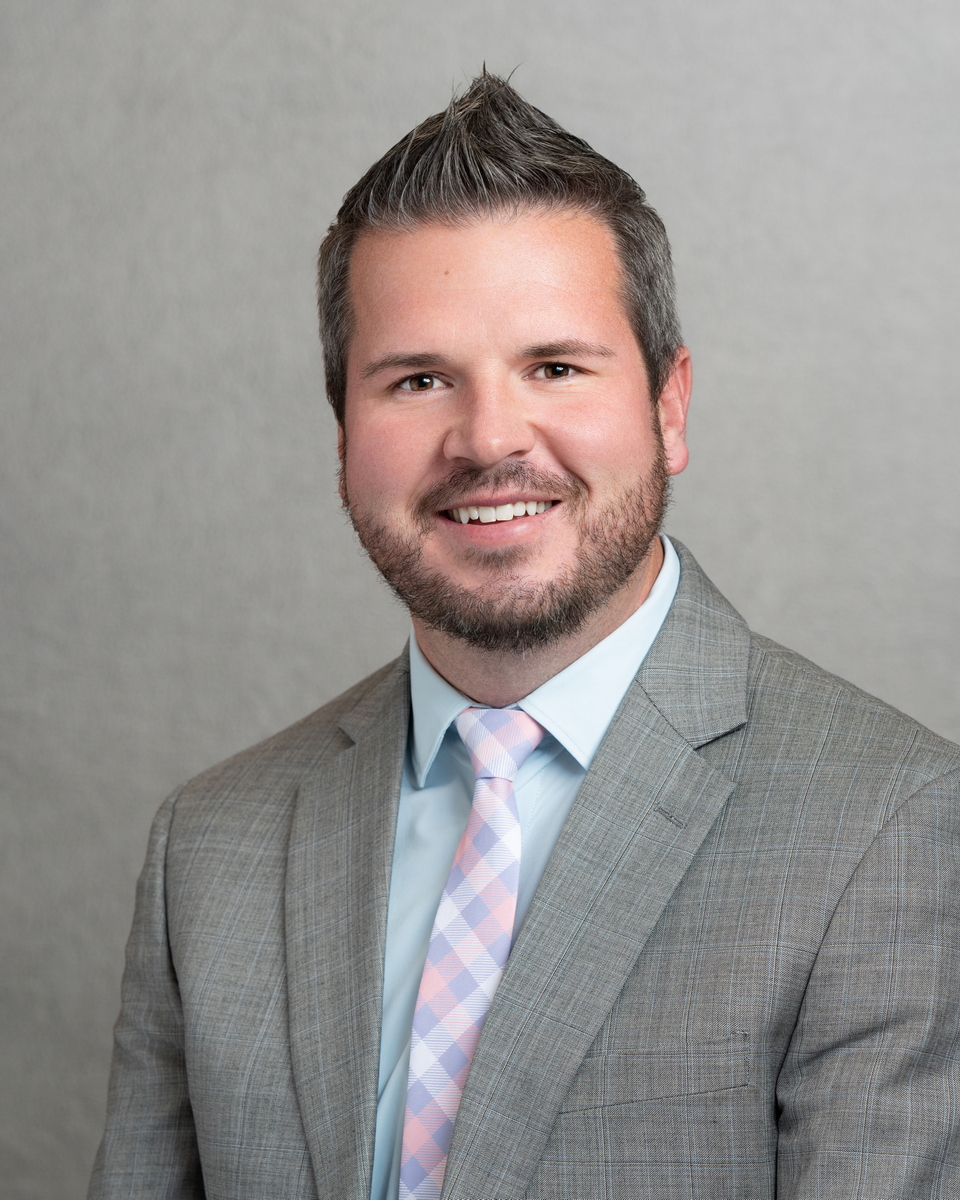
Rep. Logan Monson
Sponsored bills
Maddy summaryHB 540 requires Utah's Judicial Council to create a single online portal for all public court records, improving public access to case files and audio recordings of court proceedings. It also mandates the Judicial Council to establish rules for judicial financial disclosures and report findings to the Judiciary Interim Committee. The bill affects courts, judges, and the public by standardizing how court records are stored, accessed, and charged for, while clarifying which records remain private under existing law. It makes no changes to fees or funding, as no money is appropriated.
Maddy summaryHB 471 amends Utah's Medicaid and SNAP programs to implement work requirements for certain adults (ages 19-64, not pregnant or disabled), stricter verification for income, residency, and citizenship, and new citizenship eligibility rules. It requires documented proof (not self-attestation) for enrollment and annual redeterminations, and mandates hospitals to collect immigration status during applications. The bill directly affects Medicaid applicants and recipients who do not qualify for existing exemptions, beginning October 1, 2026, for citizenship rules and January 1, 2027, for work requirements. It also requires annual reports on compliance rates and exemptions to state legislators.
Maddy summarySB 83 amends Utah's controlled substance scheduling laws to automatically align state schedules with federal changes. Specifically, it requires Utah to automatically reschedule pharmaceutical compositions of substances previously classified as Schedule I under federal law if the federal government reschedules them. This affects pharmaceutical companies and healthcare providers who handle these substances, as it eliminates the need for separate state legislative action when federal scheduling changes. The bill does not add new substances to schedules or appropriate funds, focusing solely on streamlining the rescheduling process.
Maddy summaryHB 383 amends Utah's Health and Human Services code to clarify operational procedures within the department. It removes rulemaking authority from the Primary Care Grant Committee, clarifies membership and independence for the Compassionate Use Board and Health Workforce Advisory Council, and updates rules for Medicaid dental benefits and disability service funding transitions. The bill also specifies that the department may establish rules for congregate care ombudsman services and clarifies hospital transfer procedures for individuals in correctional custody. These changes affect department staff, advisory boards, healthcare providers, and service recipients, but the bill contains no new funding or significant policy shifts.
Maddy summaryHB 532 creates a three-year School-based Behavioral Health Pilot Program administered by Utah's Department of Health and Human Services. The program awards funds to qualified organizations (implementation partners) to help schools establish a tiered mental health support system, including universal screenings, group counseling for at-risk students, and individualized care. Local schools (LEAs/RESAs) must apply to participate, contract with an implementation partner, and follow specific guidelines for delivering mental health services across four tiers of support. The bill coordinates with existing initiatives like SafeUT Crisis Line and does not appropriate new state funds. It directly affects Utah public schools participating in the pilot and their students.
Maddy summaryHB 506 amends Utah's assisted living facility regulations to protect residents by limiting when facilities can discharge or transfer them and creating a formal appeals process. It requires facilities to provide written notice of discharge/transfers, allows residents or their representatives to appeal to the state department within 30 days, and prohibits discharge during an appeal unless health/safety is at immediate risk. The bill specifies five allowable reasons for discharge (e.g., facility closure, resident safety threat, or failure to pay) and mandates a hearing within 30 days (or 7 days for expedited requests) before a decision is made. These changes directly affect assisted living residents and their representatives, ensuring greater transparency and due process in facility decisions.
Maddy summaryHB 159 creates a nonrefundable income tax credit for Utah residents who volunteer as first responders. It provides $250 for 100-199 volunteer hours or $500 for 200+ hours per year, directly benefiting certified first responder volunteers who meet the hour requirements. To claim the credit, volunteers must obtain a certification from their agency documenting their hours and retain this record for tax purposes. The credit applies retroactively to taxable years beginning January 1, 2026, and takes effect May 6, 2026. This policy incentivizes community service by reducing tax liability for qualifying volunteers.
Maddy summaryHB 334 creates the Legislative Education Support and Professional Development Commission to study gaps in educator support systems. The commission will examine issues like communication between schools and policymakers, professional development opportunities, teacher liability insurance models, and recognition programs, with a focus on educators not covered by professional organizations. It will hold its first meeting before October 1, 2026, and submit recommendations to the Education Interim Committee. The bill does not change existing laws or allocate funding, as it establishes a study body to inform future policy decisions.
Maddy summaryHB 359 creates the Preceptor Fund to support clinical training for health care students in Utah. It allows health care providers (physicians, physician assistants, and advanced practice nurses) who supervise students in clinical settings to receive payments for providing at least 160 hours of training per student. The fund is financed solely through private donations, including mandatory donations during health care provider license applications. Providers can combine hours across multiple students to meet the 160-hour requirement, and the Department of Health and Human Services will establish rules for fund distribution. The bill takes effect in 2026 and requires no state appropriations.