

Maddy summaryHB 190 expands Utah's tax credit for employers providing child care by increasing the credit rate for small businesses to 30% (from 10%) of eligible child care costs and allowing credits for off-site child care facilities employers don't own. It removes a previous requirement that employers must have claimed a construction-related credit to qualify for the child care credit. The bill directly affects Utah employers who provide child care for employees, particularly small businesses meeting IRS Section 45F criteria. The changes apply retroactively and make no new state funding appropriations.

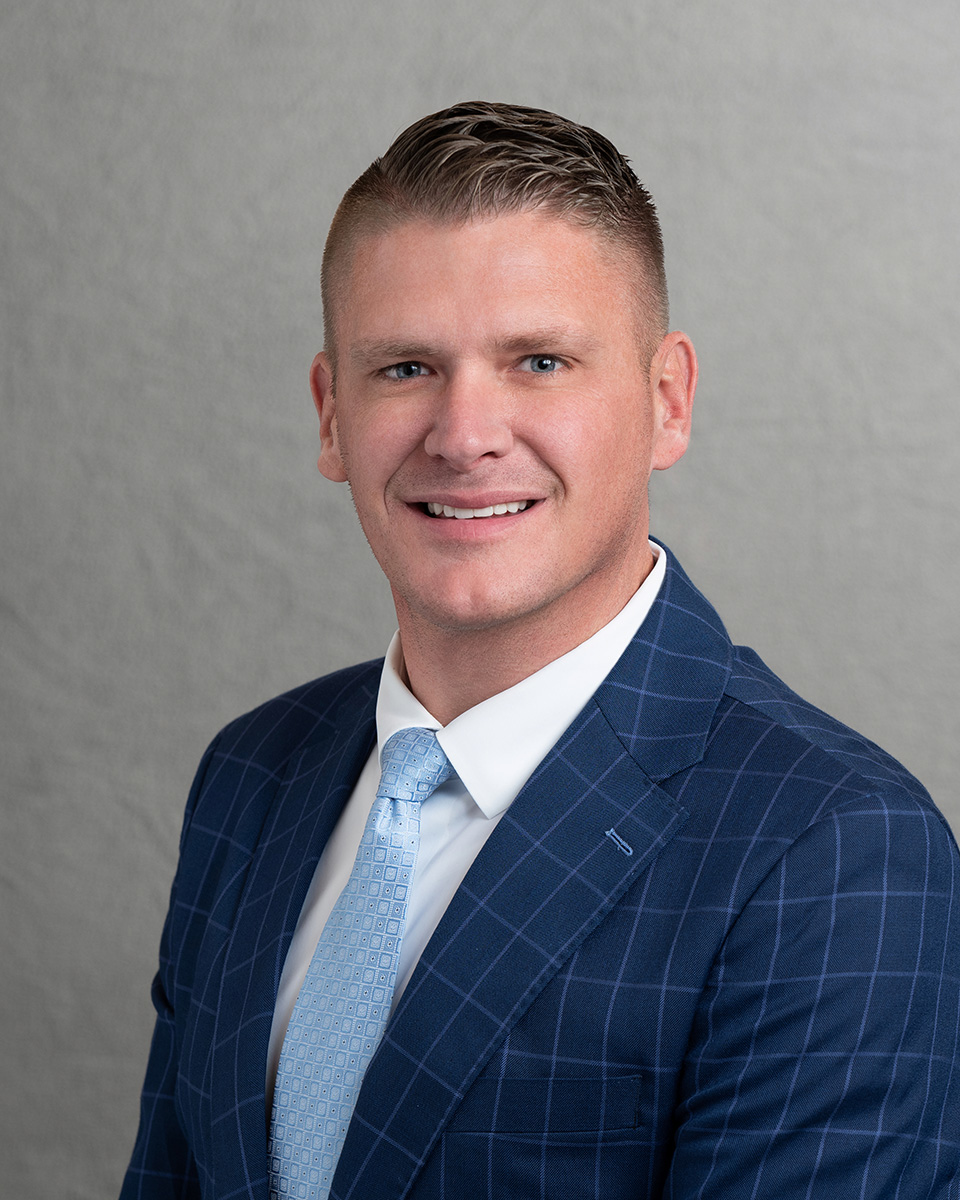
Rep. Jason Thompson
Sponsored bills
Maddy summaryHB 520 requires the governor's office to complete a feasibility study examining how student housing near colleges affects home ownership in surrounding communities, including costs and impacts. The study must propose state or institutional actions to address these effects, such as creating dedicated housing on public land or partnering with developers. An employee with housing expertise, working with the higher education commissioner, must report findings to the Higher Education Appropriations Subcommittee by November 1, 2026. This bill directly affects communities near Utah's colleges and universities by initiating a process to assess housing impacts and potential solutions. The study has no funding appropriation and focuses solely on analysis, not immediate policy changes.
Maddy summaryHB 265 requires businesses to register non-nicotine inhalation products and substances (primarily cannabinoid-based products like CBD vaporizers) and imposes civil penalties for selling unregistered items. It creates a new criminal offense for illegally distributing cannabinoid inhalation products while clarifying that cannabinoid products do not include electronic cigarettes. The bill defines key terms like "cannabinoid product" and "artificially derived cannabinoid" to distinguish legal products from restricted substances. This applies directly to manufacturers, distributors, and retailers of these products in Utah, aiming to regulate the market under updated definitions.
Maddy summarySB 181 sets safety standards for school seclusion rooms (locked or isolated areas used for student discipline) and creates a one-time grant program to help schools upgrade existing rooms. It requires minimum physical standards (room size, lighting, ventilation, unbreakable windows), mandates audio/video recording during seclusion with one-year retention, and prohibits dangerous objects. The grant program requires local schools to provide matching funds for compliance but forbids using funds to build new seclusion rooms. The bill directly affects Utah public and private K-12 schools, their staff, and students subjected to seclusion, integrating these standards into existing school policies and reporting requirements.
Maddy summarySB 58 requires public schools to address chronic absenteeism and academic needs through specific, funded programs. School principals must provide written compliance assurances, and school councils must create detailed plans using allocated funds to target the school’s most critical academic needs and absenteeism. These plans must include specific programs, materials, or staff training (like attendance plans, academic recovery programs, and staff development) with measurable goals for improving student performance. The bill directly affects public schools, their councils, and principals by mandating structured, accountable approaches to attendance and academic improvement.
Maddy summaryHB 573 creates a Health Care Reform Task Force to study ways Utah could collaborate with other states on health care issues. The task force includes 10 members: 3 Senate appointees (max 2 from one party), 5 House appointees (max 3 from one party), state health officials, and 2 governor-appointed members. It will examine multistate strategies for pharmacy regulations, drug purchasing, cost transparency, Medicaid, and health care workforce issues. The task force must report its findings to the Health and Human Services committee by September 1, 2027, with no state funds allocated for its operations.
Maddy summaryHJR 29 is a resolution passed by Utah's legislature expressing support for the federal Upward Mobility Act introduced by Rep. Blake Moore. The resolution highlights Utah's ranking as the top state for upward mobility and urges Congress to pass the Act, which would create a five-year pilot program combining 10 federal anti-poverty programs into a single block grant. This pilot would allow states like Utah to design flexible programs that eliminate "benefits cliffs" (where earning slightly more causes loss of assistance) and test approaches to help low-income individuals achieve financial independence. Utah volunteers to participate in the pilot if the Act is enacted, though the resolution itself has no funding or binding effect.
Maddy summaryHB 553 amends Utah's dog injury laws to allow individuals injured by dog attacks to file claims for damages within four years of the injury, extending the previous deadline. It increases the maximum award for bodily injury claims from $50,000 to $75,000 in both arbitration and court trials, excluding certain costs. The bill makes technical adjustments to existing statutes governing liability and arbitration procedures for dog attack cases. These changes directly affect victims seeking compensation and dog owners facing liability claims under Utah law.
Maddy summarySB 53 amends Utah's Public Land Management Advisory Board by adding two permanent membership slots: the state historic preservation officer (or their designee) and the director of the School and Institutional Trust Lands Administration (or their designee). This increases the board's membership from 11 to 13 members while maintaining its existing structure of governor-appointed representatives for sectors like mining, agriculture, and environmental groups. The bill makes technical changes to the board's composition in Utah Code Section 63L-9-104 but does not alter funding, voting procedures, or the board's responsibilities. It takes effect on May 6, 2026.
Maddy summaryHB 373 establishes a legal presumption that daycare providers using service marketplace platforms (like apps connecting caregivers with families) are independent contractors, not employees, unless clear evidence shows otherwise. It directly affects daycare providers who use these platforms to find clients, clarifying their employment status under Utah law. The bill adds new Section 34-53-202 to the Utah Code, mirroring existing rules for building service contractors but specifically applying to daycare services. This change takes effect on May 7, 2025, and does not involve funding or broader policy shifts.