

Maddy summaryHB 136 modifies Utah's laws for drivers without a valid license, permit, or privilege card. It clarifies when police must impound vehicles (e.g., if an unlicensed driver is caught, with exceptions like expired licenses or public safety concerns), allows certain fees to be waived in specific situations, and adjusts penalties for driving without a license. The bill also defines key terms like "driving credential" and updates procedures for identifying unlicensed operators. These changes directly affect unlicensed drivers and law enforcement officers handling such violations.

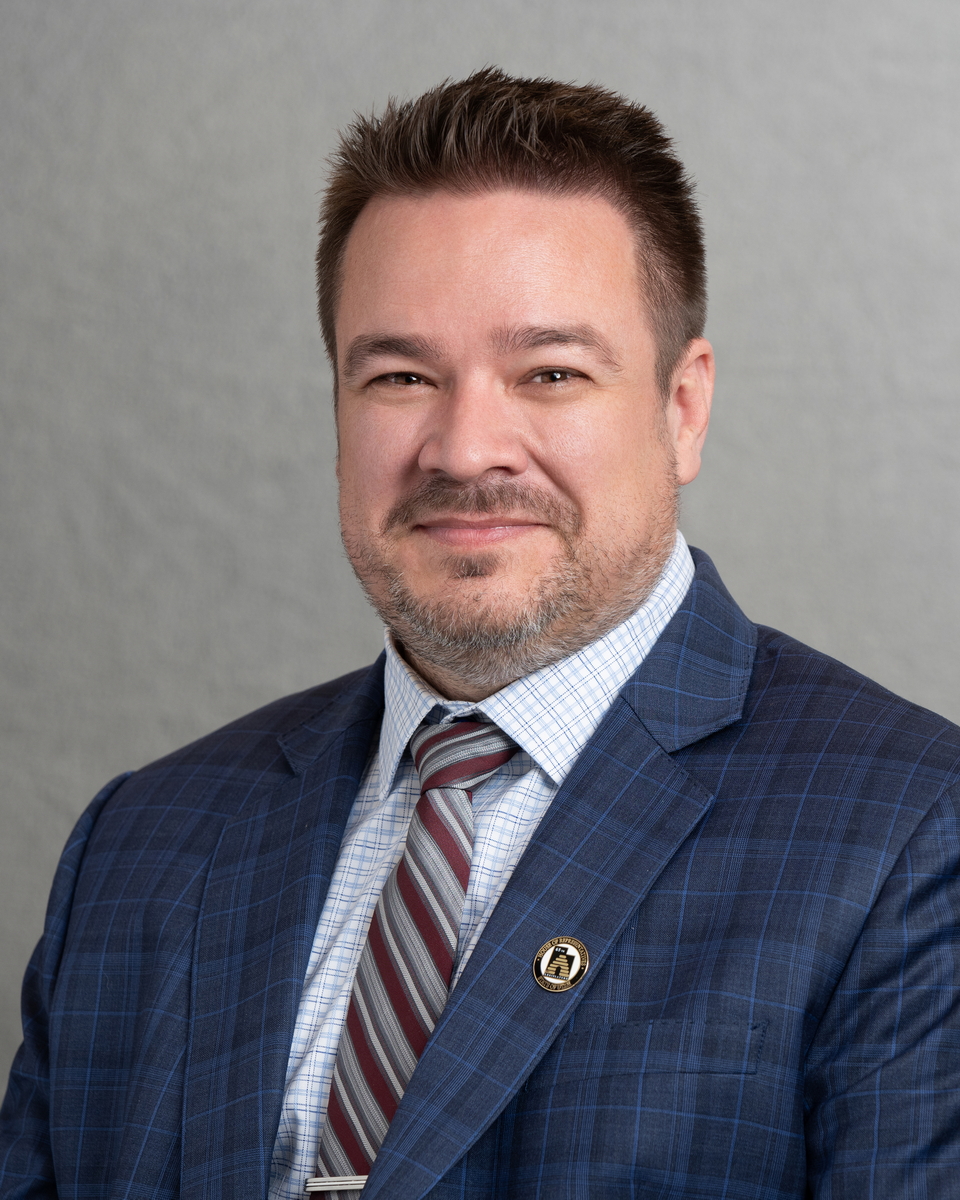
Rep. Matt MacPherson
Sponsored bills
Maddy summaryHB 539 amends Utah's public safety laws to strengthen protections for domestic violence victims and clarify legal procedures. It expands the definition of domestic violence offenses, clarifies the term "cohabitant" for victim mitigation, and modifies bail requirements for domestic violence cases. The bill also updates protective order rules, prohibits parents from waiving jail release conditions when a child is the alleged victim, and ensures individuals arrested for domestic violence can communicate with children in specific circumstances. These changes directly affect domestic violence victims, defendants, law enforcement, and courts handling related cases.
Maddy summaryHB 314 amends Utah's firearm purchase laws to streamline background check processes for licensed dealers. It removes a requirement that dealers use a specific form provided by the Bureau of Criminal Identification and extends the time the bureau can maintain background check records from 20 to 30 days when no prohibition is found. These changes are technical updates with no new fees or costs, affecting firearm dealers and the bureau's record-keeping procedures under Utah Code Section 53-5a-602.
Maddy summarySB 304 creates a process to address false information in protective order petitions. It allows a respondent (the person opposing the order) to file a motion within 60 days if they believe the petitioner knowingly falsified material information to obtain a protective order. If proven, courts can sanction the false filer and must restore parent-time that was denied due to the false claim. This directly affects individuals involved in family court cases where protective orders impact custody or visitation. The bill amends Utah's protective order statutes to prevent misuse of the system.
Maddy summaryHB 82 modifies Utah's requirements for filing judgment liens against real property when the judgment debtor is an individual. It specifically adds that creditors must include the last four digits of the debtor's Social Security number, their birth month/year, and driver's license number (if known) on the lien filing documents. This affects creditors seeking to secure payment through property liens, requiring more detailed debtor identification. The changes take effect on July 1, 2026, and involve technical updates to existing lien filing procedures without new funding.
Maddy summaryHB 148 creates a School Meals Debt Relief Fund, allowing Utah taxpayers to voluntarily contribute to the fund when filing their state income tax returns. Local school districts must report their outstanding student meal debt to the State Board of Education, which then distributes funds based on each district's proportion of total statewide school meal debt. School districts must use these funds solely to pay off unpaid student meal balances, and any unused funds must be returned within 60 days for redistribution to other qualifying districts. The program begins for tax years starting January 1, 2026, with the State Board of Education managing data collection and fund distribution.
Maddy summarySB 62 modifies Utah's school funding formula to adjust how districts calculate weighted pupil units (WPU) for state funding. It replaces the previous "prior year plus growth" method with a new rule: funding calculations will use the higher of either (1) the prior year's enrollment adjusted for actual growth or (2) the current school year's October enrollment count. This change directly affects public school districts and charter schools by altering how their student enrollment data influences annual funding amounts. The bill makes no new money appropriations but changes the calculation method, effective July 1, 2026.
Maddy summaryThis bill is a resolution from the Utah House of Representatives that formally censures Judge Don M. Torgerson for comments made during a sentencing hearing involving child sexual exploitation. The resolution condemns the judge for minimizing the severity of the crimes and suggesting that a defendant's socioeconomic privilege could justify a lighter sentence. It also expresses disappointment that the Utah State Courts issued inaccurate information defending the judge's conduct. The measure does not change laws or allocate funds but serves as an official statement of disapproval from the legislature.
Maddy summaryHJR 21 amends Utah's Rules of Civil Procedure to clarify procedures for three-judge district court panels. It adds a definition for "district court panel" in Rule 1, updates Rule 42 to address case transfers when such panels are convened, and revises Rules 63 and 63A to specify judge disqualification and replacement processes in these panels. The changes directly affect Utah district courts handling cases requiring three-judge panels, including parties, attorneys, and judges involved in those proceedings. The resolution makes procedural adjustments without altering substantive law or requiring funding.
Maddy summaryHJR 24 modifies the membership structure of Utah's Executive Appropriations Committee, changing its composition from 20 members to a new format. The bill establishes the committee as consisting of co-chairs from eight specific subcommittees (covering areas like education, transportation, and social services) plus two members appointed by the Senate minority leader and two by the House minority leader. This procedural change, effective May 6, 2026, does not appropriate funds or alter budget policy. The resolution solely adjusts committee staffing rules under legislative procedures.