

Maddy summaryHB 128 removes the requirement for drivers to use turn signals when entering, navigating, or exiting roundabouts in Utah. This change directly affects all drivers using roundabouts statewide by simplifying a previously mandated signaling step. The bill amends Utah Code Section 41-6a-804 to explicitly exempt roundabouts from standard turn-signal rules, while maintaining other signaling requirements for lane changes and turns elsewhere. It makes no changes to vehicle safety standards or penalties for other traffic violations. The law takes effect May 6, 2026, after legislative passage.

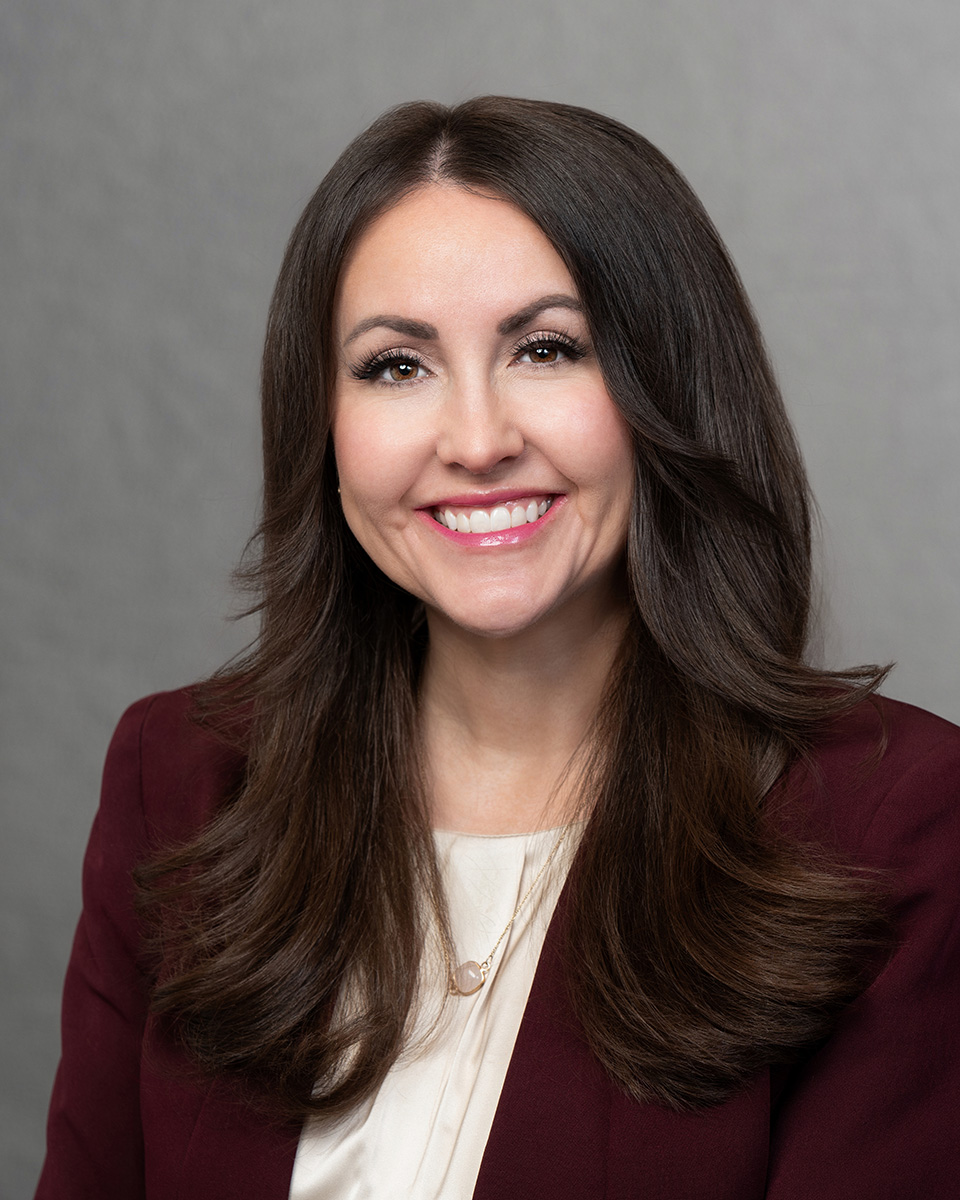
Rep. Ariel Defay
Sponsored bills
Maddy summaryHB 276 creates Utah's "Digital Voyeurism Prevention Act" to address non-consensual AI-generated intimate images. It directly affects platforms and services that let users create such images (called "generation services"), requiring them to obtain and verify explicit consent from the person depicted before distributing any AI-generated intimate image. The bill mandates platforms to implement verification systems, disclose provenance data for AI content, and follow notice-and-takedown procedures for violations. It establishes civil liability for damages, including actual losses and attorney fees, enforced by Utah's Division of Consumer Protection.
Maddy summarySCR 6 is a non-binding resolution encouraging Utah's medical community to improve awareness, education, and diagnosis of POTS (postural orthostatic tachycardia syndrome) in children and adolescents, and urging insurers to cover diagnosis and treatment gaps. It highlights that 77% of POTS patients are initially misdiagnosed, Utah ranks 49th in primary care access, and POTS affects an estimated 3 million U.S. patients, often leading to disability. The resolution does not create new laws or appropriate funds but calls for systemic changes to address barriers in pediatric autonomic disorder care. It specifically targets pediatric patients, healthcare providers, and insurance companies without mandating action.
Maddy summaryHB 289 updates Utah's laws regarding child sexual abuse material to address AI-generated content. It defines "apparent child sexual abuse material" as AI-created images that realistically depict minors, creating new standalone offenses for possessing or distributing such material. The bill also defines "obscene child sexual abuse material" and amends existing definitions to exclude artificially generated content from the main "child sexual abuse material" category. These changes specifically target individuals who create, distribute, or possess AI-generated images that appear to show minors, while removing AI content from the primary legal definition. The bill amends multiple Utah code sections without appropriating funds.
Maddy summaryHB 329 increases state employee paid leave for childbirth, adoption, and foster care. It extends postpartum recovery leave from 3 to 9 weeks and adds 9 weeks of paid leave for adopting children under six, plus 3 weeks for fostering children under six. School districts (LEAs) can apply for reimbursement through a new program if they implement similar paid leave policies for their employees, with $3 million appropriated for fiscal year 2027. The bill also updates the Breastfeeding Protection Act to include breast pump use and requires the Department of Human Resource Management to establish rules for administering these leave provisions.
Maddy summarySB 290 strengthens privacy protections for victims and witnesses in Utah criminal cases by regulating access to their nonpublic electronic data, such as personal messages or intimate images shared with law enforcement. It requires law enforcement to implement secure "virtual rooms" for defendants' attorneys to review sensitive data without copying it, creates a presumption against disclosing intimate images, and mandates clear disclosure of devices used in investigations. The bill directly affects victims/witnesses (who gain greater control over their private information), law enforcement (who must adopt new policies), and defendants (who must seek court approval to access nonpublic data). Key provisions include defining "nonpublic victim or witness data," requiring prosecutors to notify defendants about device searches, and limiting data sharing to specific court-approved scenarios. The bill makes no changes to existing evidence disclosure rules under Utah Rules of Criminal Procedure.
Maddy summaryHB 393 creates a two-year pilot program to screen for dyslexia in Utah schools. It requires the University of Utah College of Education and Education Policy Center to develop a dyslexia screening tool and provides resources to school districts and charter schools. The program mandates reporting to the Education Interim Committee and will end on July 1, 2027. The bill amends education code sections but does not appropriate state funds.
Maddy summarySB 81 requires Utah school districts and charter schools to provide targeted reading interventions when a qualifying dyslexia assessment - administered by a licensed professional within their scope of practice - indicates a student lacks reading competency, shows dyslexia characteristics, or is falling behind in reading skills. The bill defines "qualifying dyslexia assessment" and updates licensing rules for mental health therapists and psychologists to explicitly include dyslexia evaluation and treatment under approved diagnostic standards. Schools must then conduct diagnostic assessments, offer individualized tutoring, monitor progress, and inform parents about support options. This applies to students in grades 1-6, with no new funding required.
Maddy summarySB 88 amends Utah's public school internet policies to require school boards to adopt specific procedures. It directly affects public schools, parents, and students by mandating that school boards: (1) adopt policies restricting obscene content, (2) implement a parent-accessible monitoring system for student device activity, and (3) use a preapproved content filtering system when parents request it. The bill also requires school boards to review policies every three years and post them visibly in schools. It takes effect July 1, 2026, and does not appropriate new funding.
Maddy summaryHB 306 amends Utah's rules for homeowners' associations (HOAs) regarding reinvestment fees charged during property transfers. It directly affects HOAs that collect these fees, requiring them to deposit 50% of each reinvestment fee into reserve funds. The bill also clarifies which expenses (like infrastructure maintenance or facilities) HOAs can cover with these fees, sets limits on fee amounts, and mandates that HOAs provide specific fee details when registering with the Department of Commerce. These changes aim to ensure transparency and proper fund allocation for association infrastructure.