

Investment Zones Amendments
SB 39 reorganizes and updates Utah's existing investment zone designations, including convention center zones, housing and transit zones, and home ownership promotion zones. It specifically adds provisions allowing home ownership zones to include areas within school boundaries and removes outdated code sections. The bill primarily affects municipalities and counties that operate these zones by clarifying their boundaries and administrative rules. No new funding is allocated, and the changes focus on streamlining existing programs without creating new zones or financial obligations.
Bill status
signed
all 5 stages cleared
Introduction
Jan 2026
Committee Review
Feb 2026
Senate Passage
Feb 2026
House Passage
Feb 2026
Signed into Law
Mar 2026
Introduced Jan 20, 2026
Signed Mar 17, 2026
Maddy AI version diff · 3 comparisons
What changed between versions
Amended Excerpts 2/5/2026 15:02:521
→
Amended 2/5/2026 15:02:521
·
3 edits
MINOR
The bill was reorganized to clarify its structure and update specific investment zone provisions. It now explicitly defines and regulates zones for convention centers, housing, transit, and transportation reinvestment. A significant eligibility change was made to home ownership promotion zones, allowing them to include areas within one-quarter of a mile of school boundaries, alongside existing criteria regarding acreage and zoning density.
Scope change
The bill's scope was expanded to explicitly include a 'convention center reinvestment zone in a capital city' and to modify eligibility for 'home ownership promotion zones' to include proximity to schools.
SCOPE
Added explicit provisions for a 'convention center reinvestment zone in a capital city,' including specific tax increment capture rules.
ELIGIBILITY
Modified eligibility for 'home ownership promotion zones' to allow areas within one-quarter of a mile of a school facility to qualify, in addition to existing acreage and zoning requirements.
TECHNICAL
Reorganized the bill text and updated the list of affected Utah Code sections to reflect new effective dates and renumbering.
Floor votes · Senate Feb 6, 2026 · House Feb 19, 2026
How they voted
23–2
Passed · 4 other
Total votes 29
Feb 6, 2026
D
Democratic6
83% Yea
N
Forward1
0% Nay
R
Republican22
81% Yea
Vote distribution
All Yea
All Nay
Mixed
No data
Full legislative history
Actions timeline
Total actions
38
Key actions
9
Committee
6
Amendments
1
Mar 17, 2026
Signed into law
Governor Signed
executive
Feb 19, 2026
Upper · Passed
Senate/ signed by President/ sent for enrolling
upper
Feb 19, 2026
Upper · Passed
House/ signed by Speaker/ returned to Senate
upper
Feb 19, 2026
Lower · Passed
House/ passed 3rd reading
lower
Feb 17, 2026
Lower · Passed
House/ committee report favorable [House Economic Development and Workforce Services Committee]
lower
Feb 17, 2026
Lower · Passed
House Comm - Favorable Recommendation [House Economic Development and Workforce Services Committee]
lower
Feb 13, 2026
Committee
House/ to standing committee [House Economic Development and Workforce Services Committee]
lower
Feb 9, 2026
Introduced
House/ 1st reading (Introduced)
lower
Feb 6, 2026
Lower · Passed
Senate/ passed 3rd reading
lower
Feb 5, 2026
Introduced
Senate/ floor amendment
upper
Jan 26, 2026
Upper · Passed
Senate/ committee report favorable [Senate Government Operations and Political Subdivisions Committee]
upper
Jan 23, 2026
Upper · Passed
Senate Comm - Favorable Recommendation [Senate Government Operations and Political Subdivisions Committee]
upper
Jan 20, 2026
Committee
Senate/ to standing committee [Senate Government Operations and Political Subdivisions Committee]
upper
Jan 20, 2026
Introduced
Senate/ 1st reading (Introduced)
upper
1 primary · 1 co-sponsor
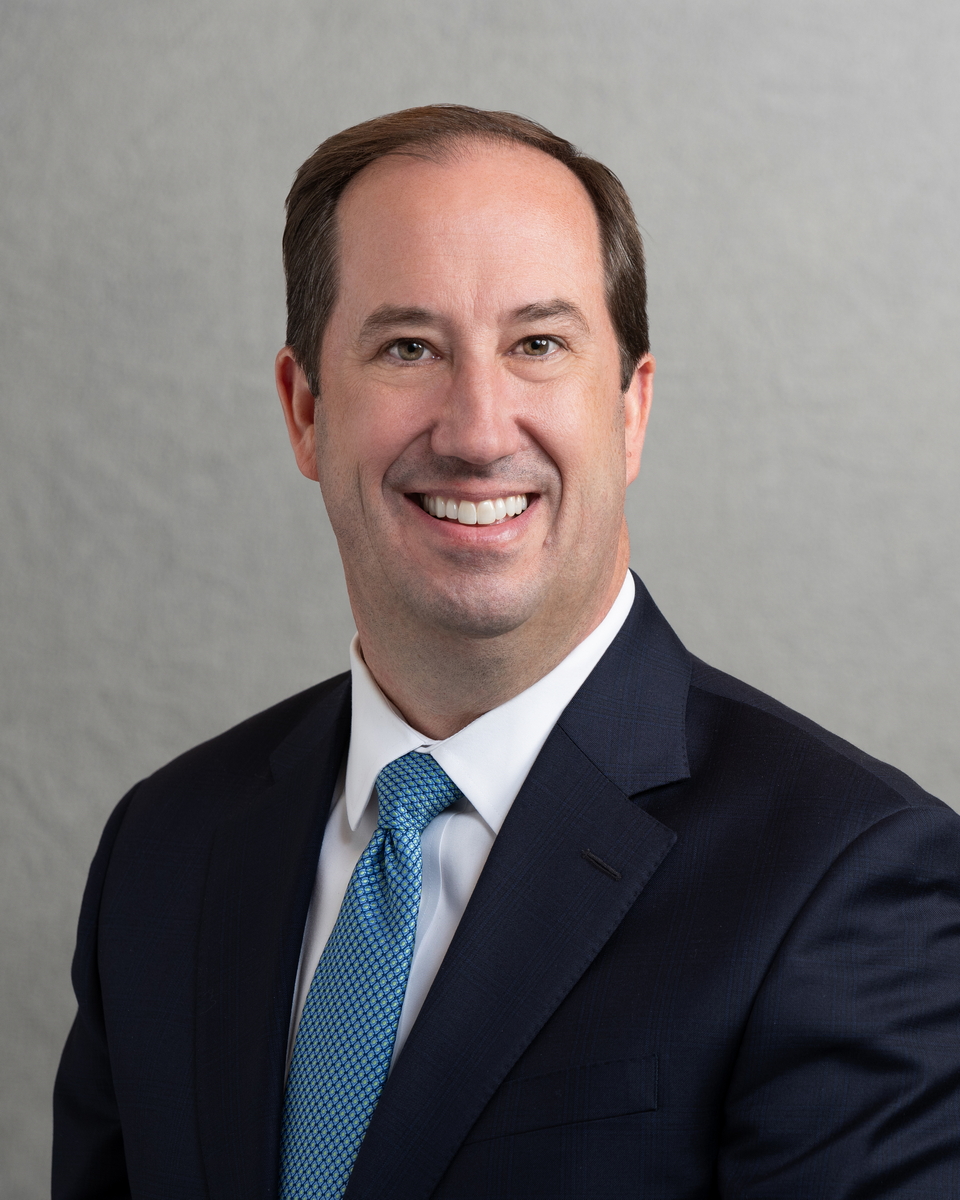
Sponsors

Ask Maddy
·
AI policy assistant
Ask Maddy about SB 39
Scope: UT
Hi! I can help you understand SB 39. What would you like to know?
Try one of these
i
Maddy answers using official bill text and legislative records. Always verify before sharing.
Sources cited inline