

School Vision Screening Amendments
HB 351 requires Utah public schools to follow up with parents within 30 days if a student fails a vision screening, confirming they received results and offering help finding care. It affects students aged 3-16 in Utah public schools, their parents, and school staff conducting screenings. The bill establishes a two-tier screening system (basic "tier one" and more detailed "tier two"), mandates training for school nurses and volunteers, and creates standardized forms to ensure screenings aren't confused with full eye exams. Schools must also provide resources for follow-up care and prevent volunteers from promoting businesses during screenings. The bill takes effect July 1, 2026, with no new funding required.
Bill status
signed
all 5 stages cleared
Introduction
Jan 2026
Committee Review
Feb 2026
House Passage
Feb 2026
Senate Passage
Feb 2026
Signed into Law
Mar 2026
Introduced Jan 23, 2026
Signed Mar 19, 2026
Maddy AI version diff · 5 comparisons
What changed between versions
Amended 2/3/2026 11:02:313
→
Amended 2/10/2026 15:02:460
·
3 edits
MINOR
This bill amends Utah's public school vision screening laws to clarify follow-up procedures when a student fails a screening. The primary change shifts the requirement from a mandatory phone or email call to a broader mandate allowing LEAs to use any approved communication method, while also permitting outside entities to contact parents. Additionally, the bill clarifies that volunteers assisting with screenings are not liable for damages unless their actions are willful or grossly negligent.
REQUIREMENT
Changed the mandatory follow-up method for failed screenings from a strict telephone or email requirement to allowing any communication method approved by the LEA.
Added a liability protection clause stating that volunteers assisting with vision screenings are not liable for damages unless the act or omission was willful or grossly negligent.
TECHNICAL
Adjusted the text regarding outside entities contacting parents to allow them to reach out after a failed screening, aligning with the new flexible communication requirements.
Floor votes · Senate Feb 23, 2026 · House Feb 10, 2026
How they voted
21–0
Passed · 8 other
Total votes 29
Feb 23, 2026
D
Democratic6
100% Yea
N
Forward1
100% Yea
R
Republican22
63% Yea
Vote distribution
All Yea
All Nay
Mixed
No data
Full legislative history
Actions timeline
Total actions
38
Key actions
10
Committee
6
Amendments
3
Mar 19, 2026
Signed into law
Governor Signed
executive
Feb 23, 2026
Lower · Passed
House/ signed by Speaker/ sent for enrolling
lower
Feb 23, 2026
Lower · Passed
Senate/ signed by President/ returned to House
lower
Feb 23, 2026
Upper · Passed
Senate/ passed 3rd reading
upper
Feb 18, 2026
Upper · Passed
Senate/ comm rpt/ placed on Consent Calendar [Senate Education Committee]
upper
Feb 18, 2026
Upper · Passed
Senate Comm - Consent Calendar Recommendation [Senate Education Committee]
upper
Feb 18, 2026
Upper · Passed
Senate Comm - Favorable Recommendation [Senate Education Committee]
upper
Feb 13, 2026
Committee
Senate/ to standing committee [Senate Education Committee]
upper
Feb 12, 2026
Introduced
Senate/ 1st reading (Introduced)
upper
Feb 10, 2026
Upper · Passed
House/ passed 3rd reading
upper
Feb 10, 2026
Introduced
House/ floor amendment
lower
Feb 2, 2026
Lower · Passed
House/ comm rpt/ amended [House Education Committee]
lower
Jan 31, 2026
Lower · Passed
House Comm - Favorable Recommendation [House Education Committee]
lower
Jan 31, 2026
Introduced
House Comm - Amendment Recommendation [House Education Committee]
lower
Jan 29, 2026
Committee
House/ to standing committee [House Education Committee]
lower
Jan 23, 2026
Introduced
House/ 1st reading (Introduced)
lower
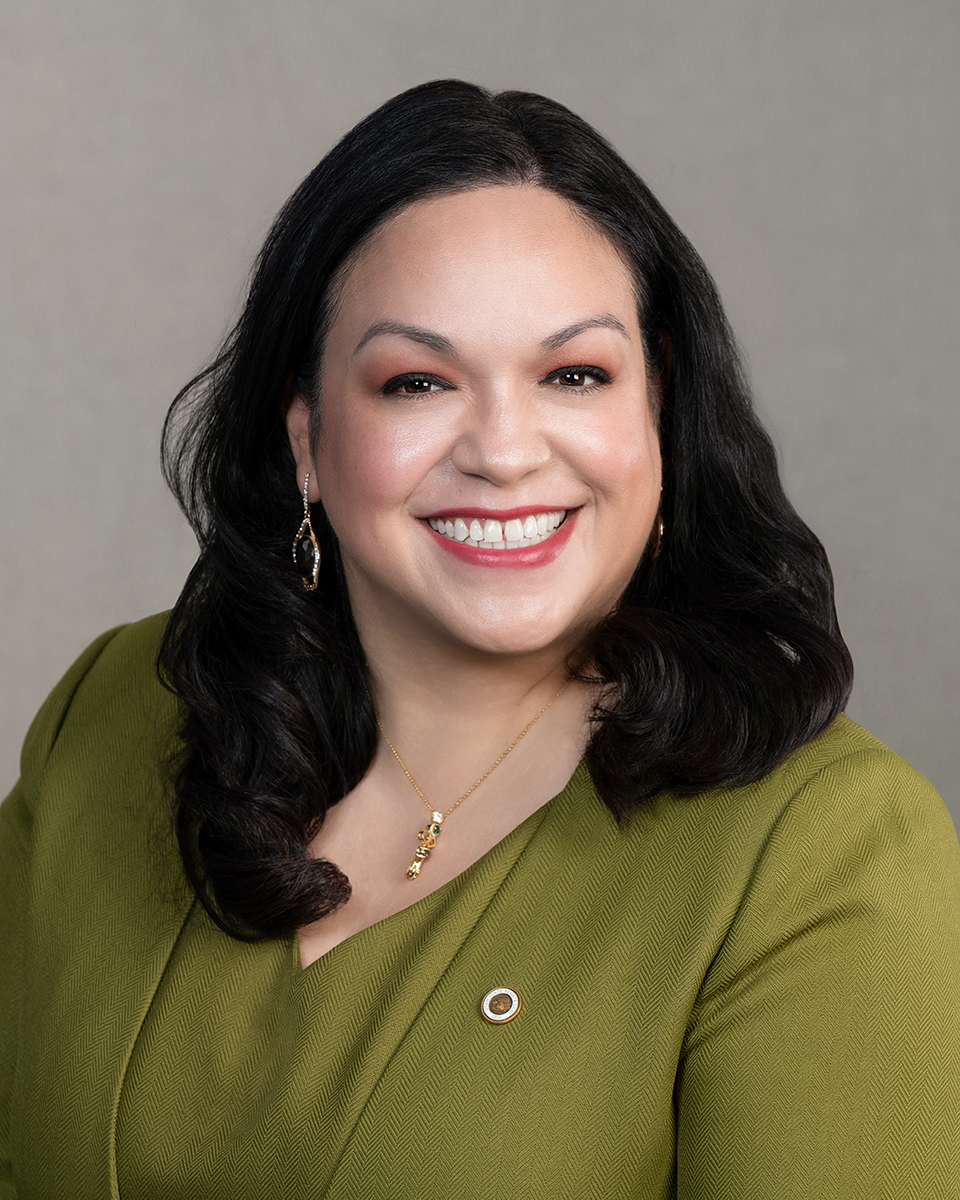
1 primary · 1 co-sponsor
Sponsors

Ask Maddy
·
AI policy assistant
Ask Maddy about HB 351
Scope: UT
Hi! I can help you understand HB 351. What would you like to know?
Try one of these
i
Maddy answers using official bill text and legislative records. Always verify before sharing.
Sources cited inline