

Medicaid Reimbursement Rate Modifications
SB 246 modifies how Utah's Medicaid program calculates reimbursement rates for applied behavior analysis (ABA) therapy services, which are commonly used for autism treatment. It adjusts these rates based on the state's General Fund revenue growth: if revenue grows below 100%, rates stay flat; between 100-102%, rates increase by that percentage; and above 102%, rates must increase by at least 102% but not exceed revenue growth. The bill directly affects Medicaid providers offering ABA services and ensures their reimbursement rates align with state revenue changes without appropriating new funds. It takes effect on May 7, 2025, and amends Utah Code Section 26B-3-203.
Bill status
passed
3 of 4 stages cleared
Introduction
Feb 2025
Committee Review
Mar 2025
House Passage
Feb 2025
Governor
Introduced Feb 10, 2025
Last action Mar 8, 2025
Maddy AI version diff · 1 comparison
What changed between versions
Introduced
→
Substitute #1
·
3 edits
MINOR
The bill was amended to extend the timeline for Medicaid reimbursement rate increases for applied behavior analysis (ABA) services from fiscal years 2025-2026 to fiscal years 2026-2027. This change delays when ABA rates begin receiving the same percentage increases as other behavioral health services, while also removing a requirement to equalize ABA rates with other similar services in the initial appropriation.
Scope change
The scope of the funding mechanism was extended by one fiscal year, shifting the start of the ABA rate increase timeline from 2025 to 2026.
TIMELINE
The fiscal years for the initial ABA service rate increase were changed from '2025 and 2026' to '2026 and 2027', delaying the implementation of the rate increase mechanism by one year.
FISCAL
The requirement to allocate funds to equalize ABA service reimbursement rates with other similar services was removed from the initial appropriation phase.
REQUIREMENT
The language regarding when the 102% minimum PMPM threshold applies was adjusted to align with the new timeline, now applying to the 2026 and 2027 base budgets instead of 2025 and 2026.
Floor votes
How they voted
This bill passed the House by voice vote (no roll call recorded).
Full legislative history
Actions timeline
Total actions
25
Key actions
4
Committee
5
Mar 4, 2025
Lower · Passed
House Comm - Favorable Recommendation
lower
Feb 28, 2025
Committee
House/ to standing committee
lower
Feb 28, 2025
Introduced
House/ 1st reading (Introduced)
lower
Feb 24, 2025
Lower · Passed
Senate/ passed 3rd reading
lower
Feb 13, 2025
Upper · Passed
Senate/ committee report favorable
upper
Feb 13, 2025
Upper · Passed
Senate Comm - Favorable Recommendation
upper
Feb 10, 2025
Committee
Senate/ to standing committee
upper
Feb 10, 2025
Introduced
Senate/ 1st reading (Introduced)
upper
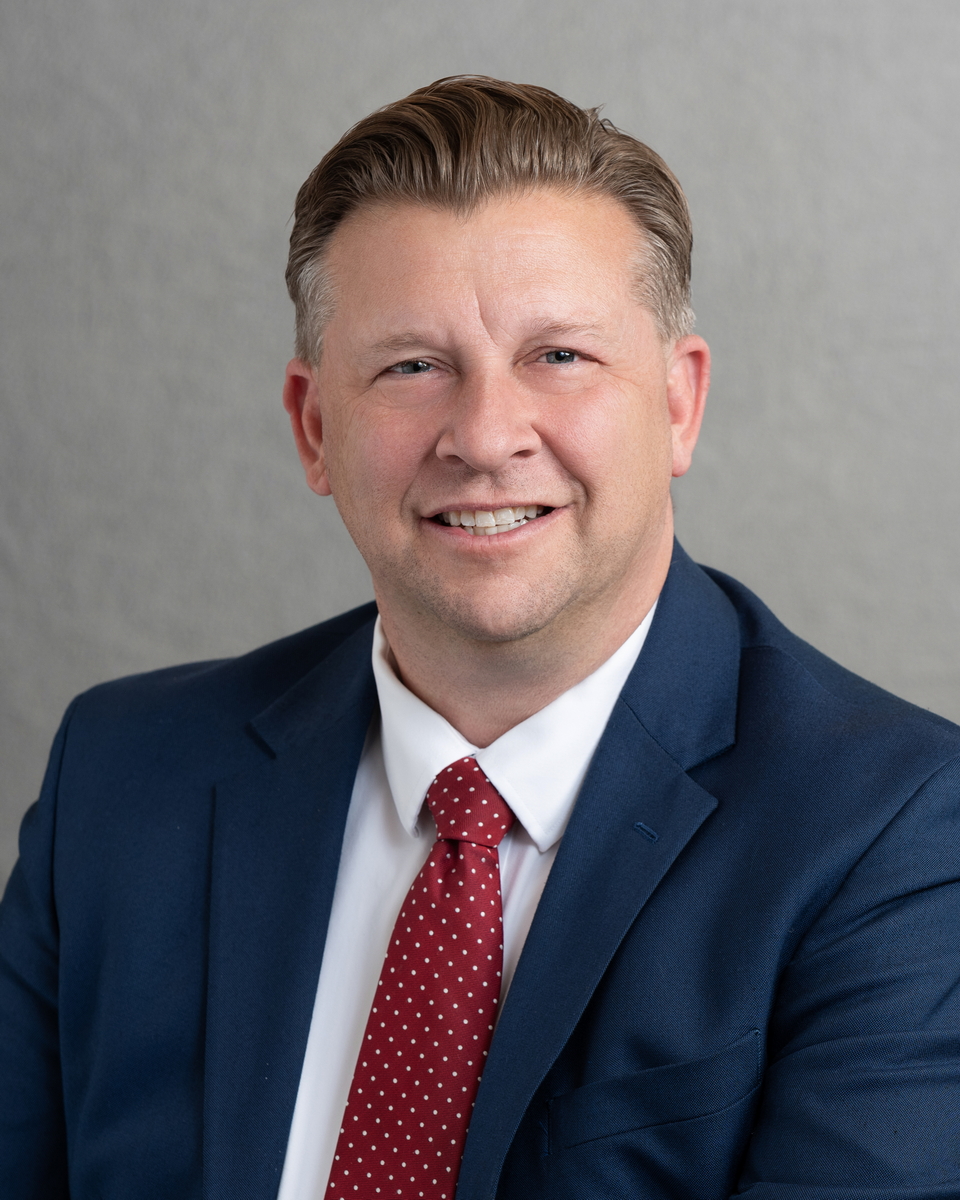
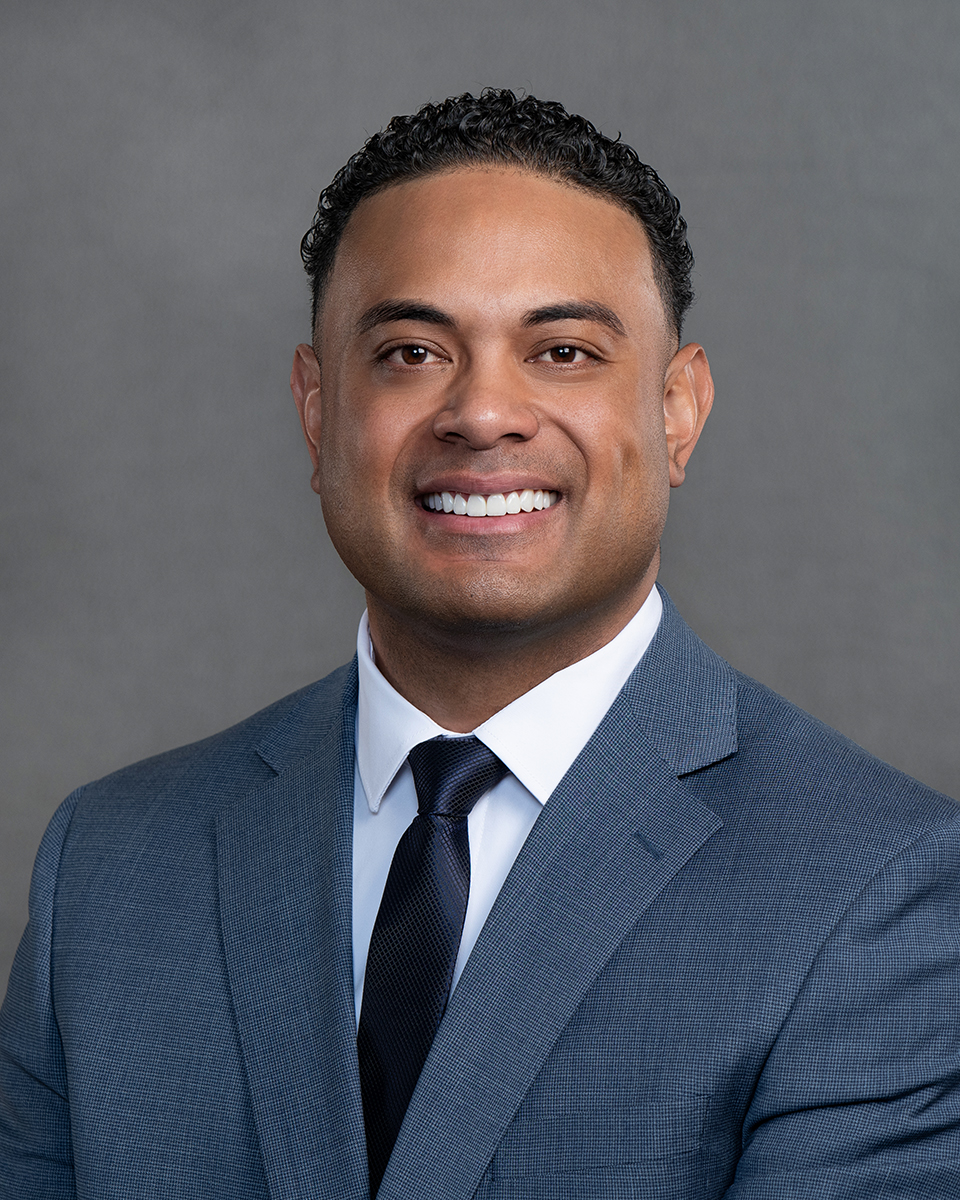
1 primary · 1 co-sponsor
Sponsors
Ask Maddy
·
AI policy assistant
Ask Maddy about SB 246
Scope: UT
Hi! I can help you understand SB 246. What would you like to know?
Try one of these
i
Maddy answers using official bill text and legislative records. Always verify before sharing.
Sources cited inline