

Financial Stability Oversight Council Improvement Act of 2025
This bill amends the process for the Financial Stability Oversight Council (FSOC) when considering actions against U.S. nonbank financial companies. It requires the FSOC to first determine that alternative solutions - such as new regulatory standards, agency actions, or a company's written plan - are not possible or insufficient to protect financial stability before voting on a formal determination. The change directly affects the FSOC and large nonbank financial companies that could face regulatory scrutiny. The key provision adds a new step to ensure the Council explores other options before taking significant action. (Procedural bill; summary limited to 3 sentences as specified.)
Bill status
passed
3 of 5 stages cleared
Introduction
Jun 2025
Committee Review
Feb 2026
House Passage
Feb 2026
Senate Passage
President
Introduced Jun 3, 2025
Last action Feb 11, 2026
Maddy AI version diff · 1 comparison
What changed between versions
Introduced in House
→
Engrossed in House
·
1 edit
·
Feb 9, 2026
MINOR
The bill narrows the standard the Financial Stability Oversight Council (FSOC) must meet before voting to designate a nonbank financial company as a systemic risk. The original language allowed designation based on any threat the company 'could pose' to financial stability, while the amended version requires the Council to specifically identify that the threat stems from either material financial distress at the company or from its structural characteristics (size, scale, concentration, interconnectedness, or mix of activities). This makes it harder for FSOC to designate nonbank firms by requiring a more specific justification.
REQUIREMENT
The threshold for FSOC to vote on designating a nonbank financial company as a systemic risk is narrowed. Previously, the Council only needed to find that alternative actions were insufficient to mitigate 'the threat that the company could pose' to financial stability. Now the Council must specifically determine that the threat relates to either (1) material financial distress at the company, or (2) the nature, scope, size, scale, concentration, interconnectedness, or mix of activities of the company. This adds a more specific analytical requirement before designation can proceed.
Floor votes
How they voted
This bill passed the House by voice vote (no roll call recorded).
Full legislative history
Actions timeline
Total actions
13
Key actions
3
Committee
4
Amendments
3
Feb 11, 2026
Committee
Received in the Senate and Read twice and referred to the Committee on Banking, Housing, and Urban Affairs.
upper
Feb 9, 2026
Introduced
On motion to suspend the rules and pass the bill, as amended Agreed to by voice vote. (text: CR H2074)
lower
Feb 9, 2026
Lower · Passed
Passed/agreed to in House: On motion to suspend the rules and pass the bill, as amended Agreed to by voice vote. (text: CR H2074)
lower
Feb 9, 2026
Introduced
Mr. Hill (AR) moved to suspend the rules and pass the bill, as amended.
lower
Nov 4, 2025
Lower · Passed
Reported (Amended) by the Committee on Financial Services. H. Rept. 119-364.
lower
Sep 16, 2025
Introduced
Ordered to be Reported (Amended) by the Yeas and Nays: 47 - 4.
lower
Sep 16, 2025
Lower · Passed
Committee Consideration and Mark-up Session Held
lower
Jun 3, 2025
Committee
Referred to the House Committee on Financial Services.
lower
Jun 3, 2025
Introduced
Introduced in House
lower
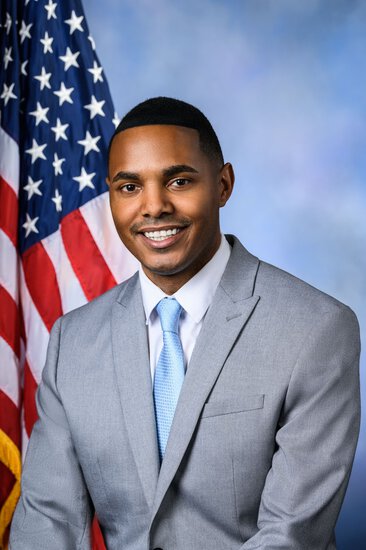
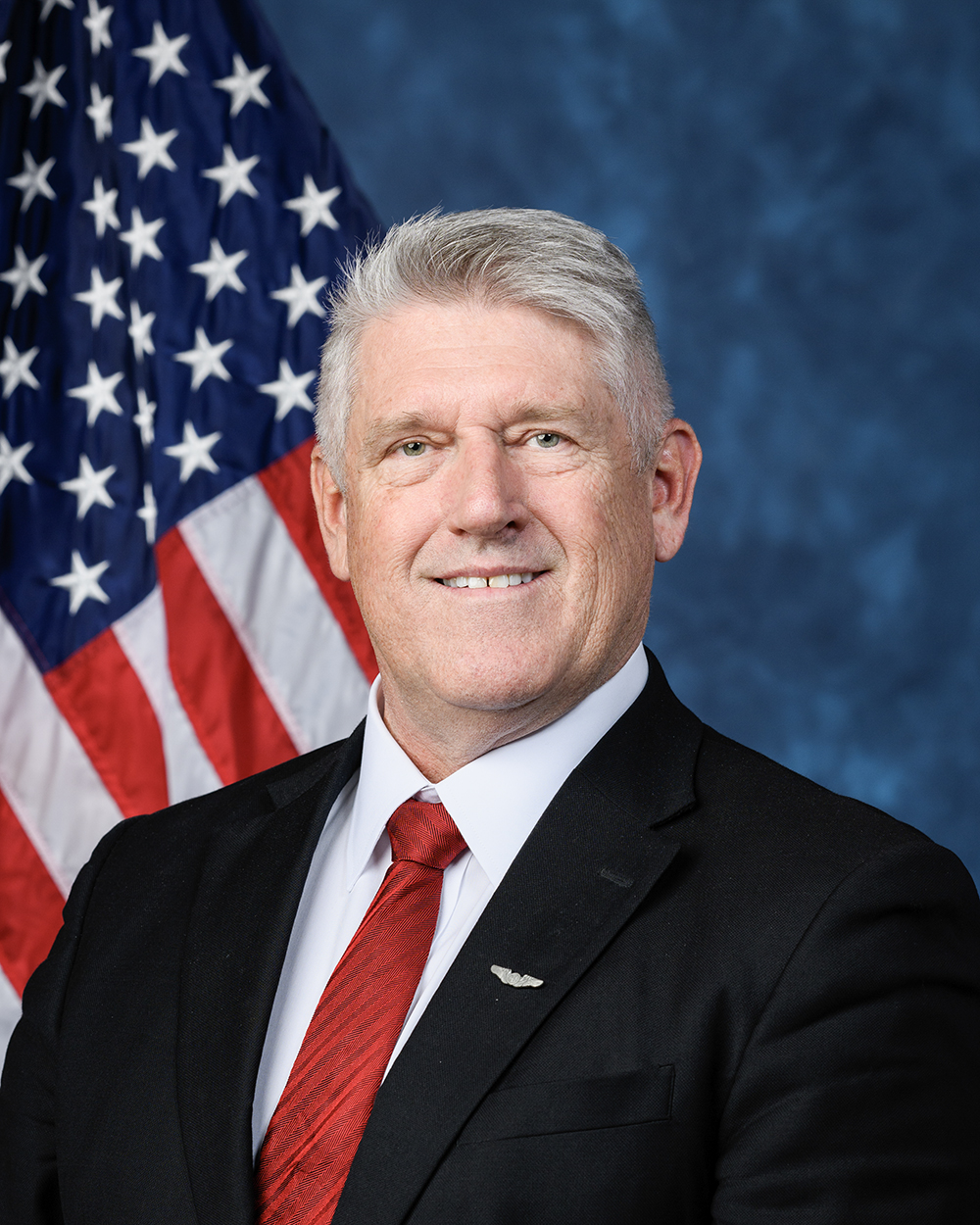
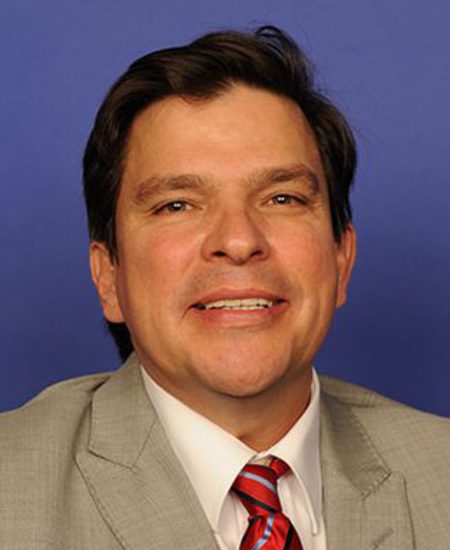
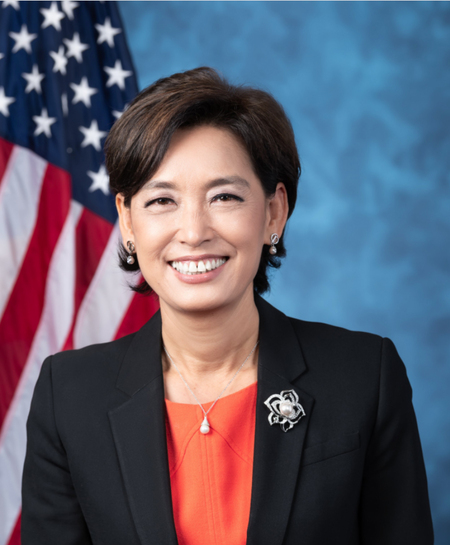
1 primary · 20 co-sponsors
Sponsors
Role
Legislator
Party
State
District
P
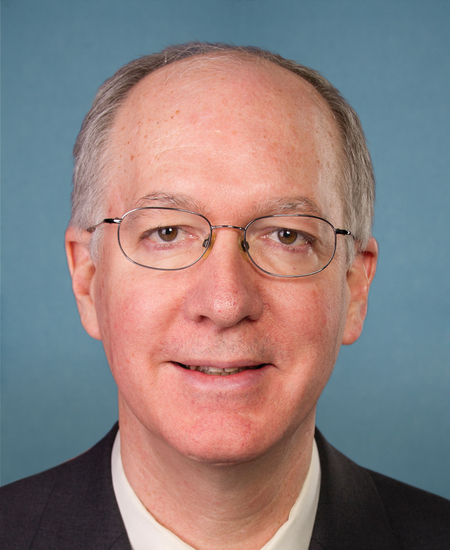
Bill Foster
DDemocratic
Co
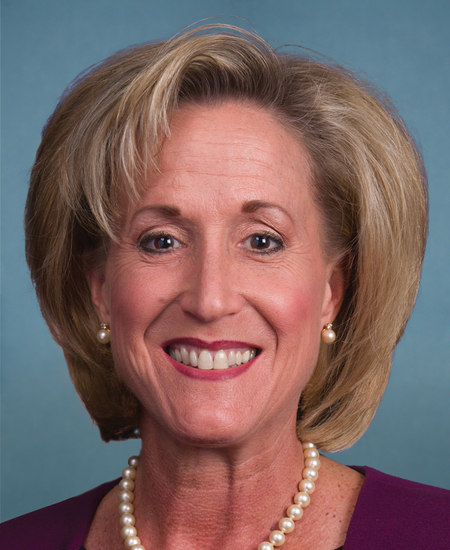
Ann Wagner
RRepublican
Co
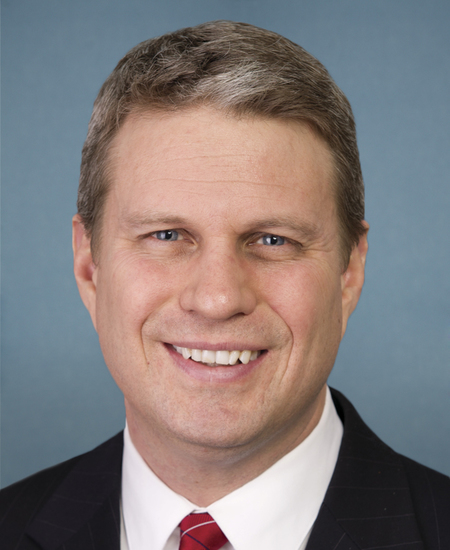
Bill Huizenga
RRepublican
Co
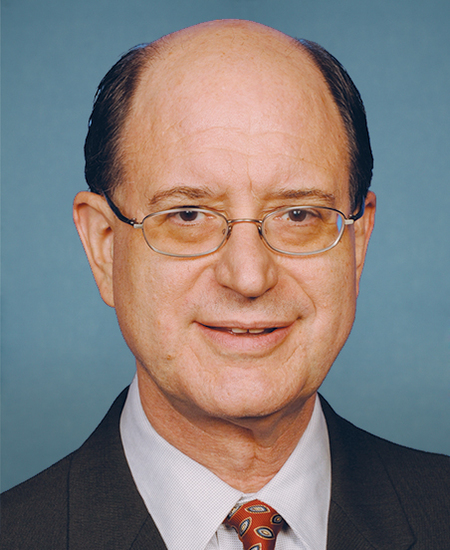
Brad Sherman
DDemocratic
Co
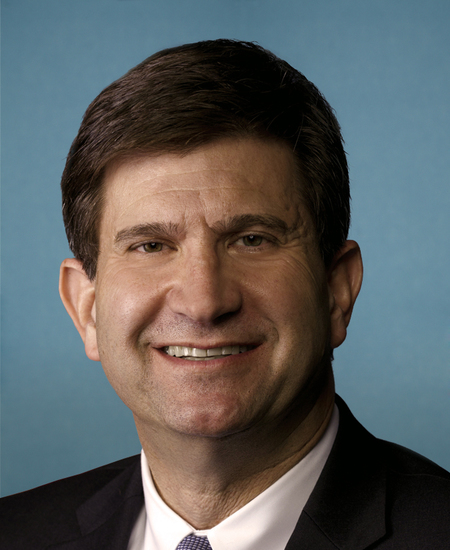
Bradley Scott Schneider
DDemocratic
Co
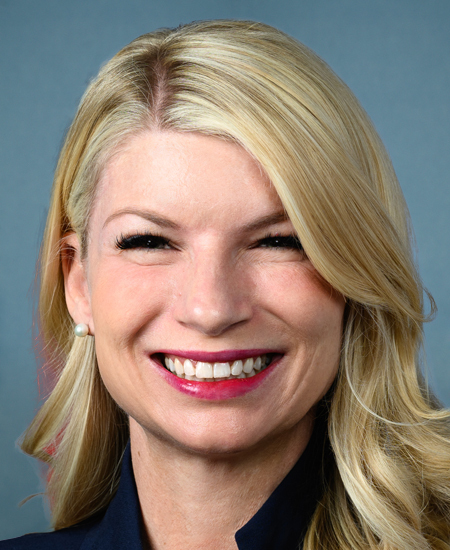
Brittany Pettersen
DDemocratic
Co
Chrissy Houlahan
DDemocratic
Co
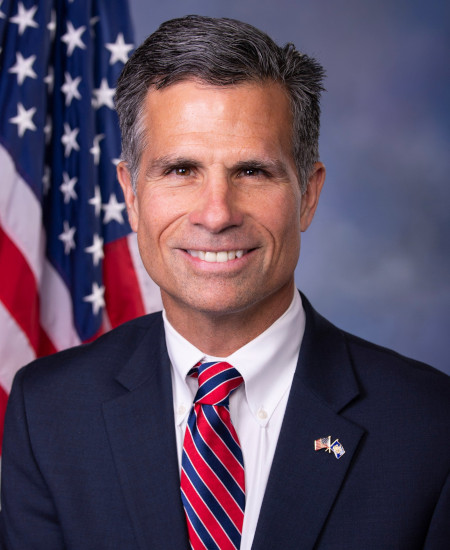
Daniel Meuser
RRepublican
Co
David Scott
DDemocratic
Co
Emanuel Cleaver
DDemocratic
Co
Frank D. Lucas
RRepublican
Ask Maddy
·
AI policy assistant
Ask Maddy about HR 3682
Scope: US
Hi! I can help you understand HR 3682. What would you like to know?
Try one of these
i
Maddy answers using official bill text and legislative records. Always verify before sharing.
Sources cited inline