

QUIET Act
The QUIET Act (HR 1027) requires that robocalls or text messages using artificial intelligence to mimic human communication must disclose at the beginning that AI is being used. It doubles penalties for violations involving AI impersonation intended to defraud, cause harm, or obtain value, applying to automated calls sent to stored numbers or generated randomly. The bill excludes calls requiring substantial human intervention, focusing on transparency and deterrence in AI-driven automated communications.
Bill status
in committee
1 of 4 stages cleared
Introduction
Feb 2025
Committee Review
Floor Vote
President
Introduced Feb 5, 2025
Last action Feb 6, 2025
Floor votes
How they voted
No floor votes recorded yet.
Full legislative history
Actions timeline
Total actions
3
Key actions
0
Committee
1
Feb 5, 2025
Committee
Referred to the House Committee on Energy and Commerce.
lower
Feb 5, 2025
Introduced
Introduced in House
lower
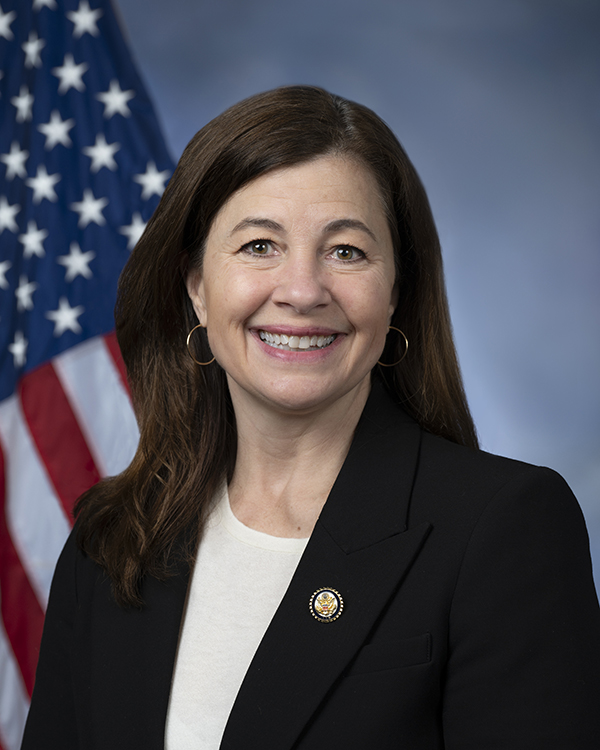
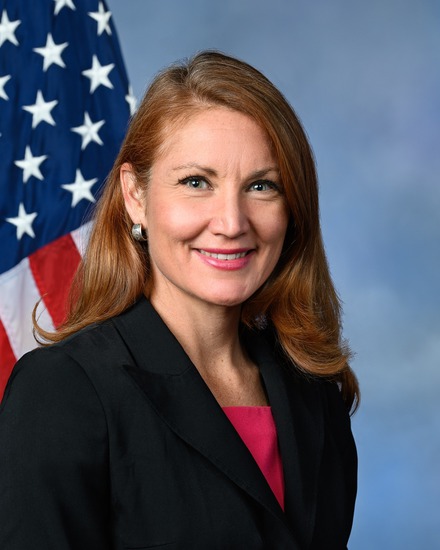
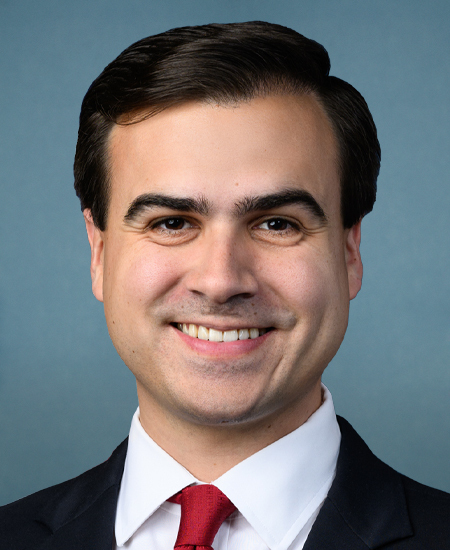
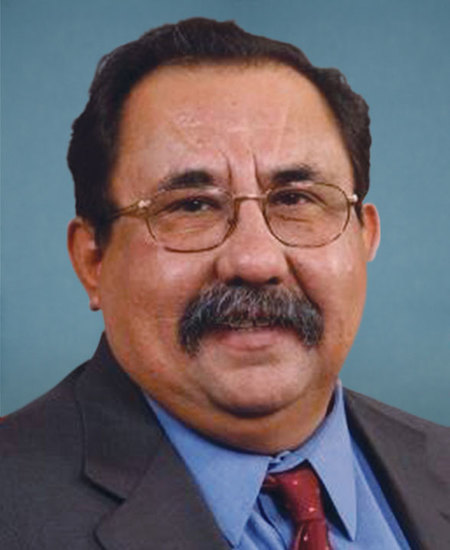
1 primary · 27 co-sponsors
Sponsors
Role
Legislator
Party
State
District
P

Eric Sorensen
DDemocratic
Co

Adelita S. Grijalva
DDemocratic
Co
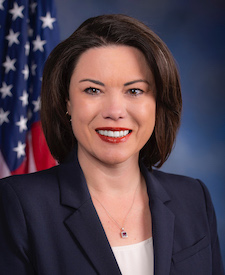
Angie Craig
DDemocratic
Co
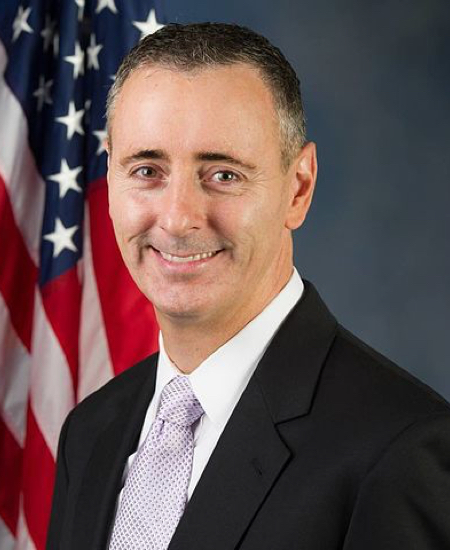
Brian K. Fitzpatrick
RRepublican
Co
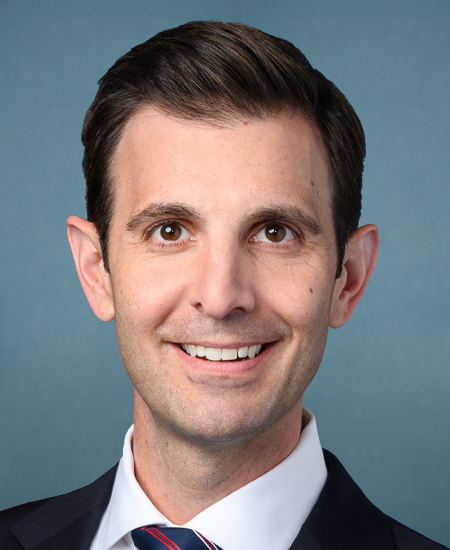
Christopher R. Deluzio
DDemocratic
Co
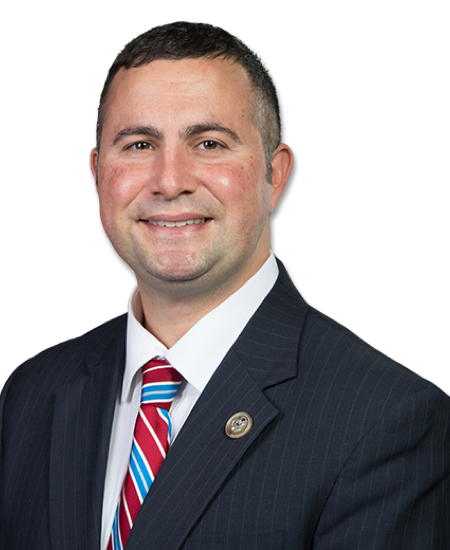
Darren Soto
DDemocratic
Co
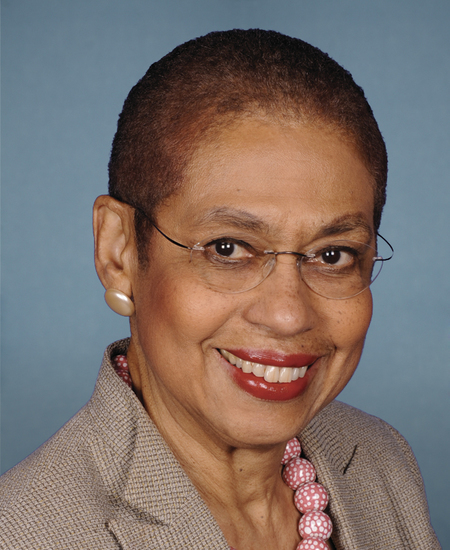
Eleanor Holmes Norton
DDemocratic
Co
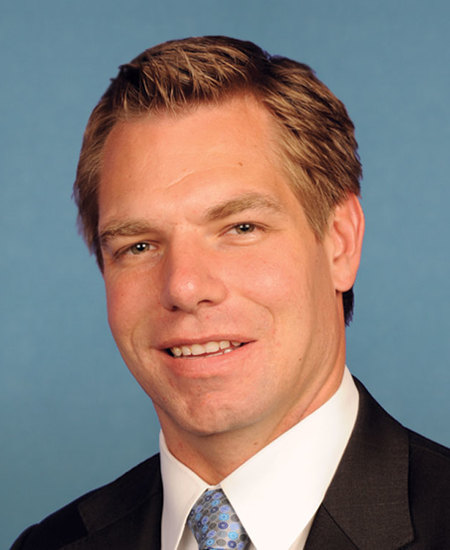
Eric Swalwell
DDemocratic
Co
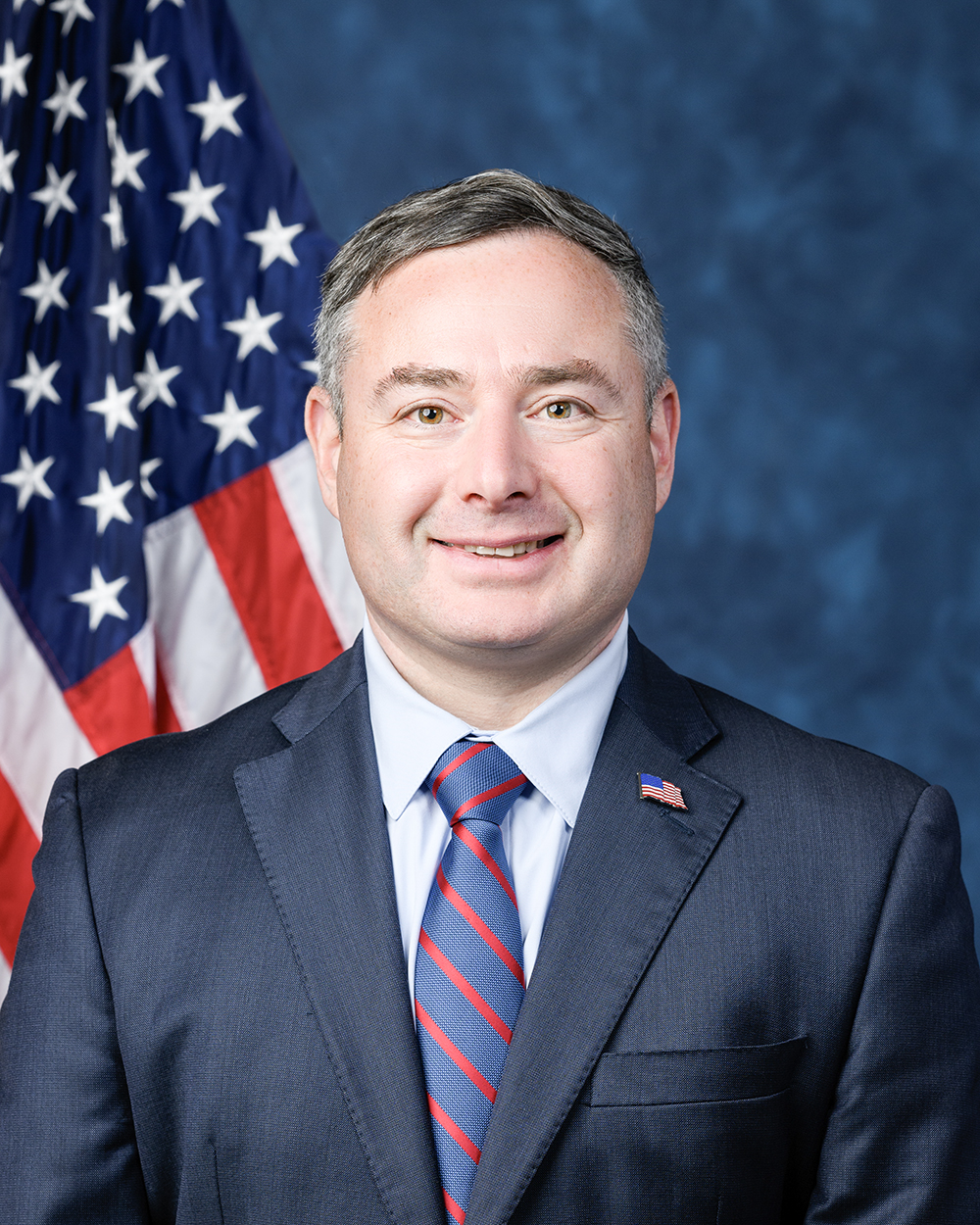
Eugene Simon Vindman
DDemocratic
Co
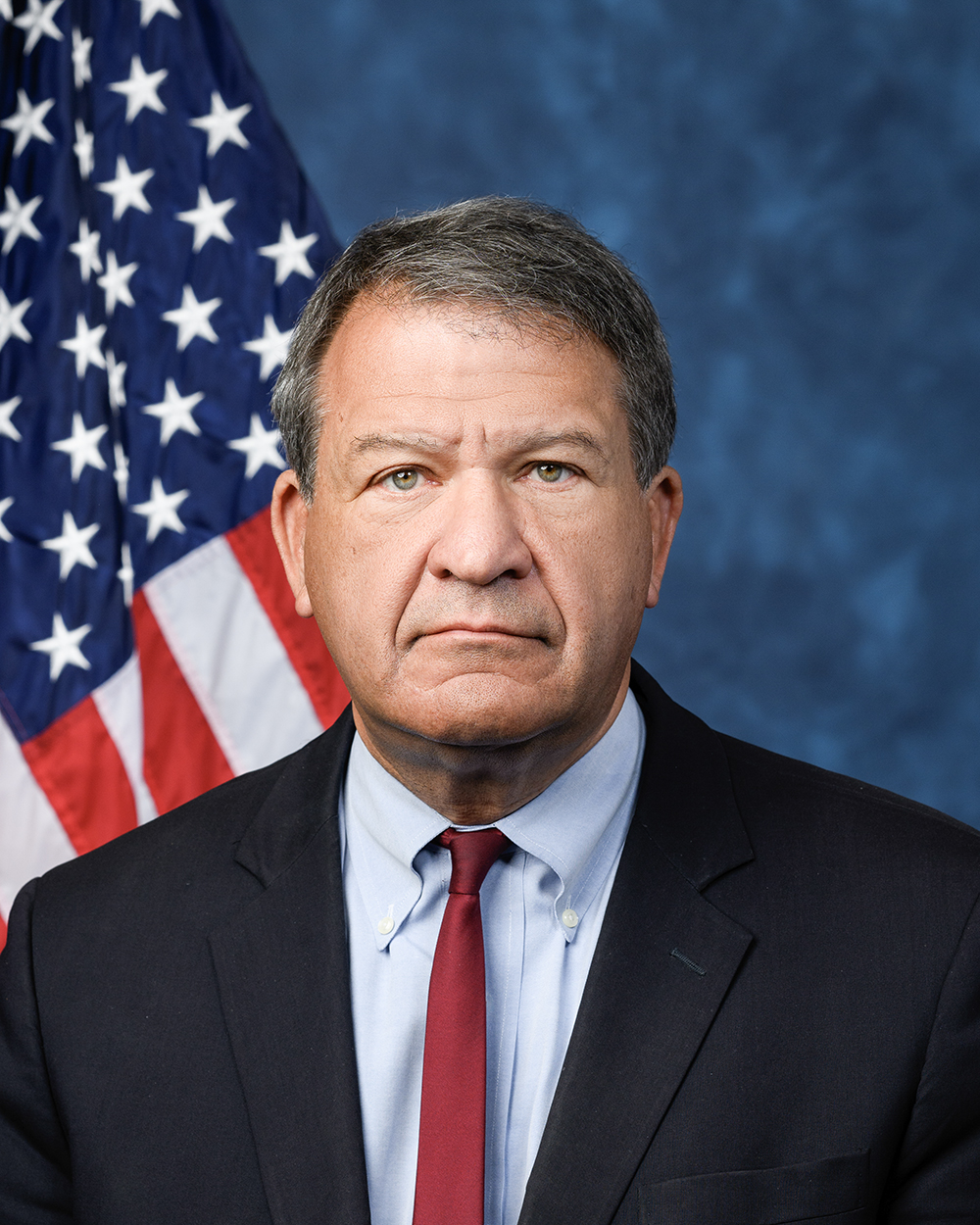
George Latimer
DDemocratic
Co
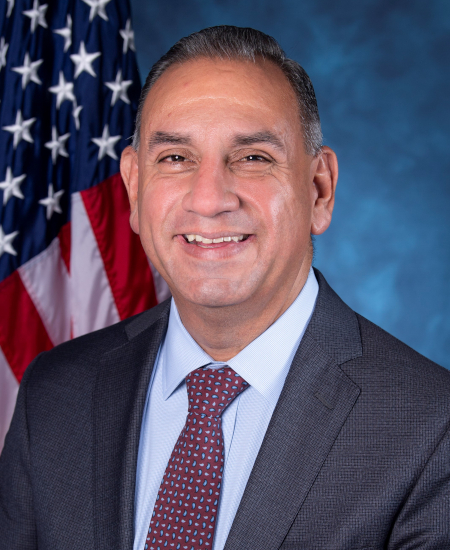
Gilbert Ray Cisneros, Jr.
DDemocratic



Ask Maddy
·
AI policy assistant
Ask Maddy about HR 1027
Scope: US
Hi! I can help you understand HR 1027. What would you like to know?
Try one of these
i
Maddy answers using official bill text and legislative records. Always verify before sharing.
Sources cited inline