

Government Surveillance Reform Act of 2023
# Government Surveillance Reform Act of 2023 - Summary
This comprehensive legislation aims to reform U.S. surveillance practices by strengthening privacy protections, increasing transparency, and placing greater restrictions on certain surveillance technologies. Key provisions include:
## Major Focus Areas
1. **Cell Site Simulator Regulation** (Section 601)
- Requires warrants for most cell site simulator use (with specific exceptions)
- Mandates detailed disclosures about potential disruptions to emergency services
- Requires minimization procedures for incidental collection
- Establishes strict time limits (30 days maximum for initial authorization)
- Prohibits use as evidence in most cases
2. **Vehicle Data Protections** (Section 701)
- Creates new prohibitions on warrantless access to vehicle data
- Defines "covered vehicle data" broadly to include telematics, diagnostics, and sensor data
- Requires specific, written consent for access (with detailed requirements)
- Establishes emergency exceptions with strict 48-hour warrant requirement
3. **Enhanced Transparency and Reporting** (Sections 801-807)
- Requires detailed annual reporting on FISA court certifications and petitions
- Mandates statistics on targets and identifiers under Section 702
- Requires reports on accuracy/completeness of applications
- Establishes more granular reporting requirements for surveillance orders
- Requires public estimates of communications collected under Section 702
4. **Amendments to Foreign Intelligence Surveillance Act** (FISA)
- Adds new requirements for cell site simulator use under FISA
- Strengthens reporting requirements for FISA activities
- Requires annual assessments of compliance with emergency order requirements
5. **General Surveillance Reforms**
- Establishes new prohibitions on certain warrantless searches
- Strengthens minimization procedures for incidental collection
- Requires specific disclosures about potential impacts on protected activities
- Creates new civil remedies for unlawful surveillance
The bill aims to balance national security needs with privacy rights by implementing strict procedural safeguards, requiring greater transparency about surveillance activities, and placing specific limits on the use of invasive surveillance technologies without proper judicial oversight. It represents a significant overhaul of existing surveillance frameworks with particular focus on modern technologies and data collection practices.
Bill status
in committee
1 of 4 stages cleared
Introduction
Nov 2023
Committee Review
Floor Vote
President
Introduced Nov 7, 2023
Last action Nov 7, 2023
Floor votes
How they voted
No floor votes recorded yet.
Full legislative history
Actions timeline
Total actions
2
Key actions
0
Committee
1
Nov 7, 2023
Committee
Read twice and referred to the Committee on the Judiciary.
upper
Nov 7, 2023
Introduced
Introduced in Senate
upper
1 primary · 10 co-sponsors
Sponsors
Role
Legislator
Party
State
District
P
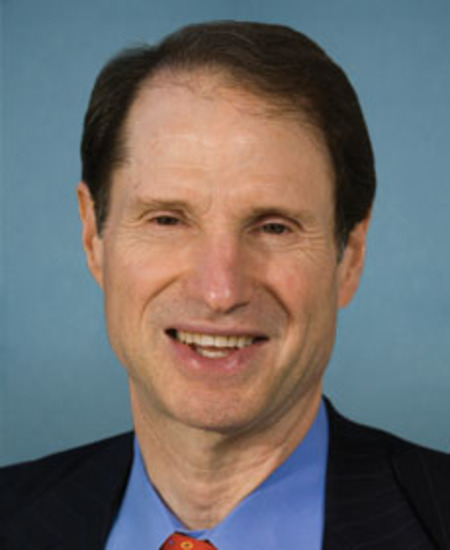
Ron Wyden
DDemocratic
Co

Cynthia M. Lummis
RRepublican
Co
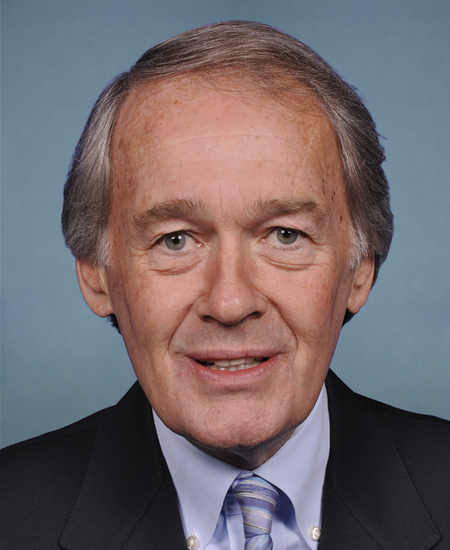
Edward J. Markey
DDemocratic
Co

Elizabeth Warren
DDemocratic
Co

Jeff Merkley
DDemocratic
Co

Jon Tester
DDemocratic
Co

Martin Heinrich
DDemocratic
Co

Mazie K. Hirono
DDemocratic
Co

Mike Lee
RRepublican
Co
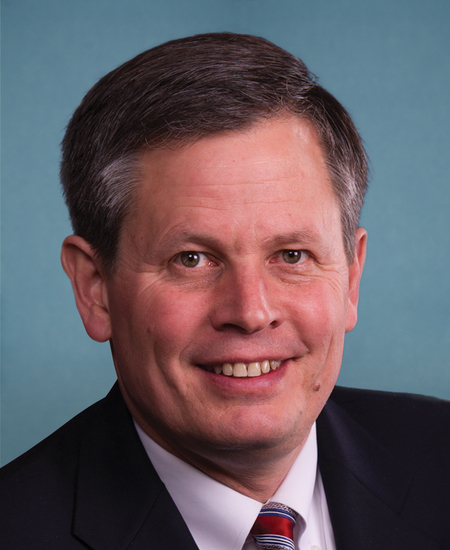
Steve Daines
RRepublican
Co

Tammy Baldwin
DDemocratic
Ask Maddy
·
AI policy assistant
Ask Maddy about S 3234
Scope: US
Hi! I can help you understand S 3234. What would you like to know?
Try one of these
i
Maddy answers using official bill text and legislative records. Always verify before sharing.
Sources cited inline