

PREVAIL Act
The PREVAIL Act (S 2220) aims to strengthen the U.S. patent system by making patent challenges more reliable and reducing repetitive proceedings. It requires Patent Trial and Appeal Board reviews to be heard by at least three members, prevents members who decided to institute a review from hearing it, and establishes rules to prevent multiple challenges to the same patent in different forums. The bill also changes the burden of proof in patent challenges, requiring petitioners to prove unpatentability by "clear and convincing evidence" for original claims, and mandates that all patent fees be used specifically for USPTO operations rather than diverted to general government funds. These changes directly affect patent owners, challengers, and the Patent Trial and Appeal Board, aiming to make the patent system more effective for inventors and innovators.
Bill status
in committee
1 of 4 stages cleared
Introduction
Jul 2023
Committee Review
Floor Vote
President
Introduced Jul 10, 2023
Last action Dec 2, 2024
Floor votes
How they voted
No floor votes recorded yet.
Full legislative history
Actions timeline
Total actions
5
Key actions
2
Committee
3
Dec 2, 2024
Upper · Passed
Committee on the Judiciary. Reported by Senator Durbin with an amendment in the nature of a substitute. Without written report.
upper
Nov 21, 2024
Upper · Passed
Committee on the Judiciary. Ordered to be reported with an amendment in the nature of a substitute favorably.
upper
Jul 10, 2023
Committee
Read twice and referred to the Committee on the Judiciary.
upper
Jul 10, 2023
Introduced
Introduced in Senate
upper
1 primary · 3 co-sponsors
Sponsors
Role
Legislator
Party
State
District
P
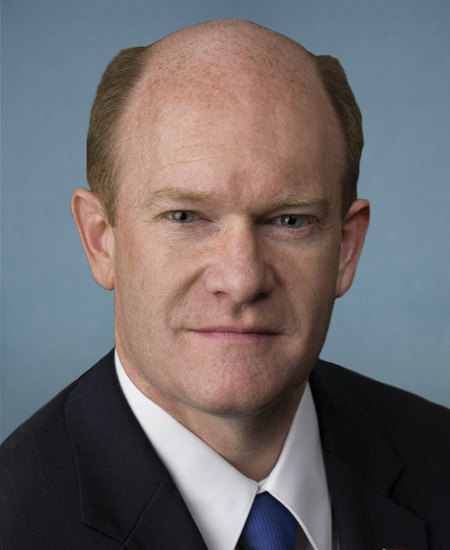
Christopher A. Coons
DDemocratic
Co
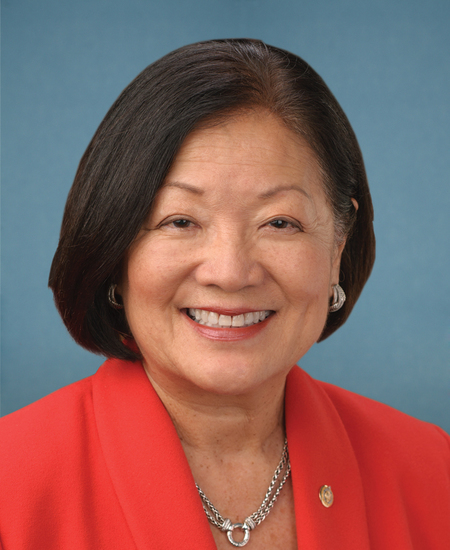
Mazie K. Hirono
DDemocratic
Co
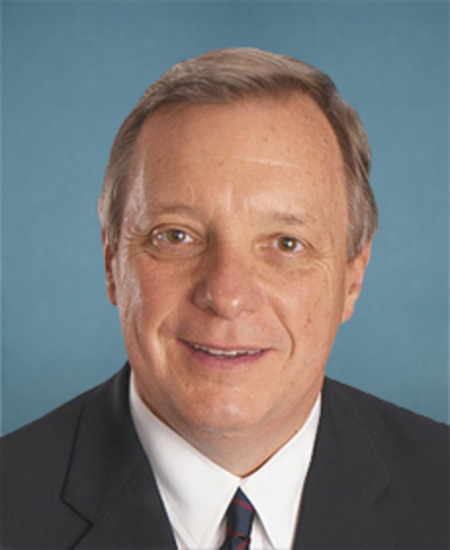
Richard J. Durbin
DDemocratic
Co

Thom Tillis
RRepublican
Ask Maddy
·
AI policy assistant
Ask Maddy about S 2220
Scope: US
Hi! I can help you understand S 2220. What would you like to know?
Try one of these
i
Maddy answers using official bill text and legislative records. Always verify before sharing.
Sources cited inline