S 211 United States Senate · 118th Congress

SMART Leasing Act

The SMART Leasing Act establishes a two-year pilot program allowing federal agencies to lease underutilized government properties (like buildings or land) to private entities, state/local governments, or other federal agencies at fair market value. Rental income must first cover the agency's lease costs, with any surplus funding property maintenance, upgrades, and improvements through a dedicated working capital account. The program includes strict safeguards: no leasebacks during term, a maximum of six annual leases, 15-year lease limits, and mandatory certification that leases won’t harm agency missions. Federal agencies must report annually to Congress on lease details and fund usage, with a final evaluation due two years after enactment to determine if the pilot should continue.
Bill status passed 3 of 5 stages cleared
Introduction
Feb 2023
Committee Review
May 2023
Senate Passage
Aug 2024
House Passage
President
Introduced Feb 1, 2023 Last action Aug 6, 2024
Maddy AI version diff · 1 comparison

What changed between versions

Introduced in Senate Engrossed in Senate · 4 edits · Aug 1, 2024
MODERATE
The Senate engrossed version of S 211 makes three substantive changes to the pilot lease program: it splits unused lease revenue 50/50 between a working capital account and deficit reduction deposits, adds a new prohibition on leasing to certain categories of entities (including foreign government-controlled entities, 527 political organizations, and current federal grantees), and bars the use of pilot leases for lobbying activities. These changes tighten oversight and redirect half of surplus lease revenue to the Treasury.
FISCAL

Unused monetary consideration from leases is now split: 50 percent goes to a working capital account for property maintenance and improvements (as before), and 50 percent is deposited in the general fund of the Treasury specifically for deficit reduction. Previously, all unused amounts went to the working capital account.

ELIGIBILITY

A new prohibition bars the Administrator from entering into a pilot lease with any individual or entity that: intends to conduct illegal activities in Federal facilities or under Federal law; conducts activities for which Federal funding is prohibited; is a section 527 political organization under the Internal Revenue Code; is owned, operated, or controlled by a foreign government; or currently holds a Federal grant, contract, or award from the applicable agency still in its performance period.

REQUIREMENT

A new limitation prohibits using any pilot program lease to carry out lobbying activities as defined in section 3 of the Lobbying Disclosure Act of 1995 (2 U.S.C. 1602).

TECHNICAL

Minor wording fix in subparagraph (A): changed 'full costs to the Administration' to 'full costs to the Administrator.' Also corrected an en dash to a hyphen in the McKinney-Vento reference.

Floor votes

How they voted

This bill passed the Senate by voice vote (no roll call recorded).
Full legislative history

Actions timeline

Total actions
10
Key actions
4
Committee
3
Aug 1, 2024
Upper · Passed
Passed Senate with an amendment by Unanimous Consent. (consideration: CR S5835-5836; text: CR S5835-5836)
upper
Aug 1, 2024
Upper · Passed
Passed/agreed to in Senate: Passed Senate with an amendment by Unanimous Consent. (consideration: CR S5835-5836; text: CR S5835-5836)
upper
May 30, 2023
Upper · Passed
Committee on Homeland Security and Governmental Affairs. Reported by Senator Peters with an amendment in the nature of a substitute. With written report No. 118-35.
upper
Mar 29, 2023
Upper · Passed
Committee on Homeland Security and Governmental Affairs. Ordered to be reported with an amendment in the nature of a substitute favorably.
upper
Feb 1, 2023
Committee
Read twice and referred to the Committee on Homeland Security and Governmental Affairs.
upper
Feb 1, 2023
Introduced
Introduced in Senate
upper
1 primary · 3 co-sponsors

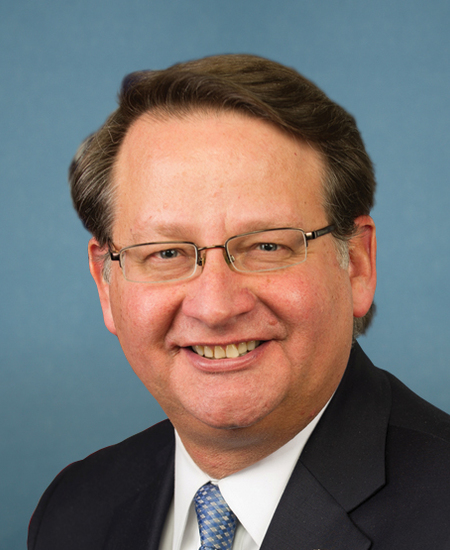
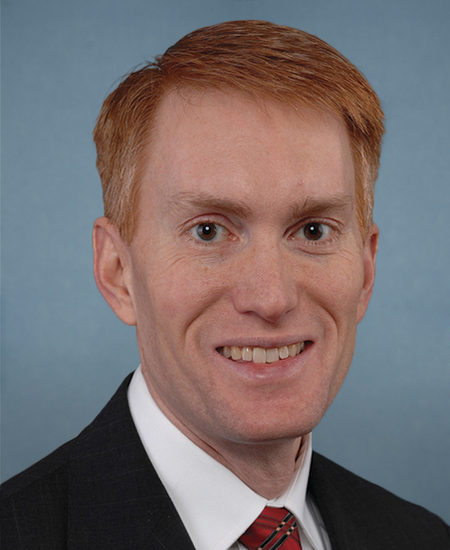
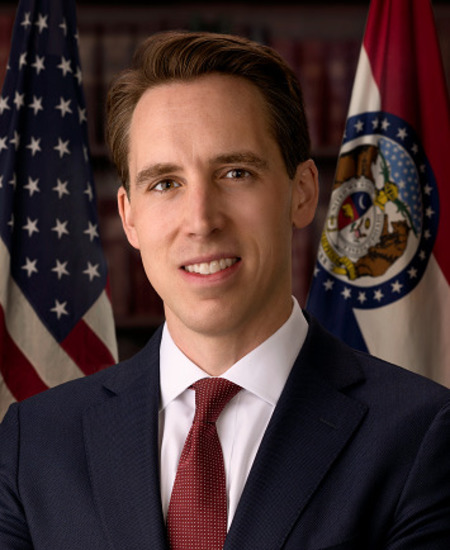
Sponsors