

Countering Communist China Act
# Summary of Proposed Legislation
This document outlines a comprehensive U.S. legislative proposal with several key components:
1. **Research Restrictions**:
- Requires certification from Federal research grant recipients that they are not Chinese citizens or participants in Chinese talent programs
- Prohibits employment of Chinese nationals in federally funded research
- Requires institutions receiving Federal assistance to agree not to knowingly employ individuals participating in Chinese talent programs
2. **Foreign Gifts and Contracts Disclosure**:
- Mandates disclosure of foreign gifts/contracts over $50,000 to universities
- Requires public reporting of restricted/conditional gifts/contracts
- Creates a searchable public database of foreign gifts to universities
- Requires institutions to maintain policies regarding foreign gifts to faculty and staff
3. **Investment Restrictions**:
- Restricts tax-exempt organizations from holding investments in "disqualified Chinese companies" (defined as corporations incorporated in China or with significant Chinese government ownership)
- Requires annual reporting on such investments
- Allows limited waivers with public disclosure
4. **Taiwan Policy**:
- Prohibits U.S. government from recognizing PRC claims to sovereignty over Taiwan without Taiwan's consent
- Requires U.S. government to treat Taiwan's democratically elected government as the legitimate representative of the people of Taiwan
- Requires a strategy to protect U.S. businesses from Chinese coercion efforts
5. **Additional Provisions**:
- Requires participants in Chinese talent programs to register as agents of the Chinese government
- Amends economic espionage laws to include education and research
- Mandates disclosure of certain funds received by visa holders
The legislation represents a significant effort to limit Chinese influence in U.S. academic institutions, research, and business sectors while establishing a more robust policy framework regarding Taiwan.
Bill status
in committee
1 of 4 stages cleared
Introduction
Feb 2024
Committee Review
Floor Vote
President
Introduced Feb 29, 2024
Last action Dec 17, 2024
Floor votes
How they voted
No floor votes recorded yet.
Full legislative history
Actions timeline
Total actions
3
Key actions
0
Committee
2
Dec 17, 2024
Committee
Referred to the Subcommittee on Trade.
lower
Feb 29, 2024
Committee
Referred to the Committee on Foreign Affairs, and in addition to the Committees on Financial Services, Ways and Means, Rules, the Judiciary, Oversight and Accountability, Energy and Commerce, Intelligence (Permanent Select), Agriculture, Science, Space, and Technology, Natural Resources, Education and the Workforce, Armed Services, Transportation and Infrastructure, and Veterans' Affairs, for a period to be subsequently determined by the Speaker, in each case for consideration of such provisions as fall within the jurisdiction of the committee concerned.
lower
Feb 29, 2024
Introduced
Introduced in House
lower
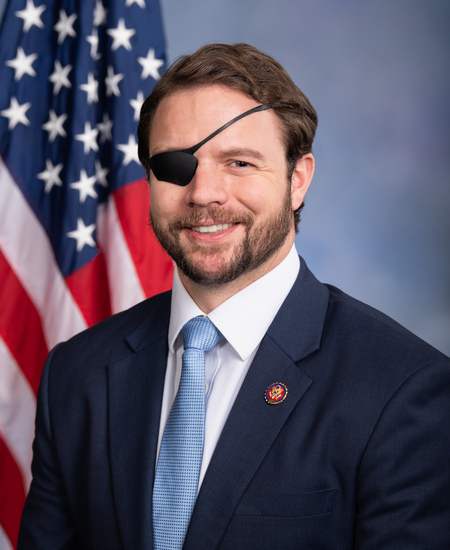
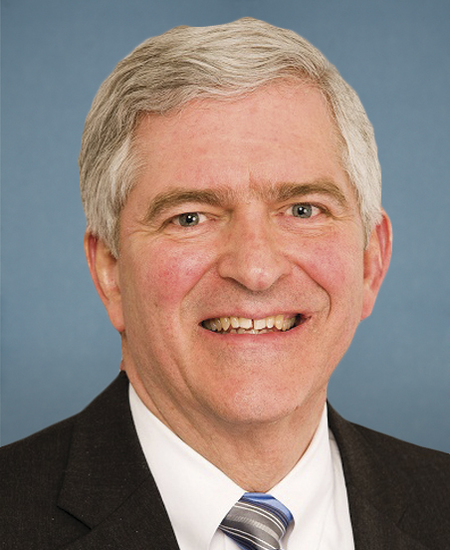
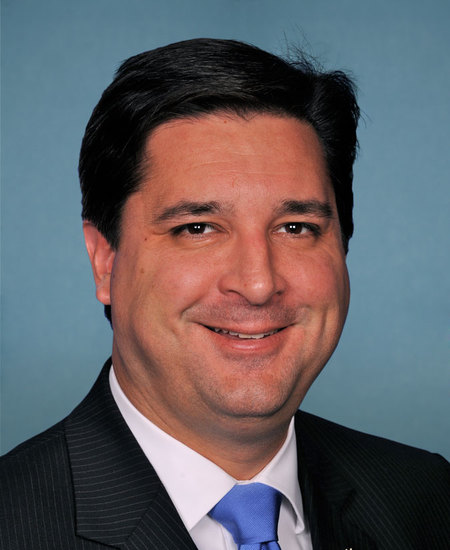
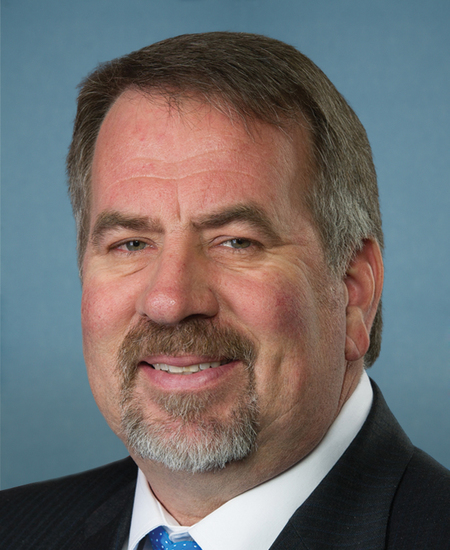
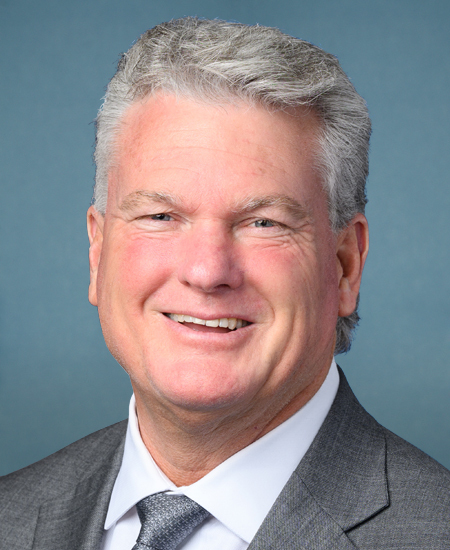
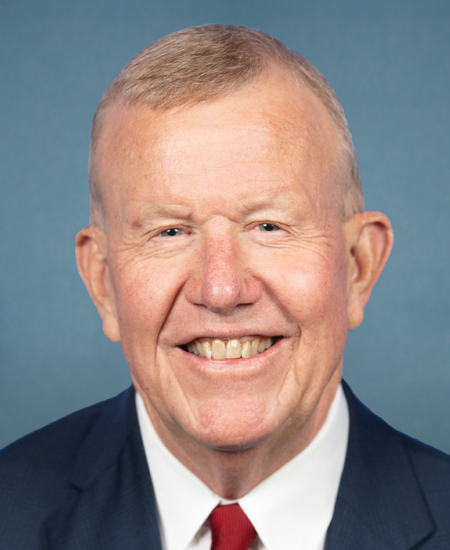
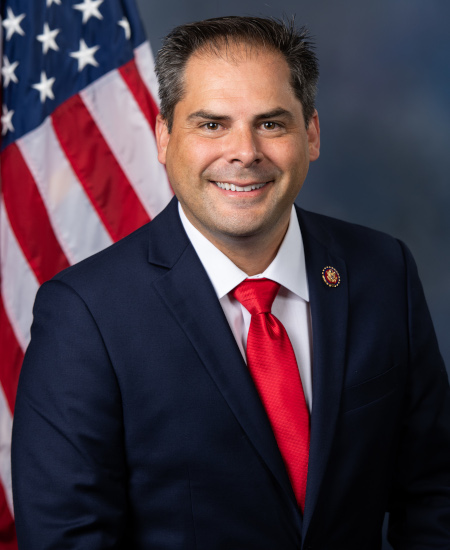
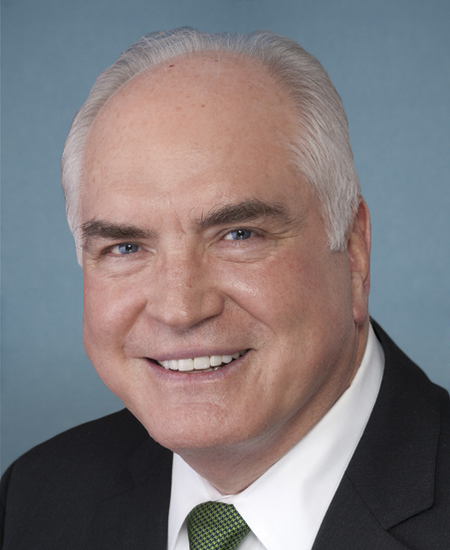
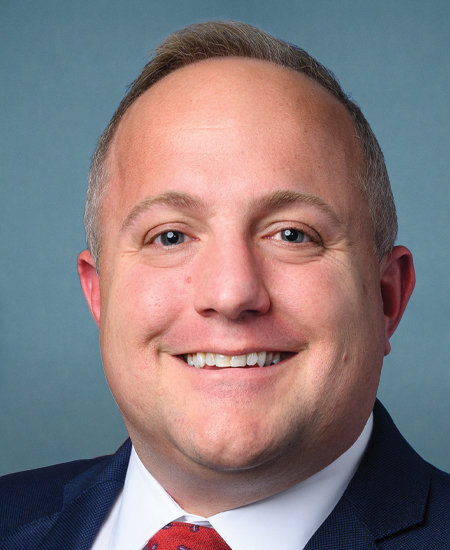
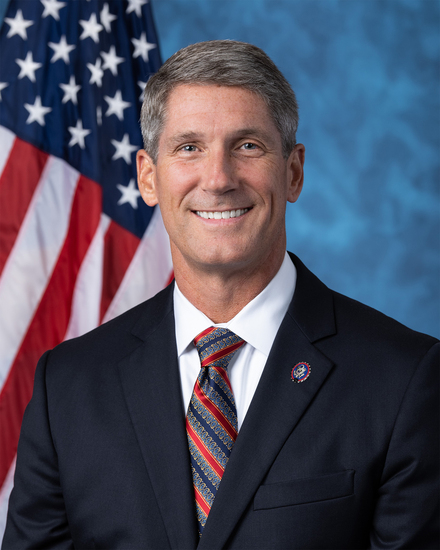
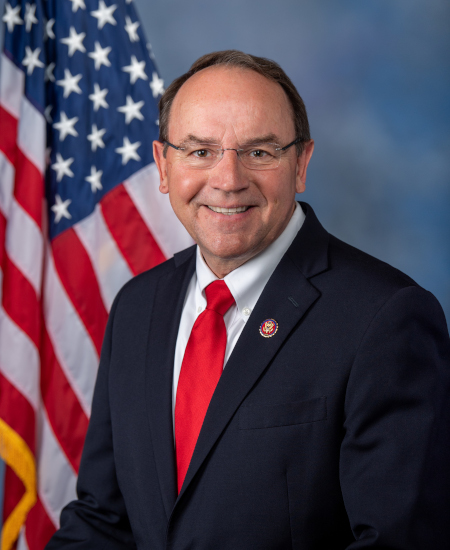
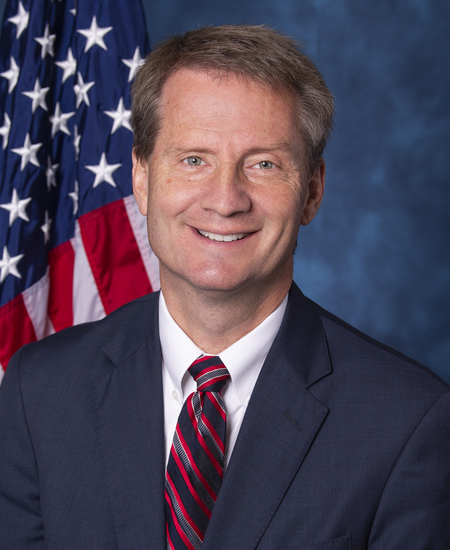
1 primary · 49 co-sponsors
Sponsors
Role
Legislator
Party
State
District
P
Kevin Hern
RRepublican
Co

Aaron Bean
RRepublican
Co
Alexander X. Mooney
RRepublican
Co
August Pfluger
RRepublican
Co
Barry Moore
RRepublican
Co
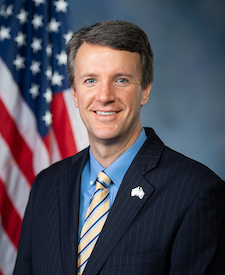
Ben Cline
RRepublican
Co
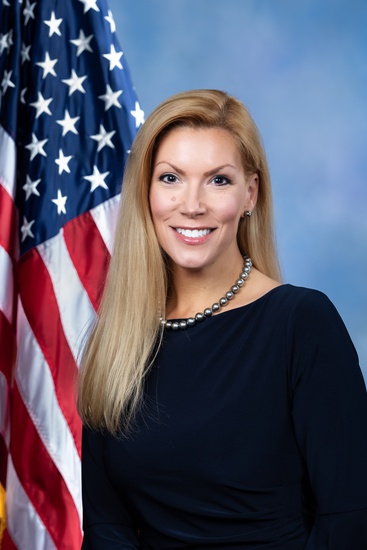
Beth Van Duyne
RRepublican
Co
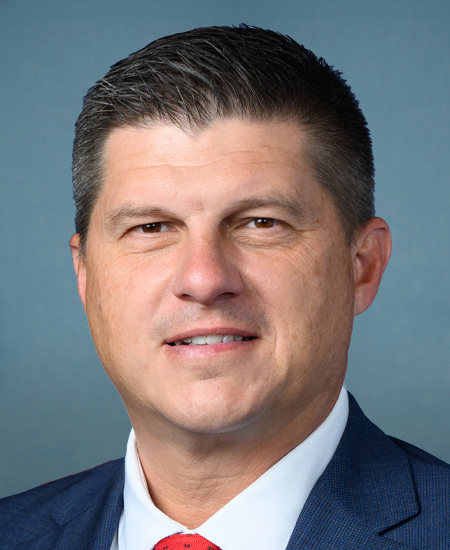
Brad Finstad
RRepublican
Co
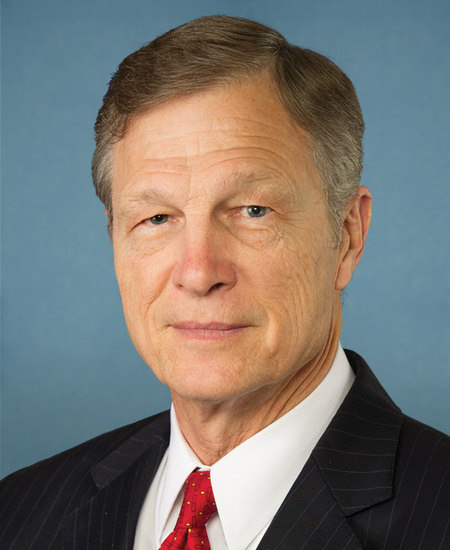
Brian Babin
RRepublican
Co
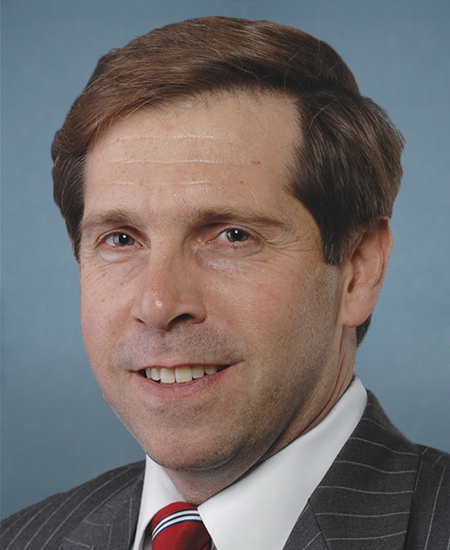
Charles J. "Chuck" Fleischmann
RRepublican
Co

Christopher H. Smith
RRepublican



Ask Maddy
·
AI policy assistant
Ask Maddy about HR 7476
Scope: US
Hi! I can help you understand HR 7476. What would you like to know?
Try one of these
i
Maddy answers using official bill text and legislative records. Always verify before sharing.
Sources cited inline