

Rolling Stock Protection Act
HR 3317, the Rolling Stock Protection Act, removes a lifetime exemption in federal procurement rules for railroad equipment (rolling stock). It amends U.S. Code Section 5323(u)(5) to eliminate an exception that previously allowed certain government contracts to bypass standard procurement requirements indefinitely. This change directly affects federal agencies and contractors purchasing railroad equipment, requiring all such contracts to follow standard procurement processes without permanent exemptions. The bill makes a technical adjustment to existing law, ensuring consistent application of procurement rules for all rolling stock contracts.
Bill status
passed
3 of 5 stages cleared
Introduction
May 2023
Committee Review
May 2024
House Passage
May 2024
Senate Passage
President
Introduced May 15, 2023
Last action May 22, 2024
Floor votes
How they voted
This bill passed the House by voice vote (no roll call recorded).
Full legislative history
Actions timeline
Total actions
15
Key actions
4
Committee
6
May 22, 2024
Committee
Received in the Senate and Read twice and referred to the Committee on Banking, Housing, and Urban Affairs.
upper
May 21, 2024
Lower · Passed
Passed/agreed to in House: On motion to suspend the rules and pass the bill Agreed to by voice vote. (text: CR H3382)
lower
May 14, 2024
Lower · Passed
Reported by the Committee on Transportation and Infrastructure. H. Rept. 118-508.
lower
May 23, 2023
Lower · Passed
Committee Consideration and Mark-up Session Held.
lower
May 23, 2023
Lower · Passed
Subcommittee on Highways and Transit Discharged.
lower
May 16, 2023
Committee
Referred to the Subcommittee on Highways and Transit.
lower
May 15, 2023
Committee
Referred to the House Committee on Transportation and Infrastructure.
lower
May 15, 2023
Introduced
Introduced in House
lower
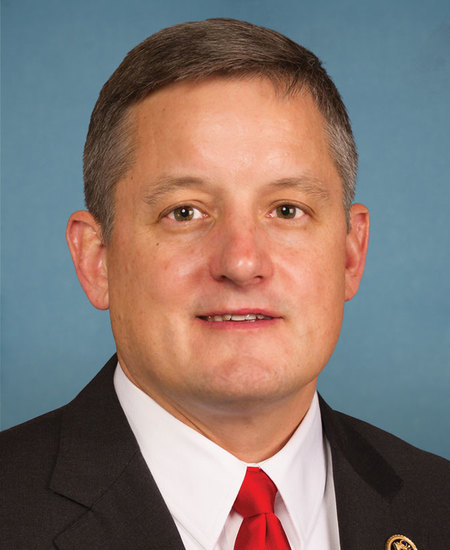
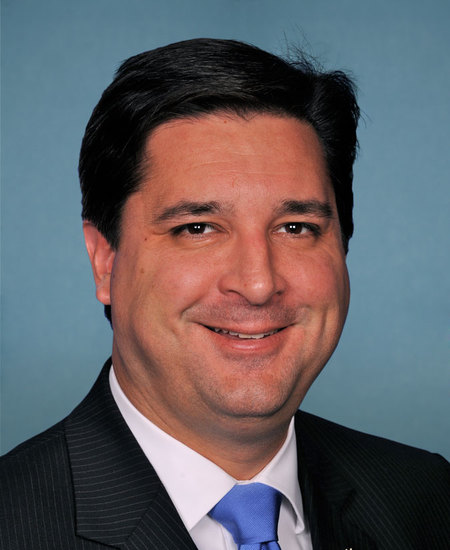
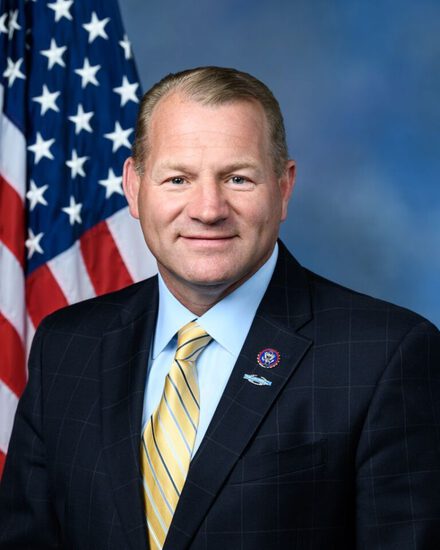
1 primary · 7 co-sponsors
Sponsors





Ask Maddy
·
AI policy assistant
Ask Maddy about HR 3317
Scope: US
Hi! I can help you understand HR 3317. What would you like to know?
Try one of these
i
Maddy answers using official bill text and legislative records. Always verify before sharing.
Sources cited inline