

Intergenerational Financial Obligations Reform Act
Summary
Intergenerational Financial Obligations Reform Act This bill requires the Congressional Budget Office, the Office of Management and Budget, and the Government Accountability Office to provide various reports that include a fiscal gap analysis and a generational accounting analysis. Under the bill, the fiscal gap generally refers to the sum of (1) the total amount of Treasury liabilities outstanding on the last day of the budget year, and (2) the discounted present value of the projected difference between federal spending and revenues during the period of the budget year and at least the next 75 fiscal years (excluding spending for net interest and principal payments on Treasury liabilities). A generational accounting analysis addresses the fiscal impact that projected federal spending and tax burdens will have on various generations of individuals.
Bill status
in committee
1 of 4 stages cleared
Introduction
Sep 2021
Committee Review
Floor Vote
President
Introduced Sep 22, 2021
Last action Sep 29, 2021
Floor votes
How they voted
No floor votes recorded yet.
Full legislative history
Actions timeline
Total actions
3
Key actions
0
Committee
1
Sep 22, 2021
Committee
Referred to the House Committee on the Budget.
lower
Sep 22, 2021
Introduced
Introduced in House
lower
1 primary · 9 co-sponsors
Sponsors
Role
Legislator
Party
State
District
P

Gregory F. Murphy
RRepublican
Co

Bill Johnson
RRepublican
Co
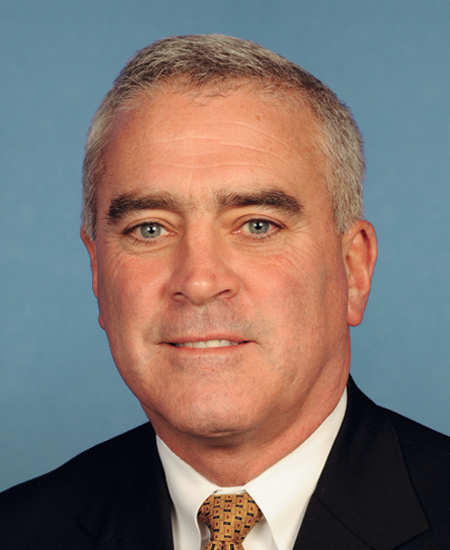
Brad R. Wenstrup
RRepublican
Co
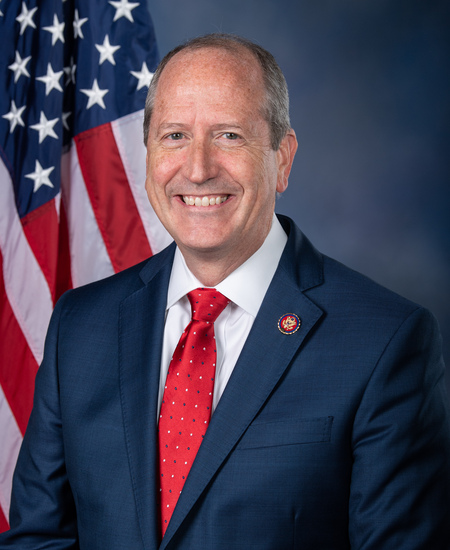
Dan Bishop
RRepublican
Co

Dan Crenshaw
RRepublican
Co
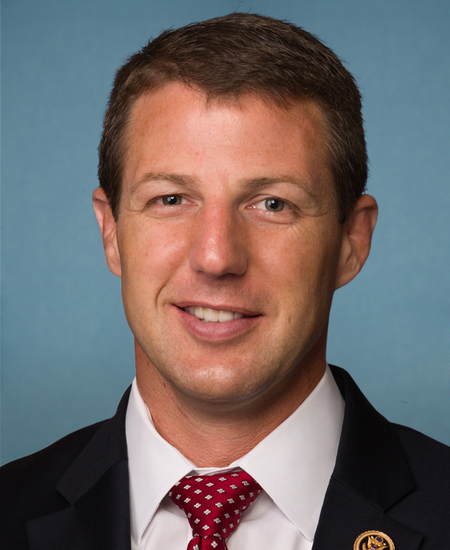
Markwayne Mullin
RRepublican
Co
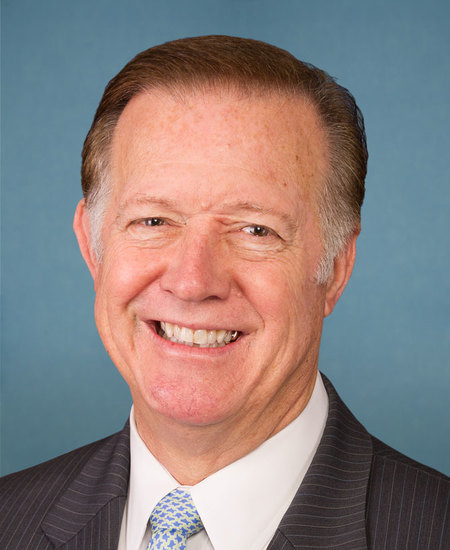
Randy K. Weber, Sr.
RRepublican
Co
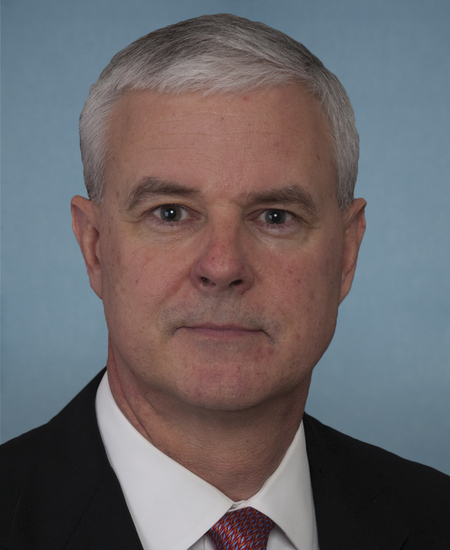
Steve Womack
RRepublican
Co

Ted Budd
RRepublican
Co
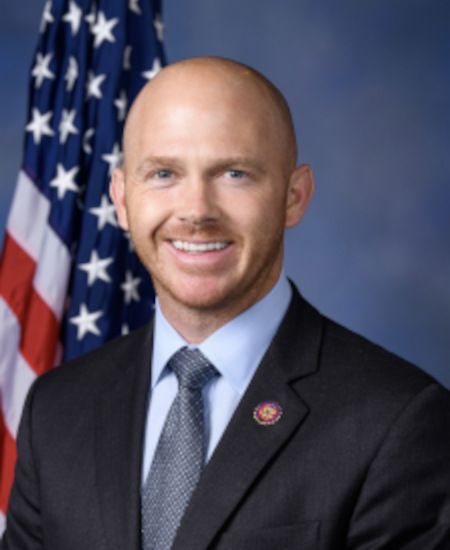
William R. Timmons IV
RRepublican
Ask Maddy
·
AI policy assistant
Ask Maddy about HR 5340
Scope: US
Hi! I can help you understand HR 5340. What would you like to know?
Try one of these
i
Maddy answers using official bill text and legislative records. Always verify before sharing.
Sources cited inline