

Rural STEM Education Research Act
Summary
Rural STEM Education Research Act This bill specifies federal scientific research and development efforts towards STEM (science, technology, engineering, and mathematics, including computer science) workforce development and rural STEM education. (Sec. 3) The bill amends the objectives of the Manufacturing Extension Partnership program to include the provision to secondary schools of information about the job skills needed in manufacturing companies, and the promotion and expansion of certification systems offered through local high schools. The activities of a manufacturing extension center are expanded to include local high schools in the facilitation of collaborations and partnerships between manufacturing companies and schools to help those entities better understand the specific needs of manufacturers and to help manufacturers better understand the skill sets that students learn in school programs. The National Institute of Standards and Technology (NIST) must award prizes to stimulate research and development of creative technologies in order to deploy affordable and reliable broadband connectivity to underserved rural communities. NIST may award not more than a total of $5 million in prizes. (Sec. 4) The Office of Science and Technology Policy must establish a broadband research and development working group to address national research challenges and opportunities for improving broadband access and adoption across the United States. (Sec. 5) The National Science Foundation (NSF) shall enter into an agreement with the National Academy of Sciences under which the National Academy of Sciences agrees to evaluate aspects of STEM education and workforce development in rural areas. (Sec. 6) The Government Accountability Office shall conduct a study on the engagement of rural populations in federal STEM programs. (Sec. 7) Experimental Program to Stimulate Competitive Research (EPSCoR) programs shall consider modifications to award structures to increase the capacity of rural communities to provide quality STEM education and STEM workforce development programming to students and teachers. (Sec. 8) The NSF must award grants to institutions of higher education or nonprofit organizations for (1) research and development to advance innovative approaches to support and sustain high-quality STEM teaching in rural schools, (2) research and development of programming to identify the barriers rural students face in accessing high-quality STEM education, (3) development of innovative solutions to improve the participation and advancement of rural students in grades Pre-K through 12 in STEM studies, and (4) research on online STEM education courses for rural communities. The NSF may establish a pilot program of regional cohorts in rural areas to provide peer support, mentoring, and hands-on research experiences for rural STEM educators of students in grades Pre-K through 12 in order to build an ecosystem of cooperation among educators, researchers, academia, and local industry.
Bill status
passed
3 of 5 stages cleared
Introduction
Jan 2021
Committee Review
May 2021
House Passage
May 2021
Senate Passage
President
Introduced Jan 5, 2021
Last action May 19, 2021
Floor votes
How they voted
This bill passed the House by voice vote (no roll call recorded).
Full legislative history
Actions timeline
Total actions
10
Key actions
2
Committee
2
Amendments
1
May 19, 2021
Committee
Received in the Senate and Read twice and referred to the Committee on Health, Education, Labor, and Pensions.
upper
May 18, 2021
Lower · Passed
Pursuant to section 5 of H. Res. 403, and the motion offered by Mr. Hoyer, the following bills passed under suspension of the rules: H.R. 144, as amended; H.R. 204, as amended; H.R. 210, as amended; H.R. 240; H.R. 707, as amended; H.R. 711, as amended; H.R. 1157, as amended; H.R. 1447, as amended; H.R. 1510, as amended; H.R. 1711, as amended; H.R. 2027; H.R. 2167, as amended; H.R. 2441; H.R. 2494; H.R. 2533; H.R. 2655, as amended; H.R. 2695, H.R. 2704; H.R. 2788; H.R. 2878, as amended; and H.R. 3008. (consideration: CR H2482-2520; text: CR H2487-2489)
lower
May 18, 2021
Lower · Passed
Passed/agreed to in House: Pursuant to section 5 of H. Res. 403, and the motion offered by Mr. Hoyer, the following bills passed under suspension of the rules: H.R. 144, as amended; H.R. 204, as amended; H.R. 210, as amended; H.R. 240; H.R. 707, as amended; H.R. 711, as amended; H.R. 1157, as amended; H.R. 1447, as amended; H.R. 1510, as amended; H.R. 1711, as amended; H.R. 2027; H.R. 2167, as amended; H.R. 2441; H.R. 2494; H.R. 2533; H.R. 2655, as amended; H.R. 2695, H.R. 2704; H.R. 2788; H.R. 2878, as amended; and H.R. 3008.(consideration: CR H2482-2520; text: CR H2487-2489)
lower
May 17, 2021
Introduced
Ms. Bonamici moved to suspend the rules and pass the bill, as amended.
lower
Jan 5, 2021
Committee
Referred to the House Committee on Science, Space, and Technology.
lower
Jan 5, 2021
Introduced
Introduced in House
lower
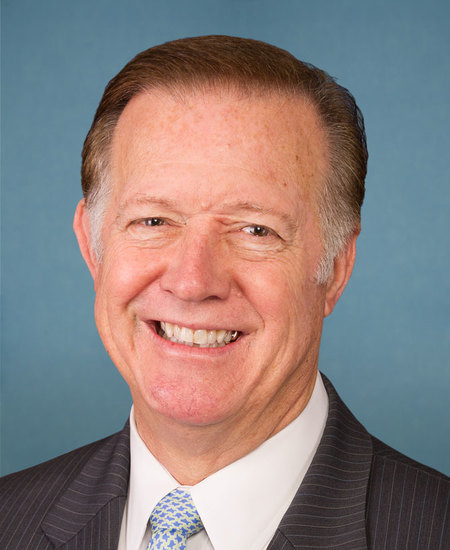
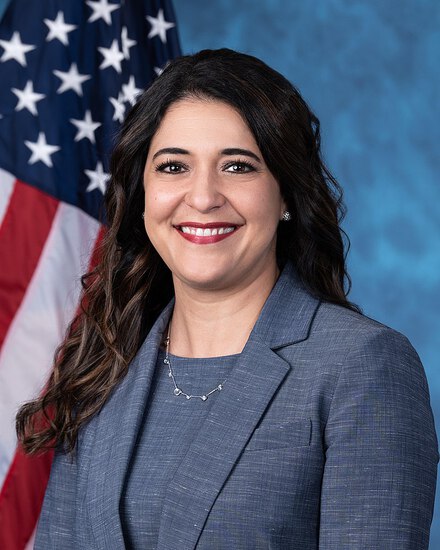
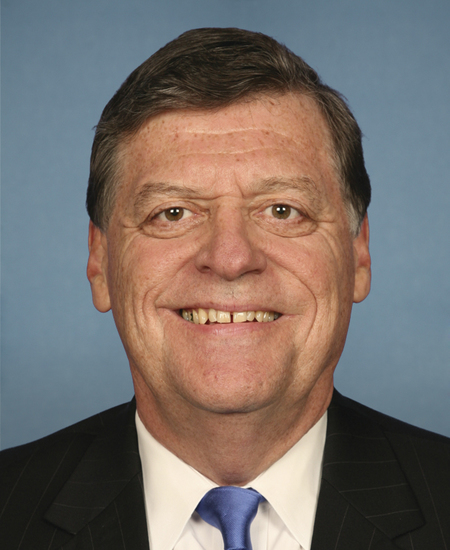
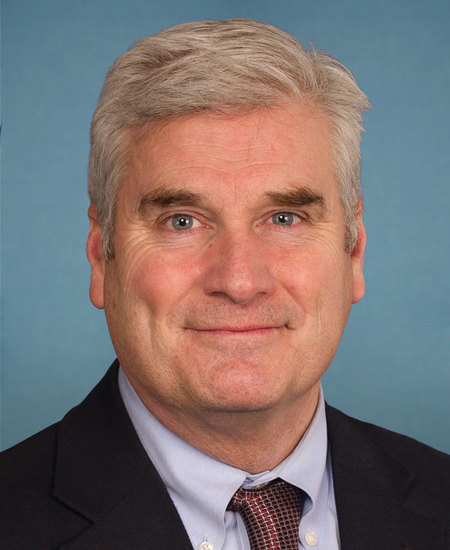
1 primary · 33 co-sponsors
Sponsors
Role
Legislator
Party
State
District
P
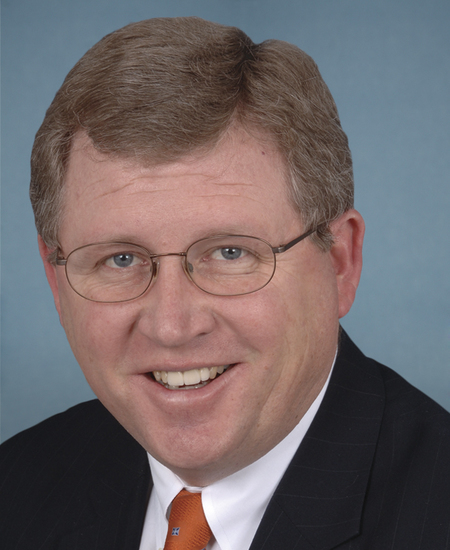
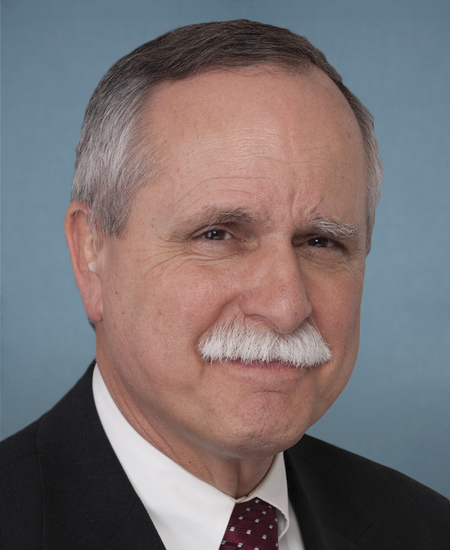
Frank D. Lucas
RRepublican
Co
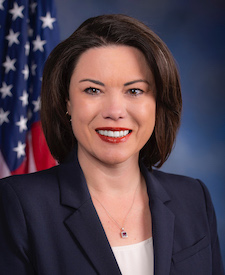
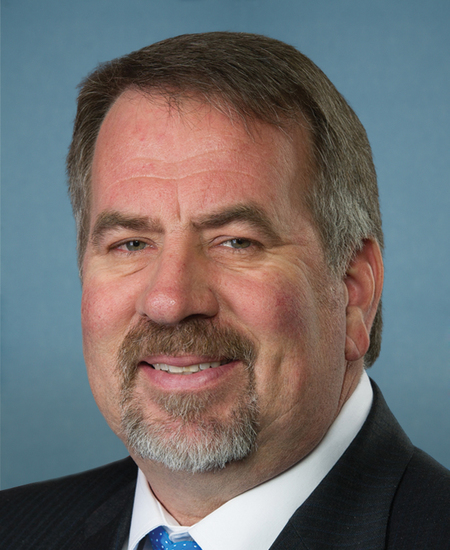
Angie Craig
DDemocratic
Co
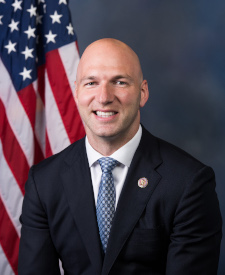
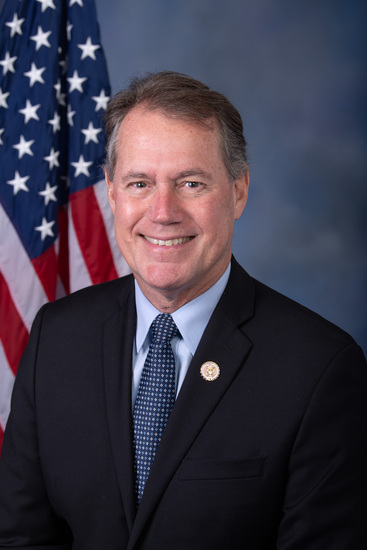
Anthony Gonzalez
RRepublican
Co

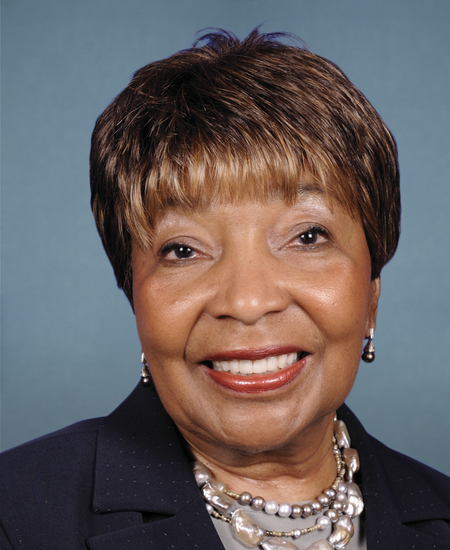
Antonio Delgado
DDemocratic
Co
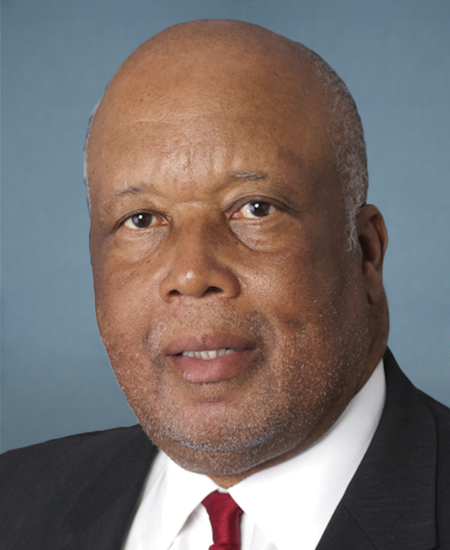
Bennie G. Thompson
DDemocratic
Co
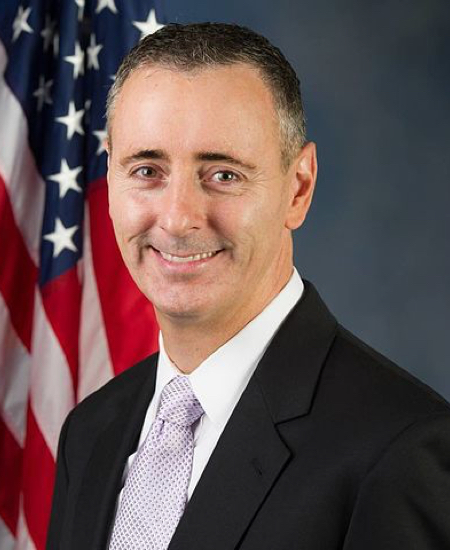
Brian K. Fitzpatrick
RRepublican
Co

Chrissy Houlahan
DDemocratic
Co

Conor Lamb
DDemocratic
Co
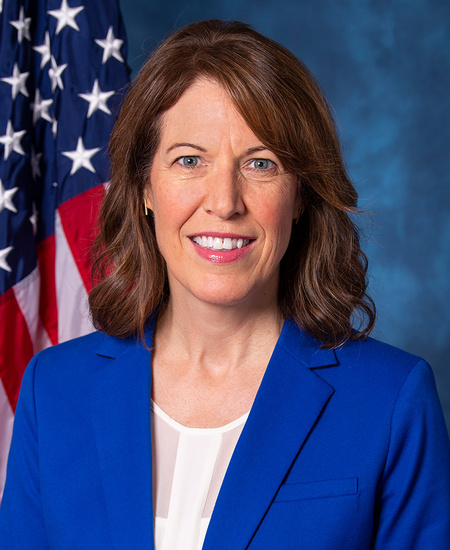
Cynthia Axne
DDemocratic
Co
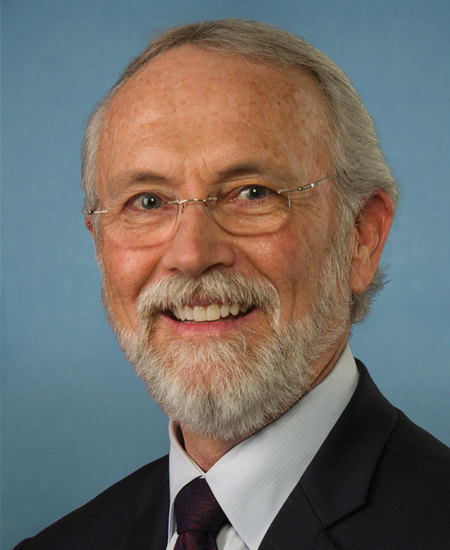
Dan Newhouse
RRepublican
Co
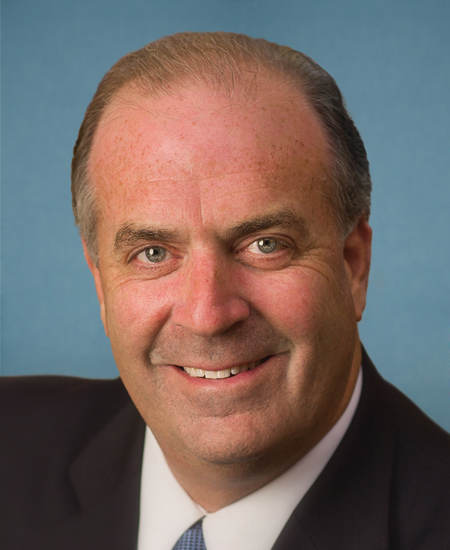
Daniel T. Kildee
DDemocratic







Ask Maddy
·
AI policy assistant
Ask Maddy about HR 210
Scope: US
Hi! I can help you understand HR 210. What would you like to know?
Try one of these
i
Maddy answers using official bill text and legislative records. Always verify before sharing.
Sources cited inline