

CLEAN Future Act
Summary
Climate Leadership and Environmental Action for our Nation’s Future Act or the CLEAN Future Act This bill creates requirements and incentives to reduce emissions of greenhouse gases. The bill establishes an interim goal to reduce greenhouse gas emissions to at least 50% below 2005 levels by 2030 as well as a national goal to achieve net-zero greenhouse gas emissions by 2050. Each federal agency must develop a plan to achieve the goals. Beginning in 2023, retail electricity suppliers must provide an increasing percentage of electricity that is generated without the release of greenhouse gases into the atmosphere (zero-emission electricity). By 2035, the suppliers must provide 100% zero-emission electricity or demonstrate alternative means of compliance. For example, the suppliers may buy credits under a trading program that allows entities to buy, sell, and trade credits to demonstrate compliance. The bill also establishes a variety of requirements, programs, and incentives to reduce or eliminate greenhouse gas emissions by modernizing the electric grid and supporting clean energy microgrids; increasing the use of renewable energy and advanced nuclear power technologies; increasing energy efficiency in buildings, homes, and appliances; supporting clean transportation, including electric vehicles and related charging infrastructure; issuing greenhouse gas standards for certain vehicles, engines, and aircraft; promoting manufacturing and industrial decarbonization, including through buy-clean programs; supporting environmental justice efforts; and reducing methane, plastics, and super pollutants.
Bill status
in committee
1 of 4 stages cleared
Introduction
Mar 2021
Committee Review
Floor Vote
President
Introduced Mar 2, 2021
Last action Jun 30, 2022
Floor votes
How they voted
No floor votes recorded yet.
Full legislative history
Actions timeline
Total actions
9
Key actions
1
Committee
8
Jun 30, 2022
Lower · Passed
Subcommittee Hearings Held.
lower
Mar 3, 2021
Committee
Referred to the Subcommittee on Environment and Climate Change.
lower
Mar 3, 2021
Committee
Referred to the Subcommittee on Water Resources and Environment.
lower
Mar 3, 2021
Committee
Referred to the Subcommittee on Railroads, Pipelines, and Hazardous Materials.
lower
Mar 3, 2021
Committee
Referred to the Subcommittee on Highways and Transit.
lower
Mar 3, 2021
Committee
Referred to the Subcommittee on Economic Development, Public Buildings, and Emergency Management.
lower
Mar 3, 2021
Committee
Referred to the Subcommittee on Aviation.
lower
Mar 2, 2021
Committee
Referred to the Committee on Energy and Commerce, and in addition to the Committees on Transportation and Infrastructure, Oversight and Reform, Education and Labor, Ways and Means, Natural Resources, Armed Services, Foreign Affairs, Science, Space, and Technology, Intelligence (Permanent Select), and Financial Services, for a period to be subsequently determined by the Speaker, in each case for consideration of such provisions as fall within the jurisdiction of the committee concerned.
lower
Mar 2, 2021
Introduced
Introduced in House
lower
1 primary · 21 co-sponsors
Sponsors
Role
Legislator
Party
State
District
P
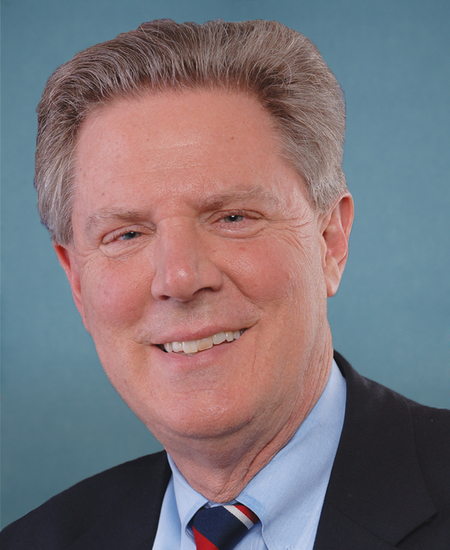
Frank Pallone, Jr.
DDemocratic
Co
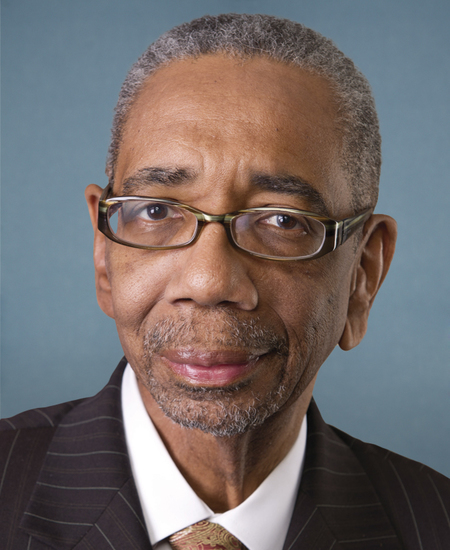
Bobby L. Rush
DDemocratic
Co
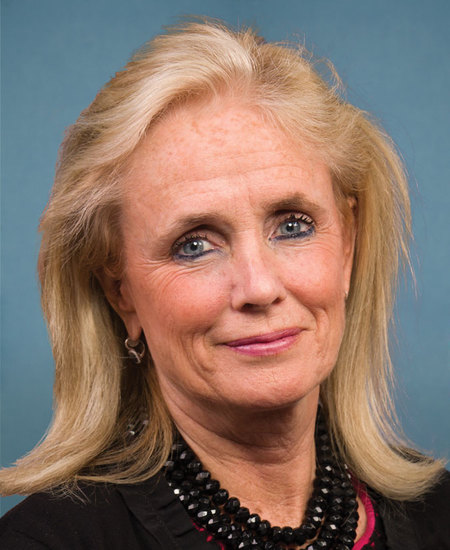
Debbie Dingell
DDemocratic
Co
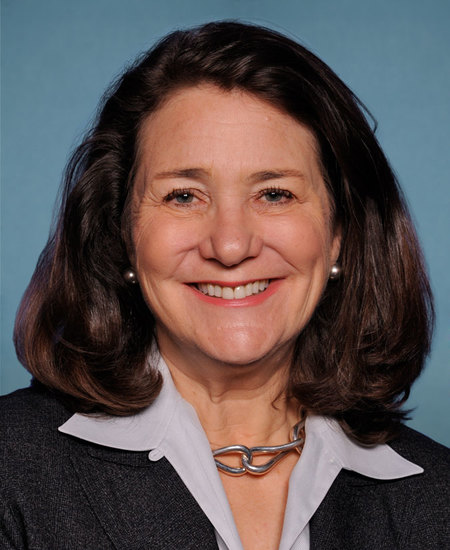
Diana DeGette
DDemocratic
Co

Doris O. Matsui
DDemocratic
Co
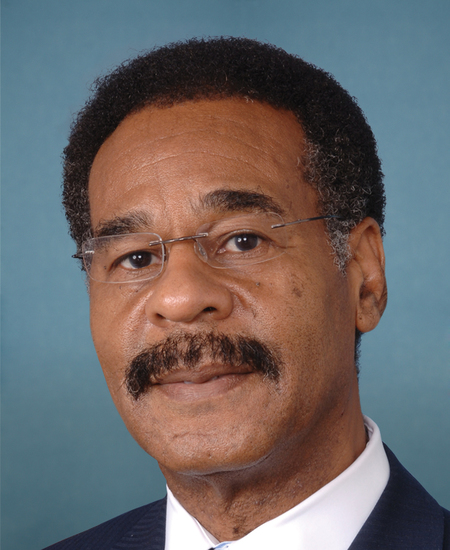
Emanuel Cleaver
DDemocratic
Co

Janice D. Schakowsky
DDemocratic
Co
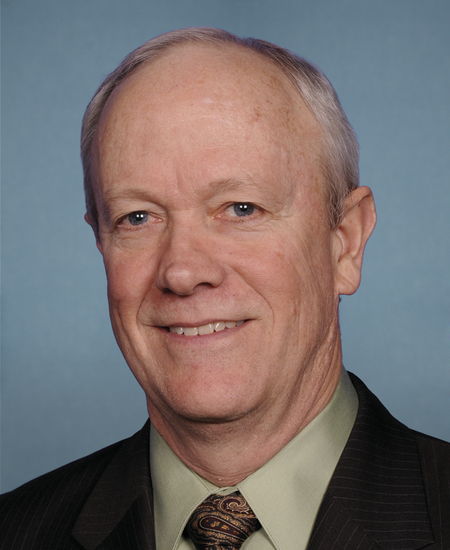
Jerry McNerney
DDemocratic
Co
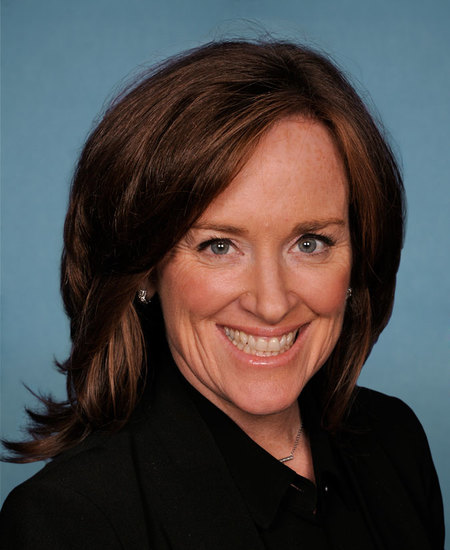
Kathleen M. Rice
DDemocratic
Co
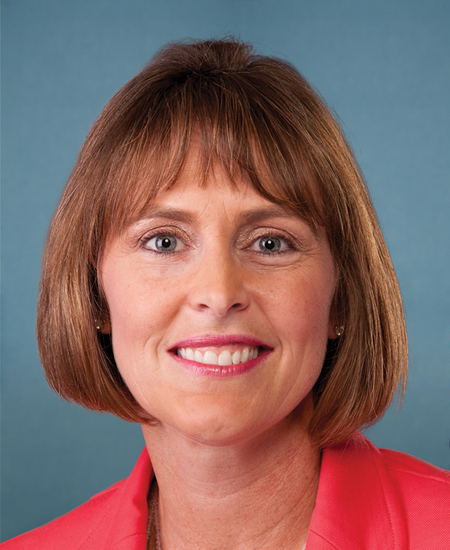
Kathy Castor
DDemocratic
Co
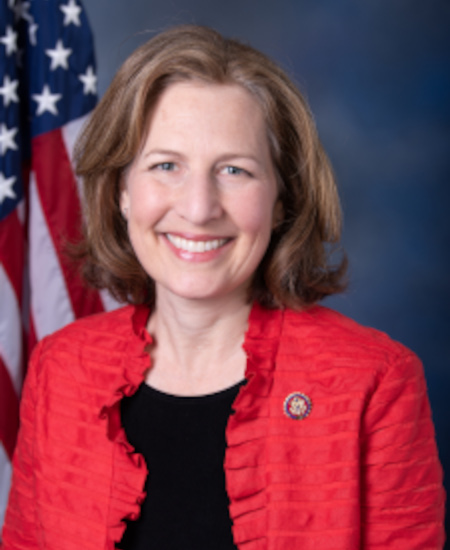
Kim Schrier
DDemocratic
Ask Maddy
·
AI policy assistant
Ask Maddy about HR 1512
Scope: US
Hi! I can help you understand HR 1512. What would you like to know?
Try one of these
i
Maddy answers using official bill text and legislative records. Always verify before sharing.
Sources cited inline