

Maddy summaryHB 1299 allows small lodging establishments (with 15 or fewer sleeping rooms) to apply for a permit to use biological filtration systems in their water recreational facilities, such as pools or spas. These systems filter water naturally using plants, beneficial bacteria, and microbes - without relying on continuous chemical disinfectants - to meet public health and safety standards. To obtain a permit, establishments must submit proof the system meets water quality requirements, pay a $50 fee, and undergo annual department inspections. If an inspection fails, the permit is revoked, and reapplication is barred for one year. The bill requires the department to establish rules for applications, maintenance, and testing procedures.
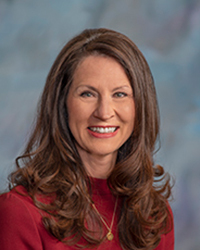
Sen. Helene Duhamel
Sponsored bills
Maddy summarySB 231 creates a Water Infrastructure Development Fund to support rural water projects in South Dakota. The fund, initially seeded with $3 million from the state general fund (Section 2), provides grants (up to 10% of project costs) and loans (up to 50% of project costs) managed by the Board of Water and Natural Resources (Section 1). It directly affects rural communities needing upgrades to water infrastructure, such as new systems or repairs. The bill declares an emergency to allow immediate implementation upon passage (Section 3).
Maddy summaryHB 1161 defines "female" and "male" based on biological reproductive systems and requires state-owned or leased facilities (like schools, government buildings, and public spaces) to designate multi-occupancy changing rooms, restrooms, and sleeping quarters for exclusive use by males or females. The bill specifies that exceptions apply for children under 10 with parents, individuals assisting those with disabilities, emergency personnel, and certain maintenance staff. It also clarifies that gender-specific designations do not apply to rooms used by firefighters, law enforcement, or performers in their professional capacity. The law directly affects public facilities operated by the state or its subdivisions.
Maddy summarySB 130 appropriates $8 million from South Dakota's general fund to the South Dakota Ellsworth Development Authority. The funds must cover public roadway and infrastructure improvements directly needed due to construction at Ellsworth Air Force Base, including road reconstruction, safety upgrades, and traffic studies. The authority must report annually on how funds were used and cannot spend more than 3% of the appropriation on administrative costs. This bill specifically affects infrastructure supporting Ellsworth Air Force Base operations and surrounding public roads.
Maddy summaryHB 1107 modifies South Dakota law (§ 43-25-18.3) to give courts greater flexibility when land restrictions for public purposes (like religious, educational, or charitable uses) become impractical due to changed conditions. The bill allows courts to either adjust land use restrictions to better serve the original purpose or authorize selling the land and reinvesting the proceeds in new land that matches the original purpose. This directly affects landholders (grantees) who hold property subject to restrictions set by grantors for public purposes. The key change is enabling courts to adapt land management without requiring strict adherence to outdated conditions. The bill does not create new requirements but adjusts judicial authority under existing land-use laws.
Maddy summarySB 36 requires electric utilities and wholesale electricity generators in South Dakota to develop and submit wildfire mitigation plans to either the Public Utilities Commission or their local governing body (like a city council). These plans must include specific strategies for risk assessment, infrastructure inspections, vegetation management, and community outreach to reduce wildfire risks. Utilities must also submit annual compliance reports by April 1st each year, with filing fees of $500 for initial plans and $250 for reports. The bill establishes a standardized process for these plans and reports but does not specify liability protections beyond the plan requirements.
Maddy summaryHB 1062 is a technical amendment to South Dakota's aggravated assault statute (§ 22-18-1.1). It renumbers existing subsections and removes references to provisions previously deleted by law (specifically removing references to subsections (3), (6), and (7) as deleted by prior legislation). The bill does not change the actual legal definition or penalties for aggravated assault, which remains a Class 3 felony for causing serious injury under specified circumstances. This is purely a procedural update to correct the statutory numbering and eliminate outdated references in the law.
Maddy summaryHB 1126 revises South Dakota's penalties for repeat driving under the influence (DUI) offenses. It targets individuals with five or more prior DUI convictions within 15 years (down from 25 years), requiring a mandatory minimum six-year prison sentence for a sixth or subsequent offense, with at least one year on parole. The bill mandates specific monitoring tools like ignition interlocks or alcohol bracelets during supervision and extends driver's license revocation periods, with limited exceptions for employment or medical needs after completing treatment. These changes apply directly to repeat DUI offenders meeting the revised conviction thresholds.
Maddy summaryThis bill is a legislative commemoration honoring the 2025-2026 Canton C-Hawk girls wrestling team for their athletic achievements. It officially recognizes the team's success, including winning the Region 2 tournament for the second consecutive year and having thirteen wrestlers qualify for the state tournament. The resolution specifically acknowledges individual accomplishments, noting that two wrestlers won state championships and all qualifiers won their placement round matches. The bill also credits the coaching staff for their leadership and support of the team.
Maddy summaryThis bill introduces a legislative commemoration honoring Barbara Dull Knife, a Lakota elder and community leader who served as a child welfare advocate and founded an emergency safe house for children on the Pine Ridge Reservation. The resolution formally recognizes her seventeen years of service with the United States Attorney's Office, her tribal council leadership, and her work preserving Lakota cultural traditions and teachings. By adopting this commemoration, the South Dakota Legislature acknowledges her contributions to child welfare, cultural preservation, and community service without altering any existing laws or policies.