

Maddy summaryHB 1299 allows small lodging establishments (with 15 or fewer sleeping rooms) to apply for a permit to use biological filtration systems in their water recreational facilities, such as pools or spas. These systems filter water naturally using plants, beneficial bacteria, and microbes - without relying on continuous chemical disinfectants - to meet public health and safety standards. To obtain a permit, establishments must submit proof the system meets water quality requirements, pay a $50 fee, and undergo annual department inspections. If an inspection fails, the permit is revoked, and reapplication is barred for one year. The bill requires the department to establish rules for applications, maintenance, and testing procedures.
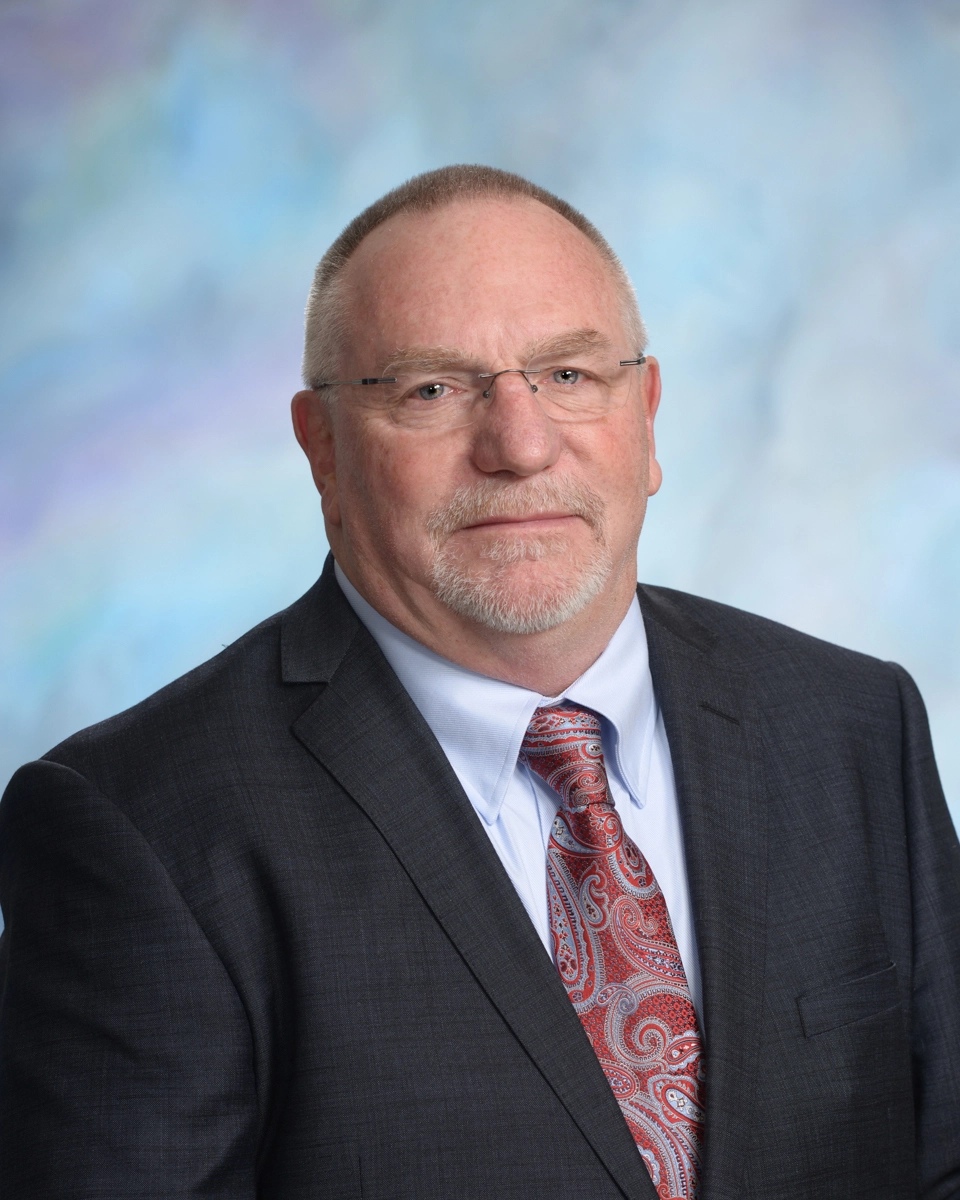
Sen. Randy Deibert
Sponsored bills
Maddy summaryHB 1298 prohibits publishing a judicial or law enforcement officer's home address, date of birth, or social security number online without their consent if done with the intent to cause fear for the officer's safety or their immediate family's safety. The law applies only to electronic publications and targets individuals who share such sensitive personal information under these specific conditions. Violating this prohibition is classified as a Class 6 felony. The bill directly protects officers by restricting the online dissemination of their personal details that could enable threats or harassment.
Maddy summarySB 231 creates a Water Infrastructure Development Fund to support rural water projects in South Dakota. The fund, initially seeded with $3 million from the state general fund (Section 2), provides grants (up to 10% of project costs) and loans (up to 50% of project costs) managed by the Board of Water and Natural Resources (Section 1). It directly affects rural communities needing upgrades to water infrastructure, such as new systems or repairs. The bill declares an emergency to allow immediate implementation upon passage (Section 3).
Maddy summaryHB 1089 modifies how South Dakota distributes severance tax revenue from precious metals mining. It changes the rules for permits issued on or after July 1, 2026: 80% of the tax revenue goes to the state general fund, while 20% is sent to the county where mining occurs. Unlike previous rules, this 20% county share cannot be reduced if a mining company is acquired. The bill also maintains that revenue from mining on state-owned land must go to the common school permanent fund. This directly affects new mining permit holders after 2026 and the counties where they operate.
Maddy summarySB 102 modifies how South Dakota distributes gaming revenues after the City of Deadwood receives $6.8 million annually from the Gaming Commission fund. It shifts the allocation over time: starting in 2026, 70% of remaining funds go to the state general fund (reducing to 20% by 2029), while 10% each goes to Lawrence County municipalities (excluding Deadwood) based on population, school districts in Lawrence County based on student enrollment, and Deadwood itself for historic preservation. Deadwood’s share increases from 10% in 2026 to 60% by 2029. The bill directly affects state budgets, Lawrence County communities, local schools, and Deadwood’s historic preservation efforts.
Maddy summaryHB 1066 revises South Dakota's theft statute to clarify that contractors, subcontractors, or suppliers do not commit theft by withholding payment proceeds until work is completed and approved. The bill amends Section 44-9-13 to explicitly state that holding funds pending final work approval is not a violation of the theft law. This directly affects construction industry professionals who handle project payments and must pay for labor or materials before using funds. The key change removes ambiguity about when withholding payment constitutes theft, specifically excluding legitimate holds for completed work. The amendment maintains existing penalties for actual theft but clarifies the legal boundary for payment management.
Maddy summarySB 132 amends South Dakota law (§ 1-46A-5) to clarify the composition and consultation process of the South Dakota Veterans Council. The bill specifies that the Council must include one representative each from eight designated veterans organizations, such as the American Legion, Disabled American Veterans, and Veterans of Foreign Wars, plus a representative from Vietnam Veterans of America chapters 1054 and 959. It requires the Department of Veterans Affairs to consult with the Council quarterly on veteran-related matters and mandates the Council provide recommendations on budgets, legislation, policies, and programs affecting veterans and their dependents. This bill directly affects the Council's membership structure and its formal role in advising state veterans' affairs.
Maddy summarySB 204 revises loan criteria for the South Dakota Housing Infrastructure Fund. It changes the fund's distribution to allocate 50% of monies to housing infrastructure in municipalities with populations over 50,000 (previously 30%) and 50% to other areas (previously 70%). The bill also increases the maximum loan amount from one-third to one-half of a housing infrastructure project's total cost and allows up to 1% of the loan principal to cover administrative expenses. This directly affects municipalities, housing developers, and projects seeking infrastructure loans under the fund.
Maddy summaryHB 1311 requires South Dakota's Board of Technical Education and Board of Regents to annually report funding received from specified foreign sources to public institutions they oversee. The bill defines "foreign sources" as governments or entities from China, Cuba, Iran, North Korea, Russia, or Venezuela, or foreign-owned organizations over 10% controlled by them. Institutions must disclose the amount, source, purpose, and documentation of such funding (excluding tuition payments) in a public annual report due by August 31 each year. This transparency measure applies only to funding received on or after July 1, 2026, and does not affect existing confidential information.
Maddy summarySB 240 appropriates $5 million from South Dakota's general fund to create a rural access infrastructure fund, directly affecting all counties by providing funding for infrastructure improvements on township and county secondary roads. Funds are distributed to counties based on their proportion of small structures (like bridges or culverts) on these roads relative to the statewide total, calculated using data reported to the Department of Transportation. The bill requires the Department of Revenue to distribute no more than one-third of the funds annually across fiscal years 2026-2028, with unspent funds reverting by June 2031. It declares an emergency to expedite implementation, focusing solely on the concrete funding mechanism and distribution rules without advocating for outcomes.